
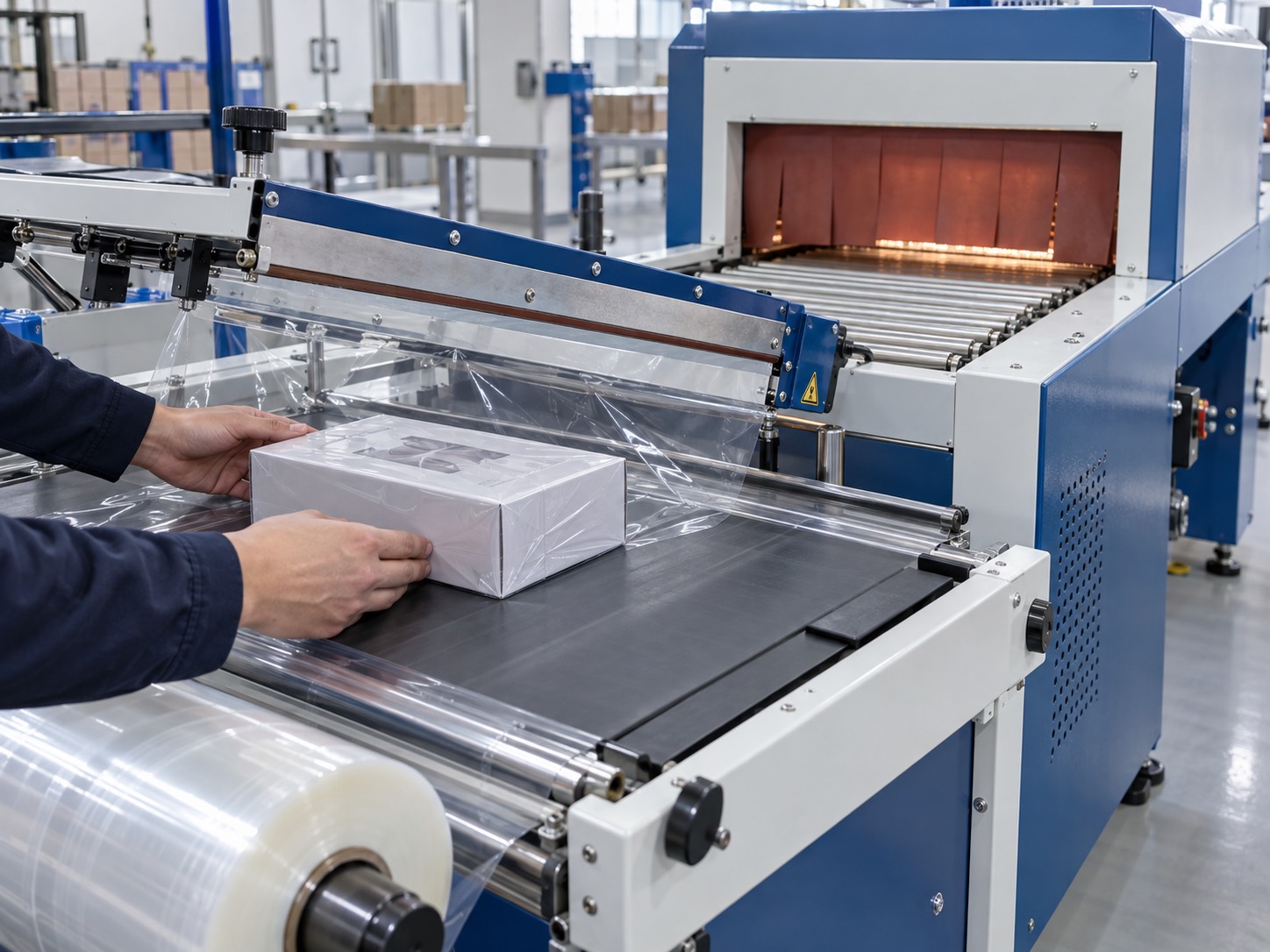
This article focuses on food and beverage cases. Check product-specific limits against current supplier documentation and a representative route trial.
Key risk in frozen-food cases
Primary concern: wet or weakened corrugated board and blocked airflow can compromise handling. Identify the relevant product surfaces, contact points and route conditions before choosing outer protection.
Pack and application choices
Recommended approach: select cartons for the specified cold and damp conditions, and keep pallet wrapping from obscuring required ventilation or labels. Keep the closure method and any product-level protection aligned with the actual carton, equipment and handling process.
Checks before dispatch
Practical check: review temperature records, case compression, leakage and pallet stability along the cold-chain route. Record the pack configuration and inspect the shipment at dispatch and receipt before changing an approved method.
Request a technical assessment
For “Frozen Food Shipping and Pallet Stability,” share the product and carton dimensions, application method and transport route so the packaging steps can be reviewed against the actual workflow.
Frequently asked questions
Should pallet wrap cover every side of frozen-food cases?
Follow the product and cold-chain requirements; do not block designed airflow or required labels.
Which checks matter most before approving the pack?
For frozen food shipping and pallet stability, record the chosen materials, pack dimensions, route and handling conditions. Inspect the package at dispatch and receipt, then compare the results with the agreed acceptance criteria.