
7 min read · New guide
Packaging and Load Restraint for Marble and Natural Stone Slab Transport
Plan surface protection, purpose-built transport racks and vehicle load restraint as separate controls for natural stone slabs.
Read the guide →Packaging solutions, technical information, application guides and sustainable production content in one place.
Technical guidance for packaging buyers, manufacturers and logistics teams.
7 min read · New guide
Plan surface protection, purpose-built transport racks and vehicle load restraint as separate controls for natural stone slabs.
Read the guide →
6 min read · New packaging guide
Plan carton layouts, outer packaging, lot labels and pallet dispatch for tea tins as one coordinated process.
Read the guide →
6 min read · New practical guide
Manage reel orientation, flange protection, equipment contact and load restraint as separate checks.
Read the guide →
6 min read · New practical guide
Coordinate collection order, box weight, void support and delivery records.
Read the guide →
6 min read · New practical guide
Match lock and installation parts to door number, variant, quantity and installation crew.
Read the guide →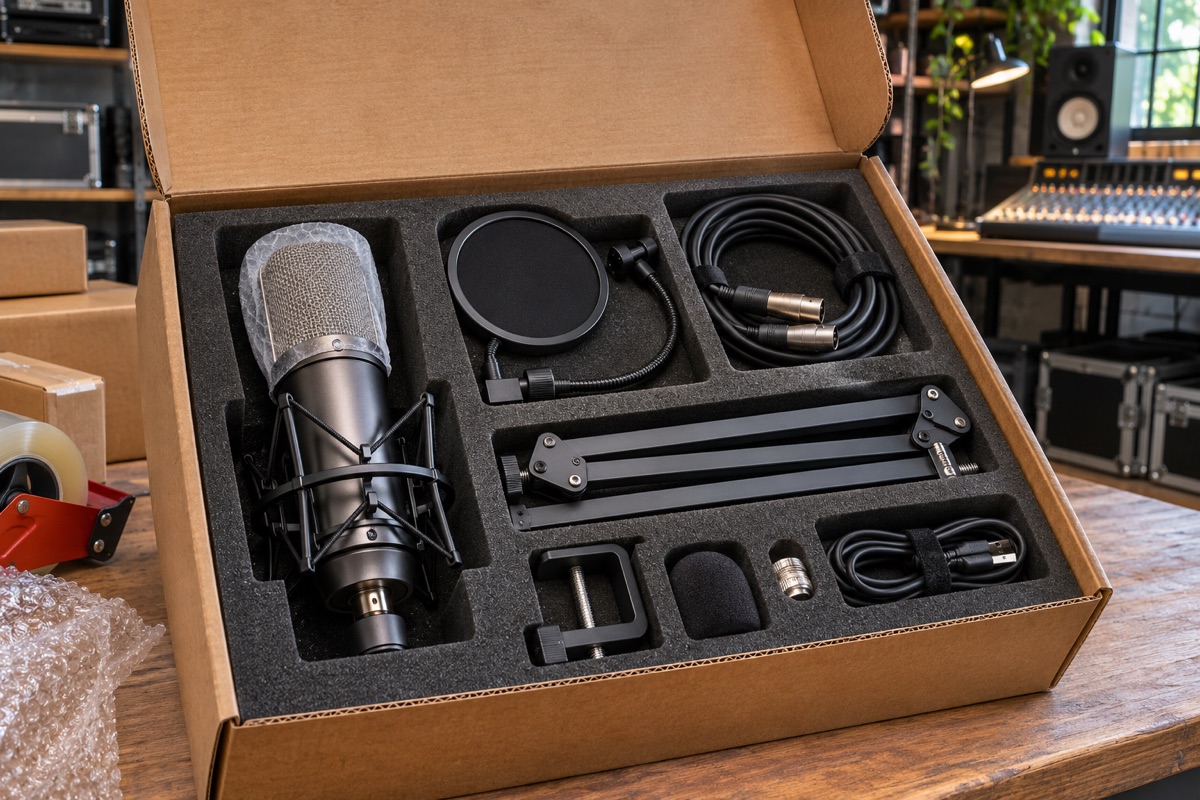
6 min read · New practical guide
Arrange capsules, grilles, accessories and cables in separate pockets linked to the model.
Read the guide →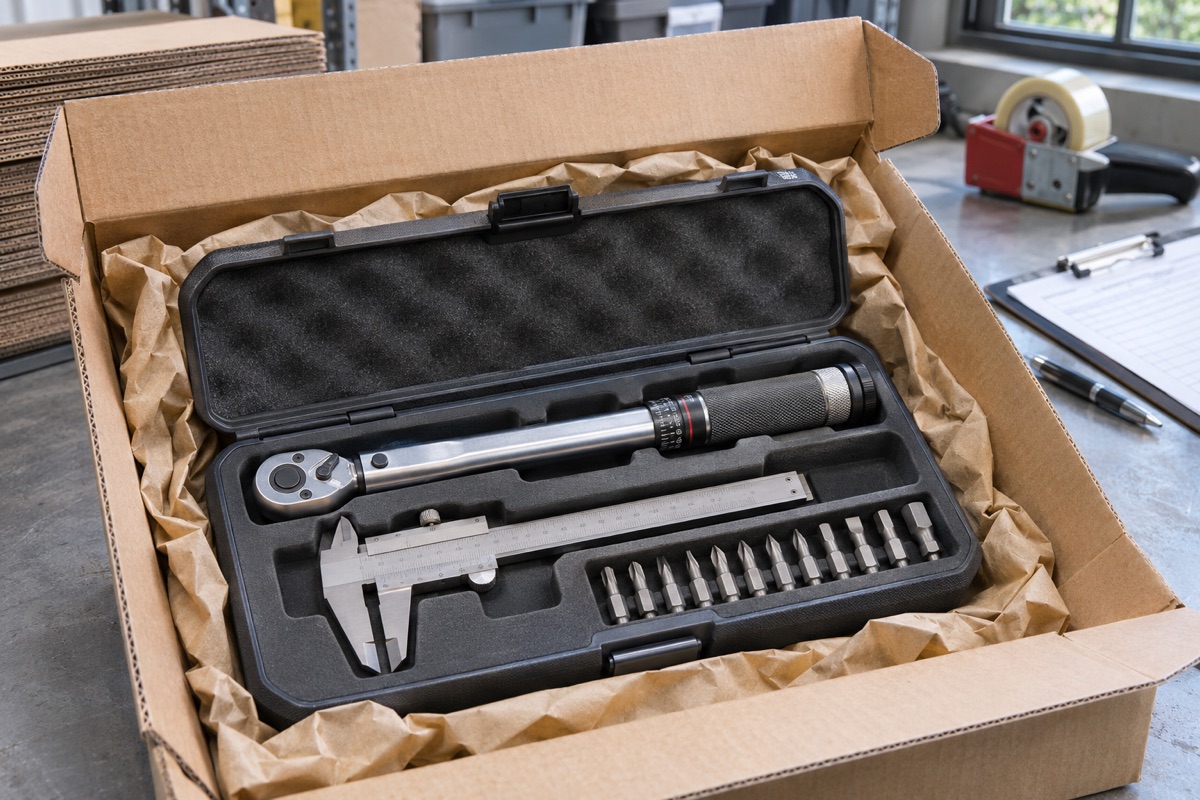
6 min read · New practical guide
Pack each measuring tool, accessory and document set against its serial number.
Read the guide →
6 min read · New practical guide
Manage product temperature, presentation boxes, movement inside cases and pallet loads as separate controls.
Read the guide →
6 min read · New practical guide
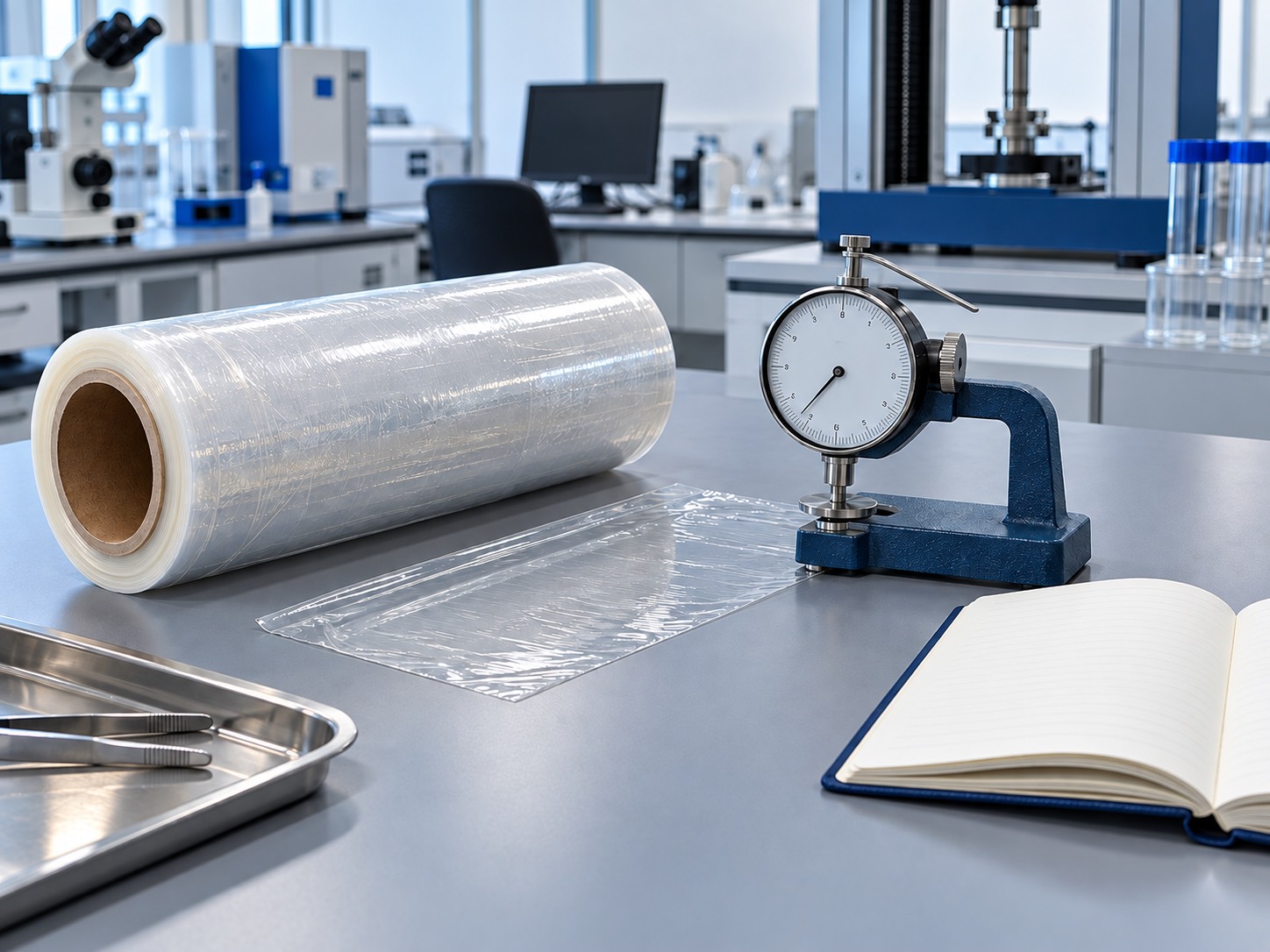
Keep analyzer kits, consumables and specimen transport requirements distinct.
Read the guide →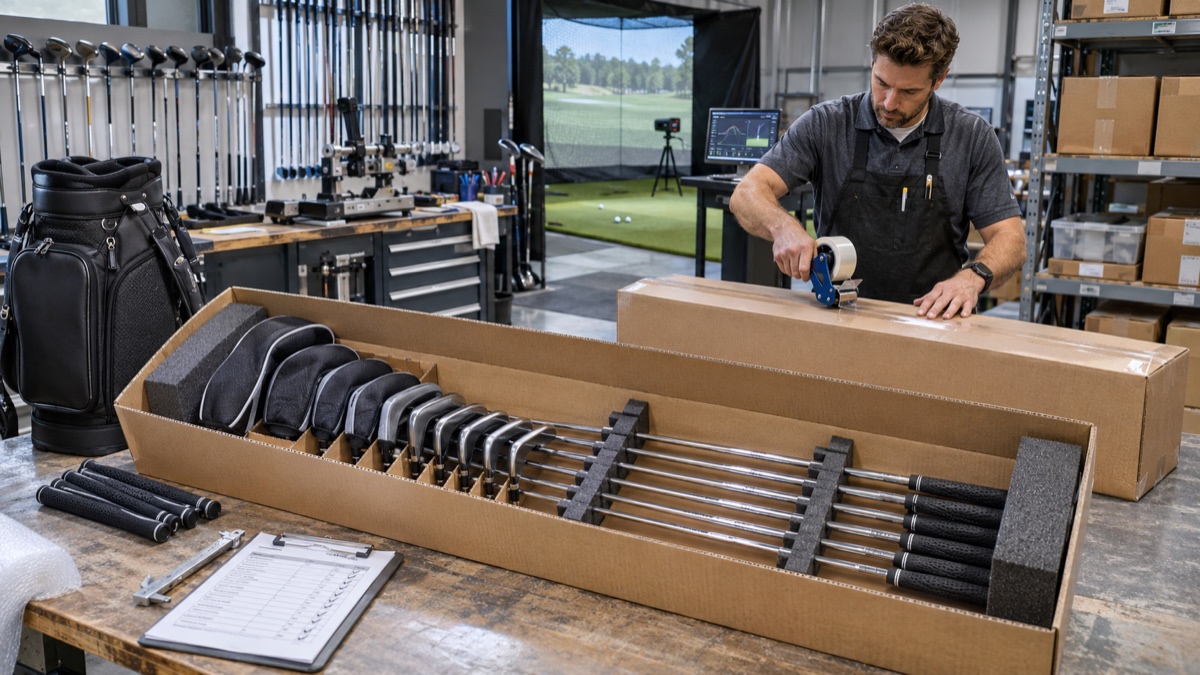
6 min read · New practical guide
Reduce rubbing and movement risks for long shafts, club heads and bag sets.
Read the guide →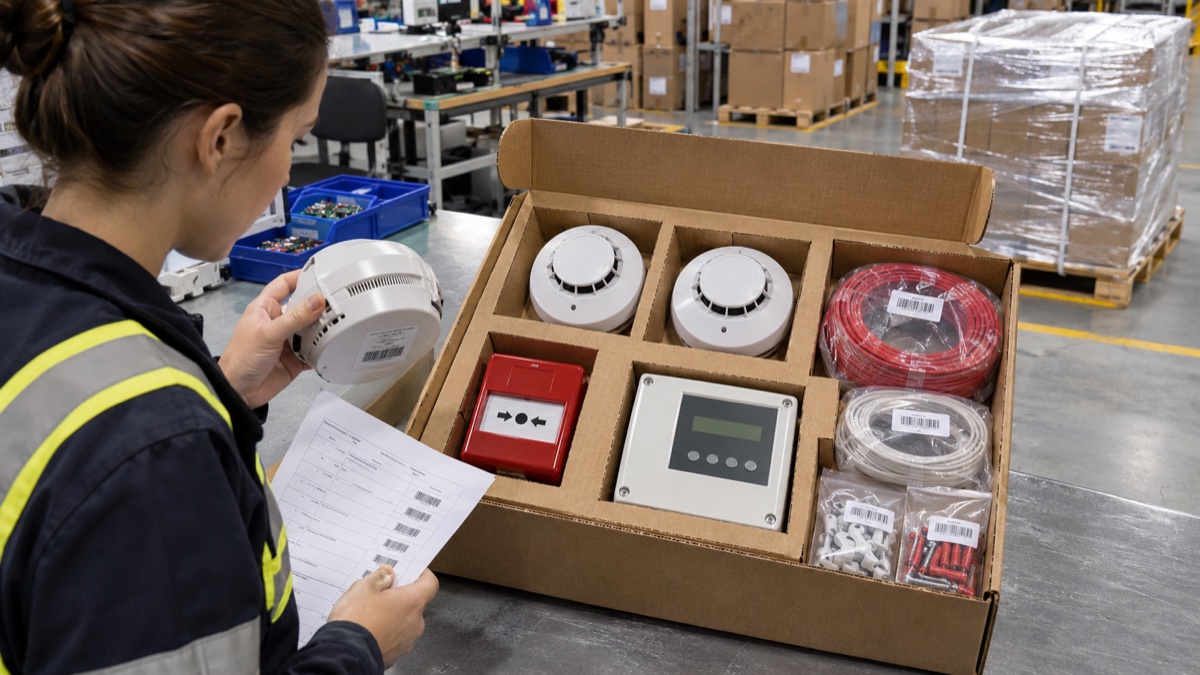
6 min read · New practical guide
Separate device, installation accessories and documents by SKU to reduce missing-part errors.
Read the guide →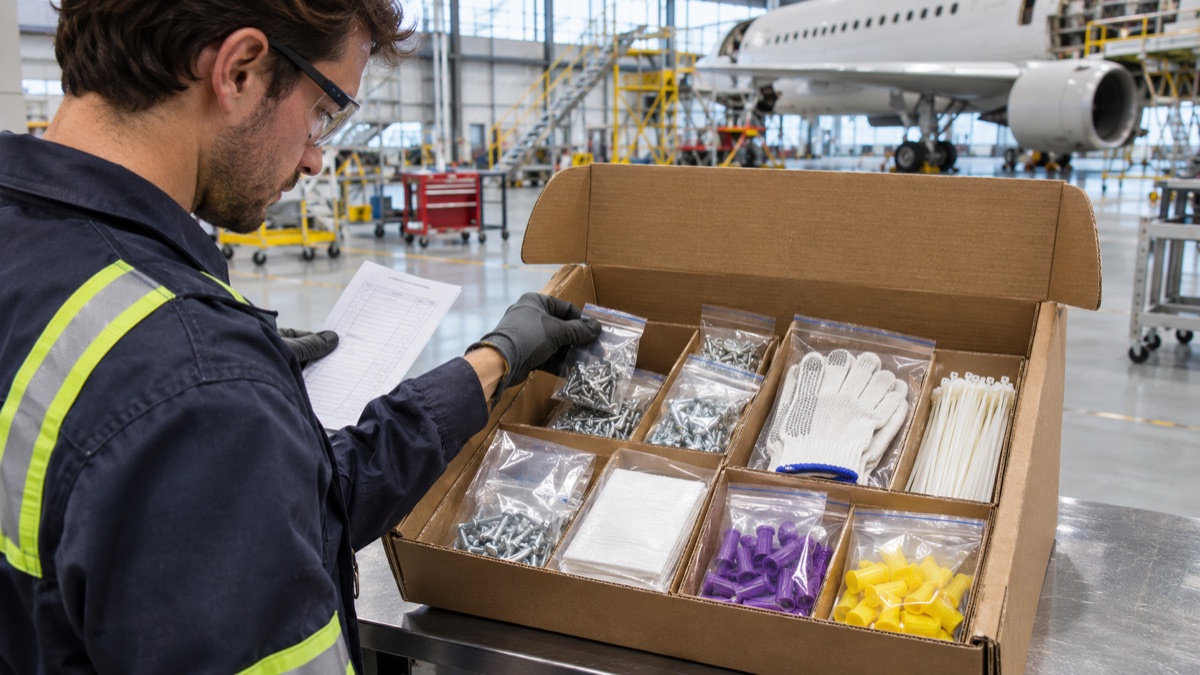
6 min read · New practical guide
Bring correct parts, quantities and readable logistics labels into one kit-check workflow.
Read the guide →
6 min read · New practical guide
Coordinate valve packs, case layout, batch tracking and pallet dispatch in one practical workflow.
Read the guide →
6 min read · New practical guide
Link edition and language variants, component counts, carton closure and pallet identification.
Read the guide →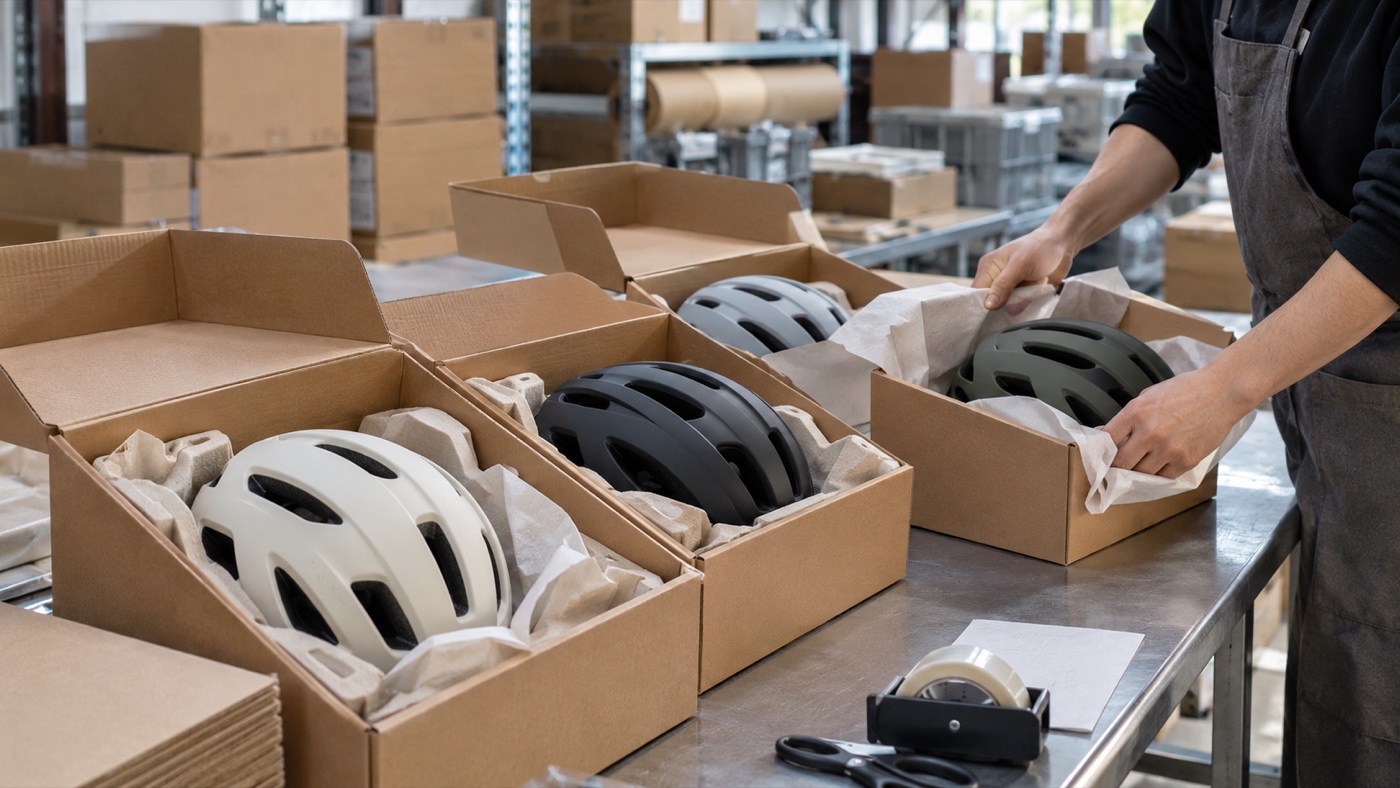
6 min read · New practical guide
Keep size, model, accessories and shipping identification aligned at each packaging stage.
Read the guide →
6 min read · New practical guide
Restrain the cable in a suitable coil; separate connectors, the control unit and accessories.
Read the guide →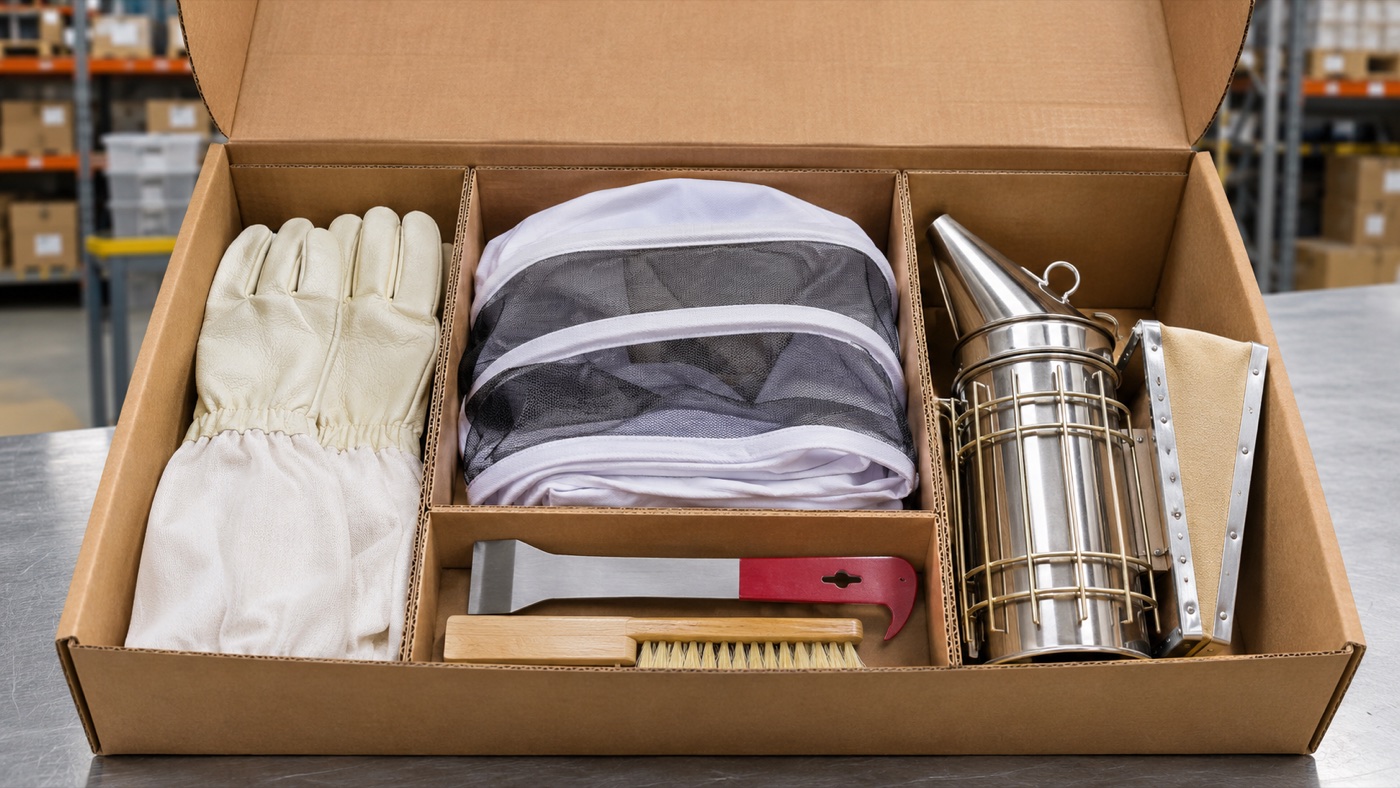
6 min read · New practical guide
Separate protective textiles from metal tools and match the kit list to the carton label and order.
Read the guide →
6 min read · New practical guide
Coordinate carton vents, precooling and pallet wrap so one step does not compromise another.
Read the guide →
6 min read · New practical guide
Restrain pots, avoid crushing foliage and select outer covers with ventilation in mind.
Read the guide →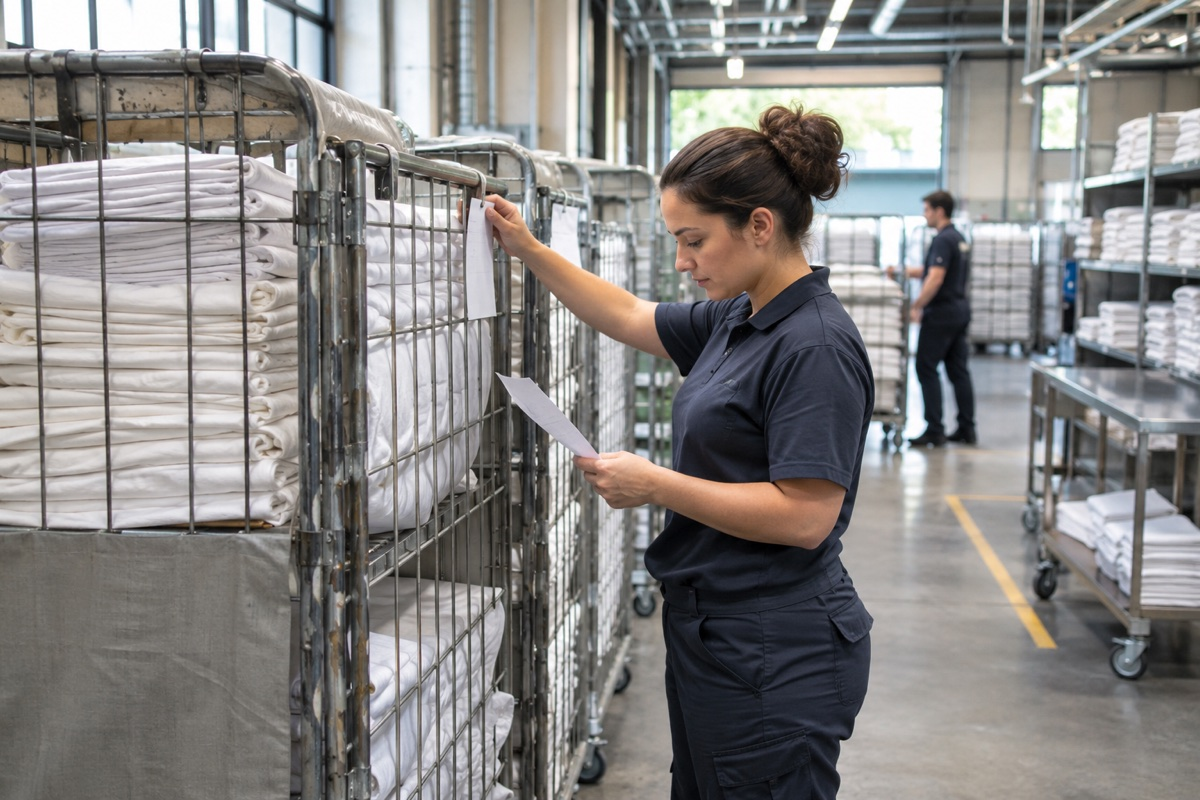
6 min read · New practical guide
Separate clean and used flows; match package, carrier and delivery labels.
Read the guide →
6 min read · New practical guide
Support PPE kit accuracy with model and size checks, dividers, a contents list and outer labels.
Read the guide →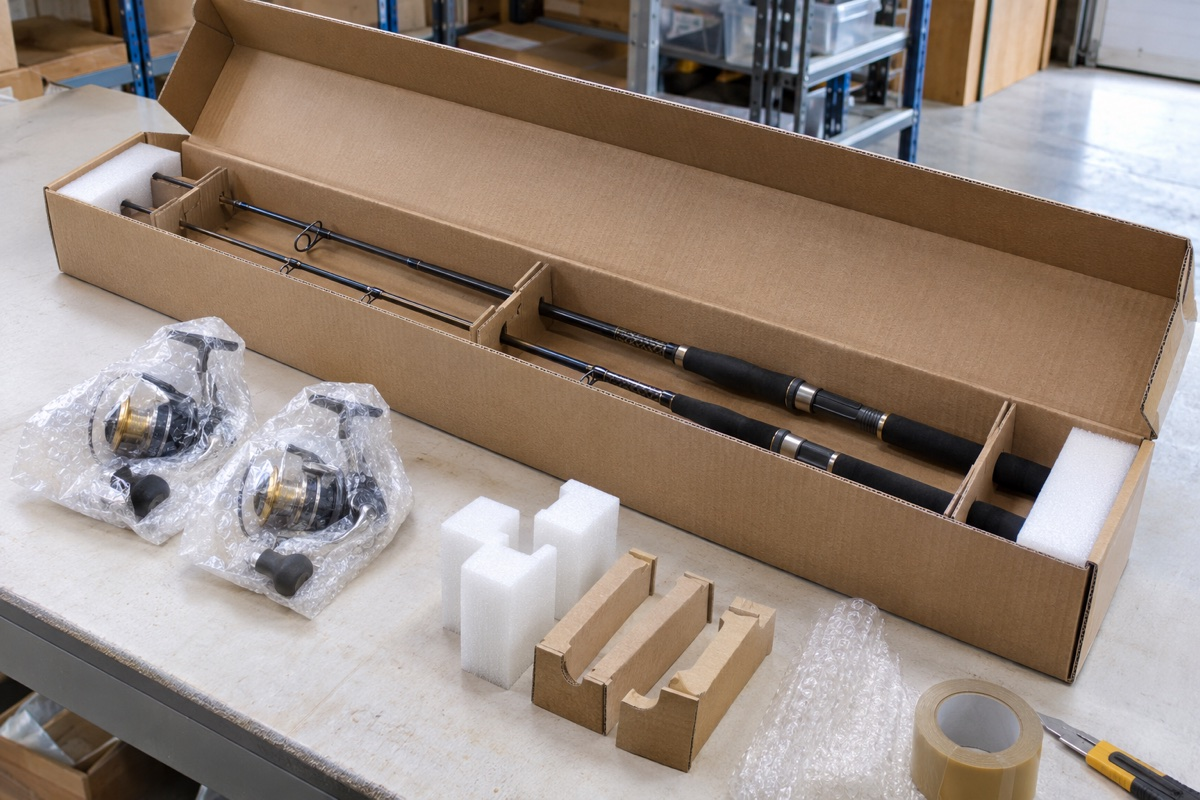
6 min read · New practical guide
Protect the tips, limit movement and test carton-tape adhesion along the closure seam.
Read the guide →
6 min read · New practical guide
Label exhibit components by installation sequence and use the same inventory plan for outbound and return freight.
Read the guide →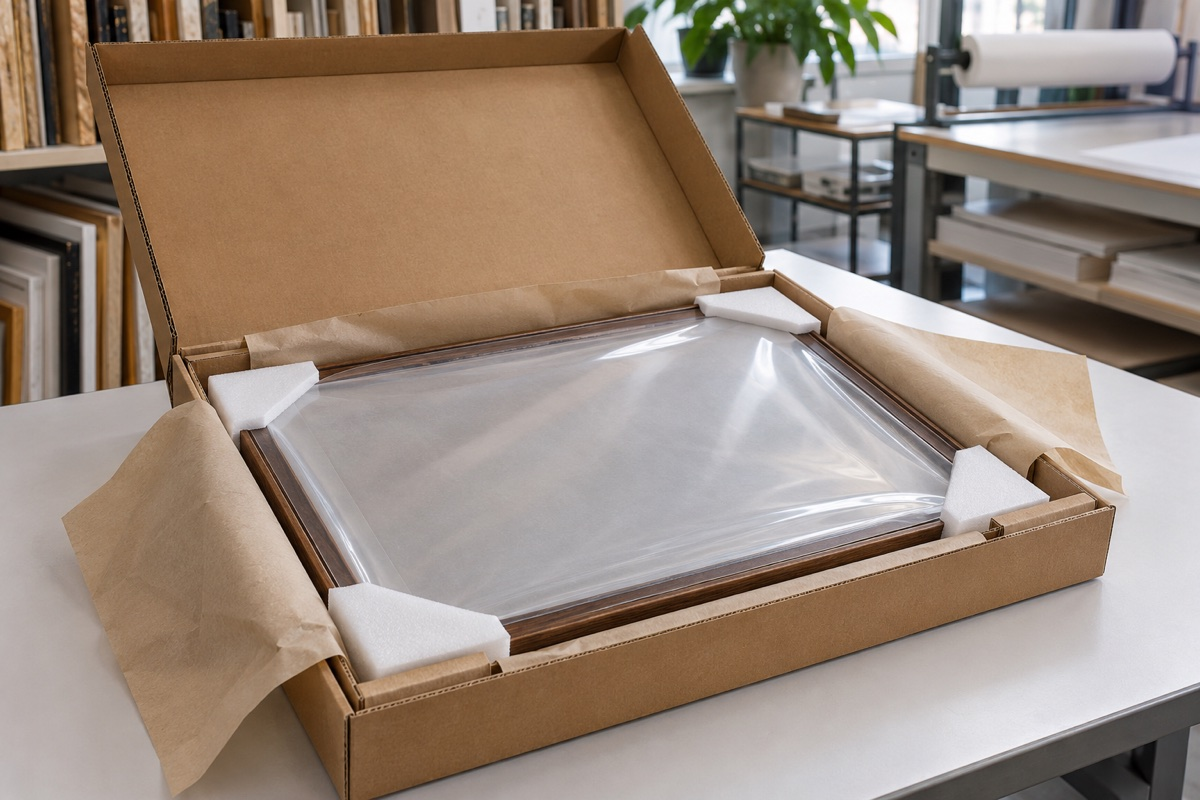
6 min read · New practical guide
Treat frame corners, the front face and internal movement as separate packaging risks.
Read the guide →
6 min read · New practical guide
Support the saddle shape and keep metal fittings away from leather and from one another.
Read the guide →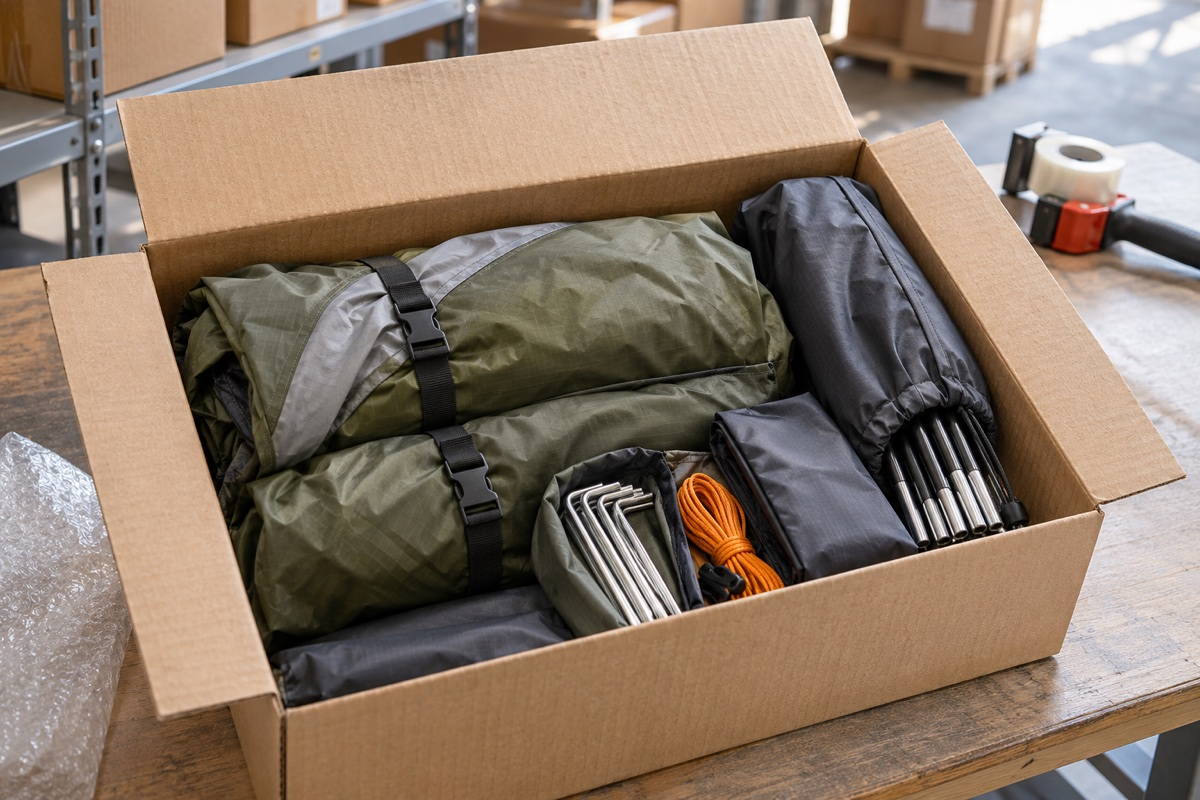
6 min read · New practical guide
Restrain long poles, pointed pegs and textile components in separate cells.
Read the guide →
6 min read · New practical guide
Prevent lens contact and match each model, colour and accessory to the correct carton and barcode.
Read the guide →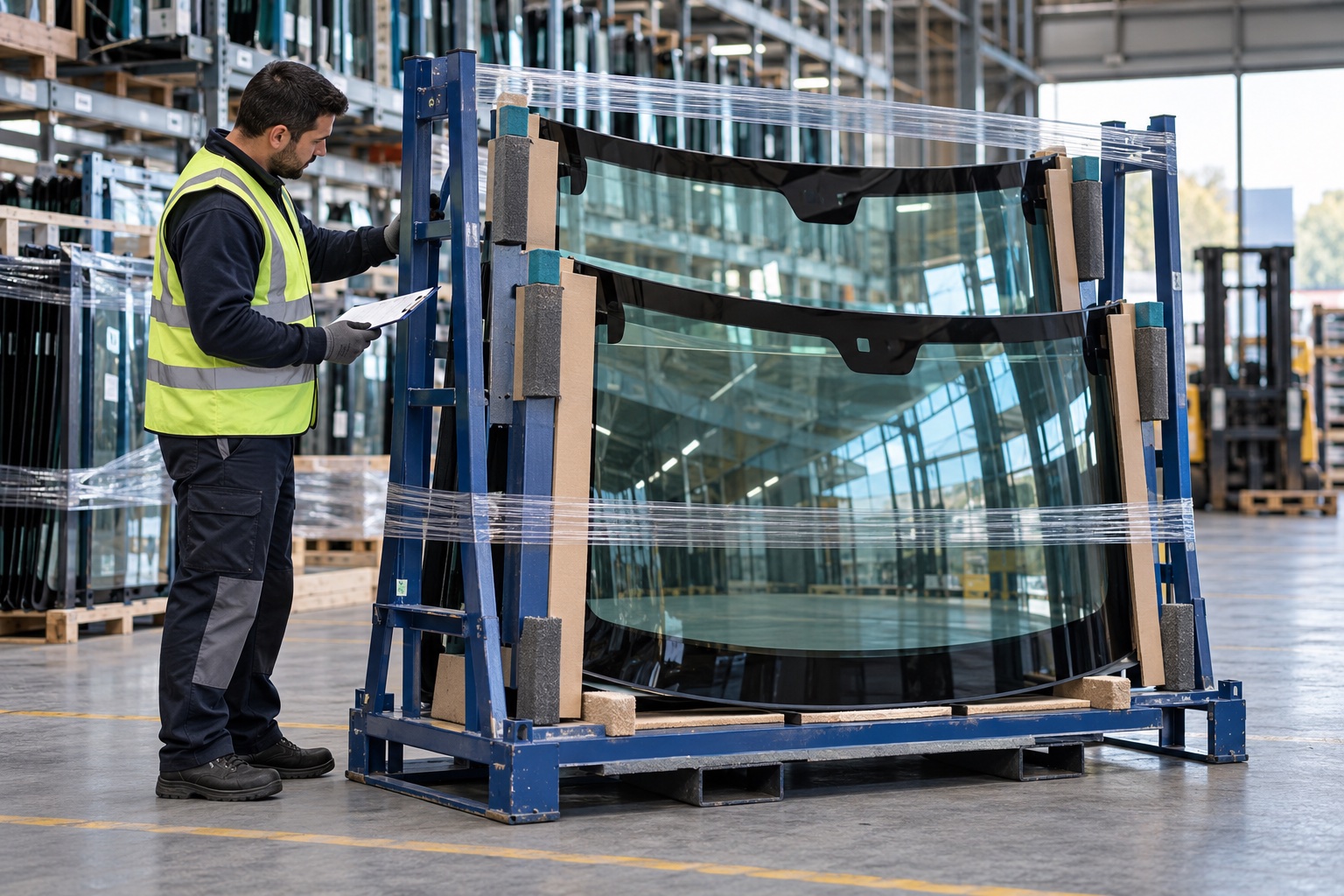
7 min read · New guide
Rack selection, contact protection, pallet restraint and shipping checks for automotive windshields.
Read the guide →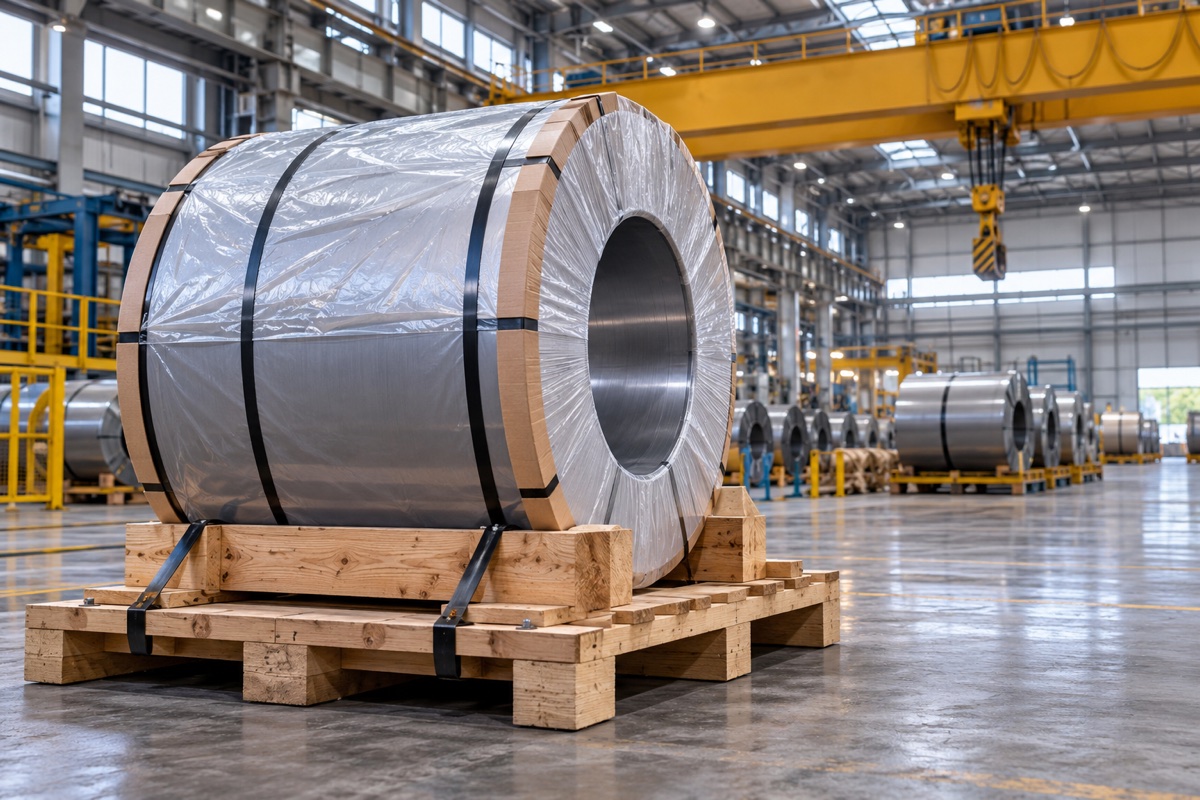
6 min read · New industry guide
A practical guide to coil supports, contact points, palletisation and pre-shipment checks for steel coils.
Read guide →
6 min read · New industry guide
Plan orientation, edge support, carton integrity and pallet checks for photovoltaic modules.
Read guide →
6 min read · New industry guide
A guide to lid inspection, carton layout, pallet balance and dispatch checks for paint and coating pails.
Read guide →
6 min read · New industry guide
Review corner protection, connection points, carton sizing and pallet checks for outdoor air-conditioning units.
Read guide →
6 min read · New industry guide
A practical guide to contact prevention, formed supports, carton strength and pallet layout for ceramic sanitaryware.
Read guide →
6 min read · New industry guide
Plan carton sorting, labelling, palletisation and short-term protection in a cross-dock transfer area.
Read guide →
6 min read · New industry guide
Assess weight distribution, carton strength, pallet patterns and wrap checks for canned-food cases.
Read guide →
6 min read · New industry guide
Plan compartmental packaging, label matching and pallet transport for inverters, cables and mounting accessories.
Read guide →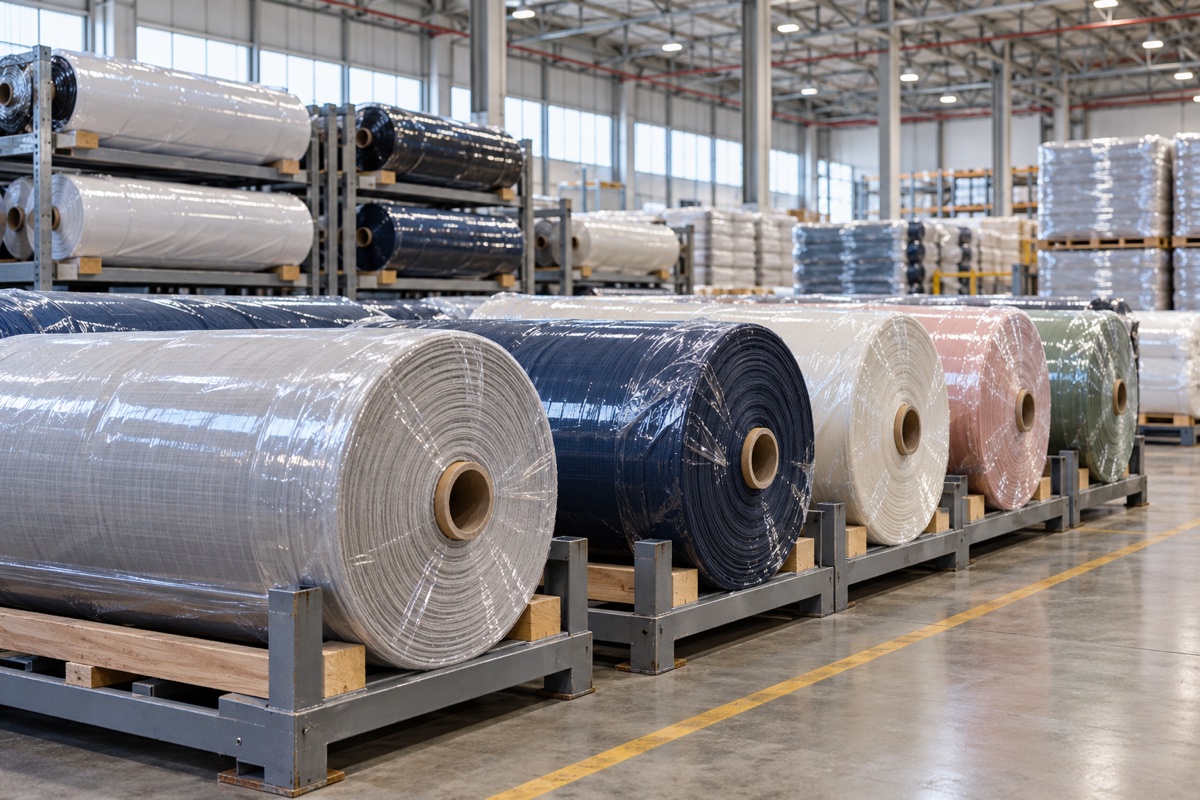
6 min read · New industry guide
A practical guide to surface cleanliness, edge protection, roll supports, labels and pallet movement for textiles.
Read guide →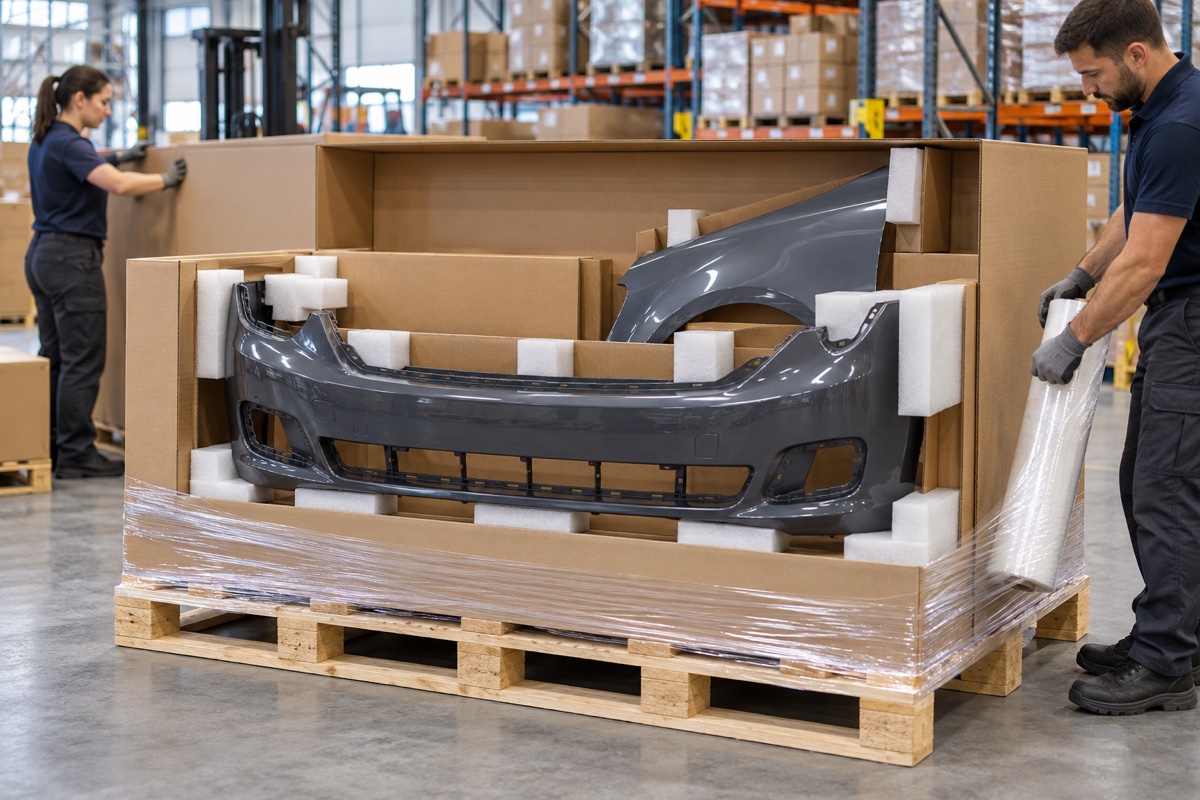
6 min read · New industry guide
Manage surface protection, separators, carrier geometry and pallet-shipping risks for bulky automotive body parts.
Read guide →
New industry guide
Plan packaging steps to reduce scratches, abrasion, end impacts and pallet movement for aluminium profiles.
Read guide →
New industry guide
Plan dust and abrasion protection, size sorting, carton layout and delivery checks for garment-on-hanger shipments.
Read guide →
New industry guide
Review coil arrangement, internal separation and distribution checks for irrigation tubing and small accessory kits.
Read guide →
New industry guide
Review flange protection, pallet fit, movement control and shipping label checks for electrical cable drums.
Read guide →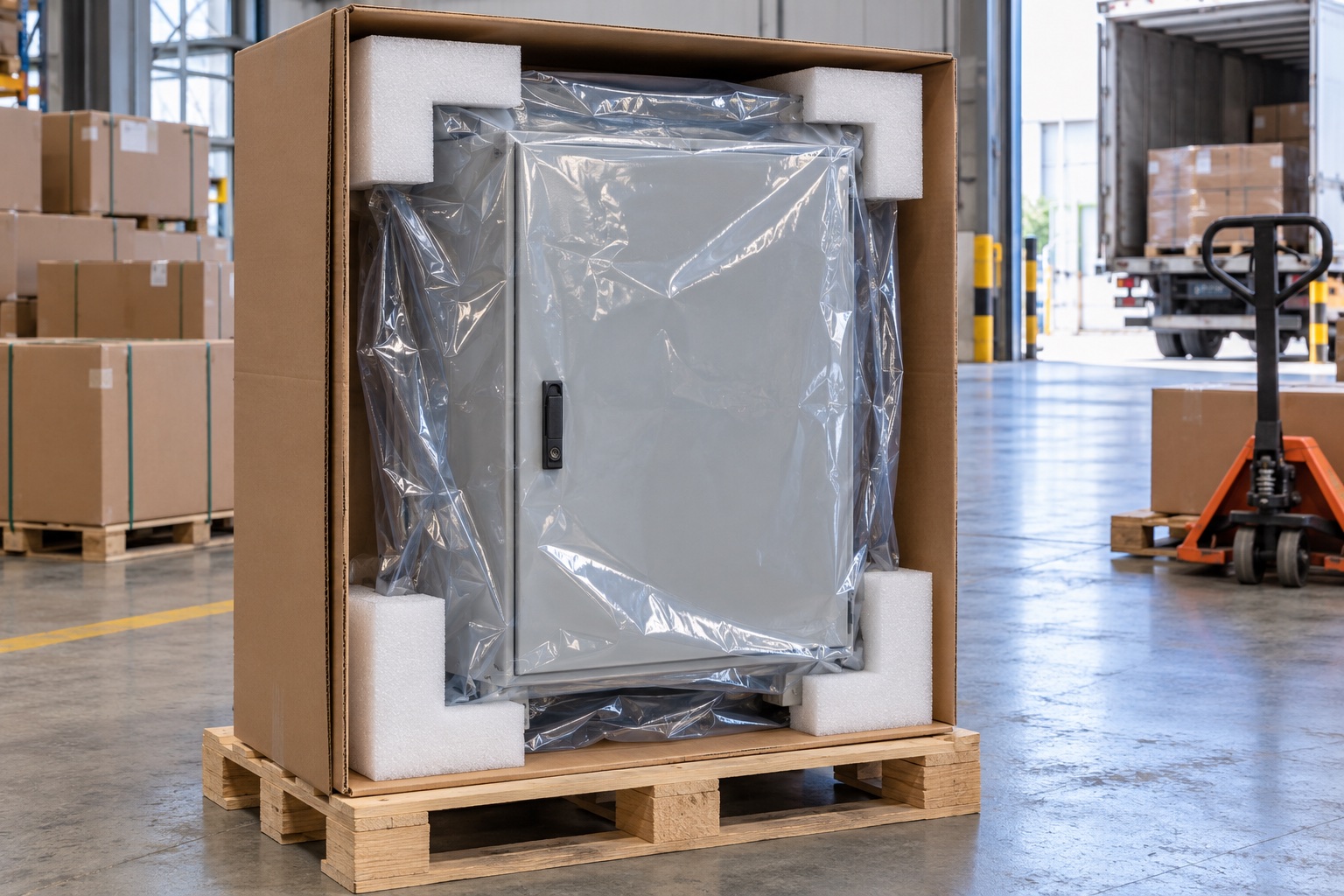
New industry guide
Plan corner support, moisture protection, restraint and identification checks for control cabinet shipments.
Read guide →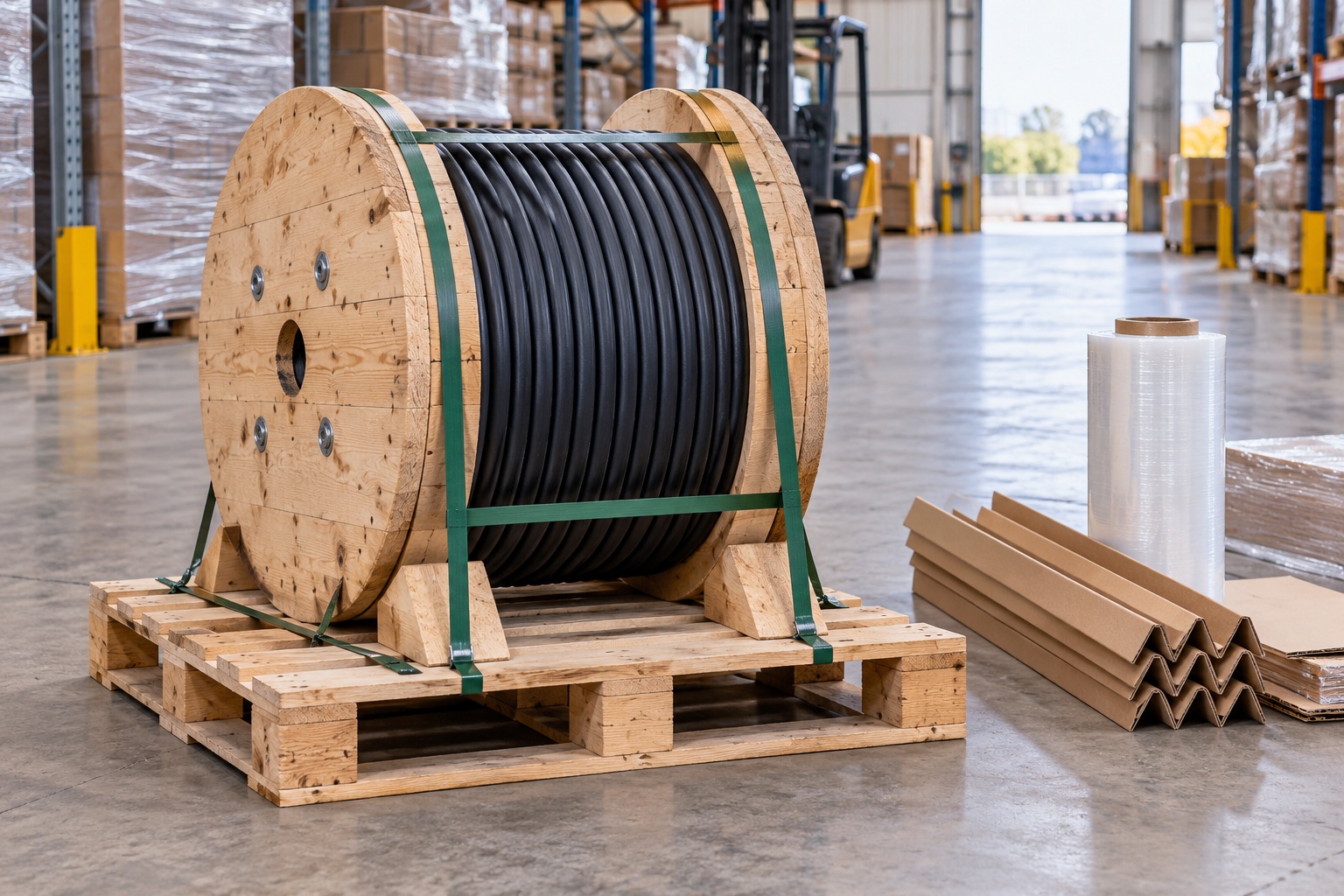
New industry guide
Plan the carton layout, protective inserts and shipping checks for charger housings, cables and accessories.
Read guide →
New industry guide
Assess inner protection, carton selection, labels and pallet shipping for pump and motor spare parts by component type.
Read guide →
New industry guide
A practical packaging guide for weight, exposed openings, surface protection and internal separation of valves and fittings.
Read guide →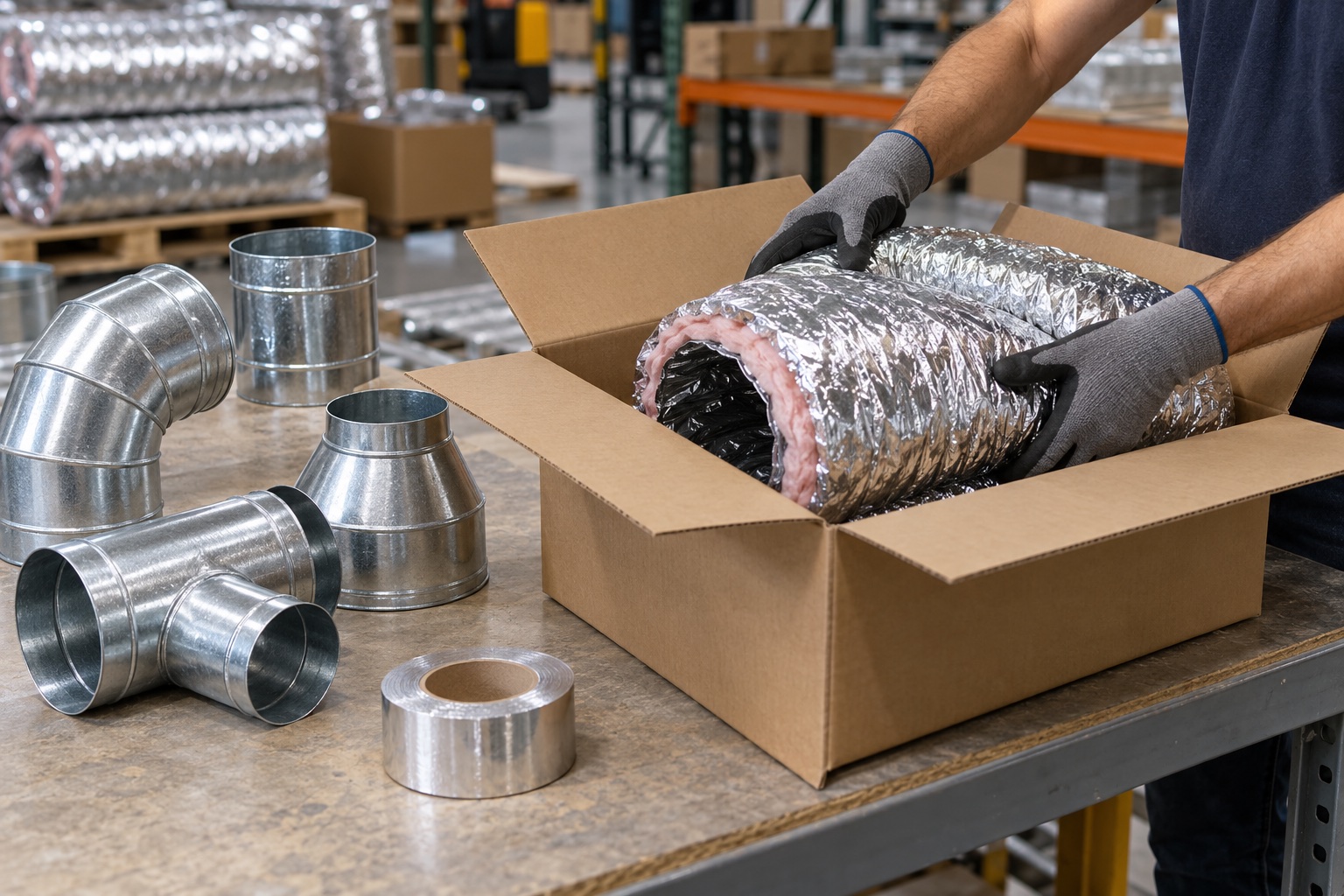
New industry guide
Manage crushing, sharp edges, surface scratches and carton layout for HVAC ductwork and fittings.
Read guide →
New industry guide
Plan carton separation and shipping checks for copper tubing, small components and fittings used in refrigeration service.
Read guide →
New guide
Printed packing tape should support both brand presentation and reliable carton closure. Film, adhesive and print specifications vary.
Read guide →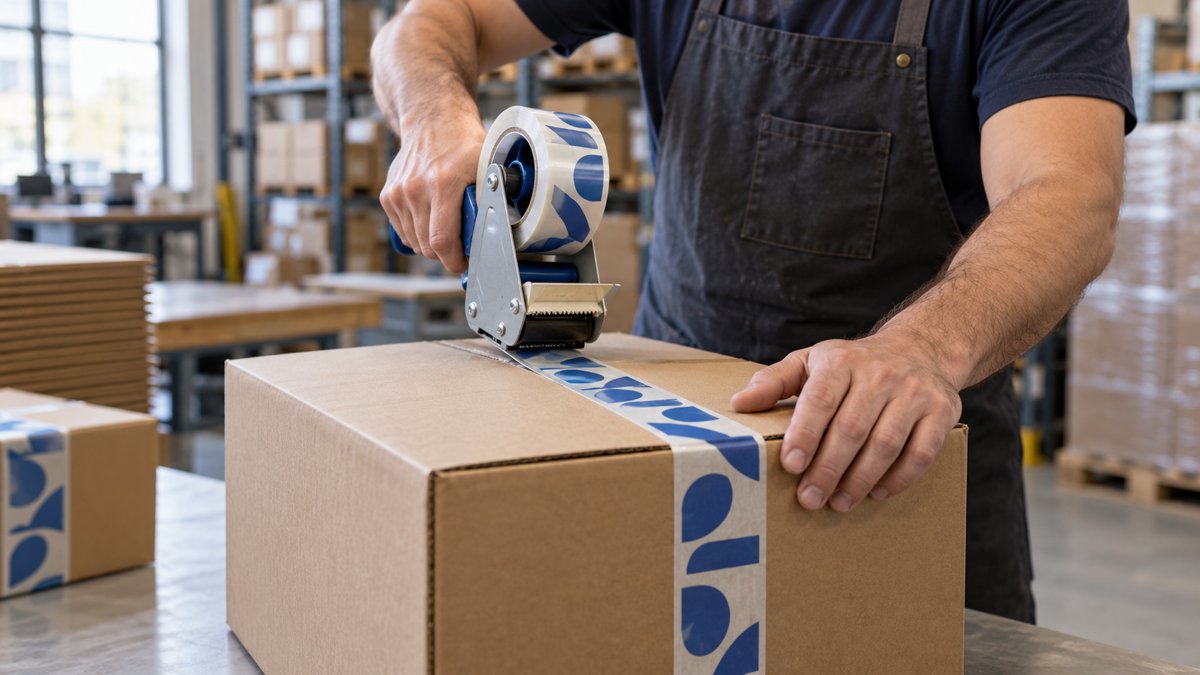
New guide
Manual application requires good carton contact as well as visible printing. Confirm dispenser compatibility with the roll and backing.
Read guide →
New guide
Automatic sealing requires compatible roll dimensions, cutting and print orientation. Performance differs between tapes and machines.
Read guide →
New guide
Legibility matters in a narrow print area. Plan artwork with tape width and repeat spacing.
Read guide →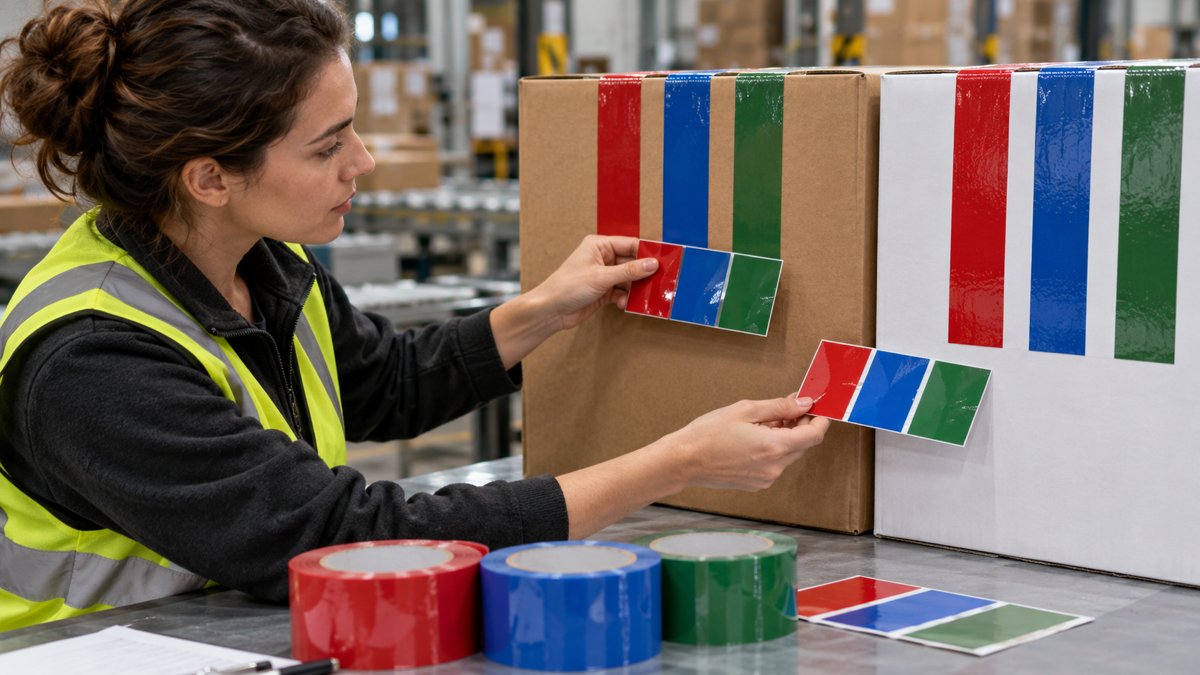
New guide
Tape background and carton color affect logo visibility. Screen colors can look different in print and lighting.
Read guide →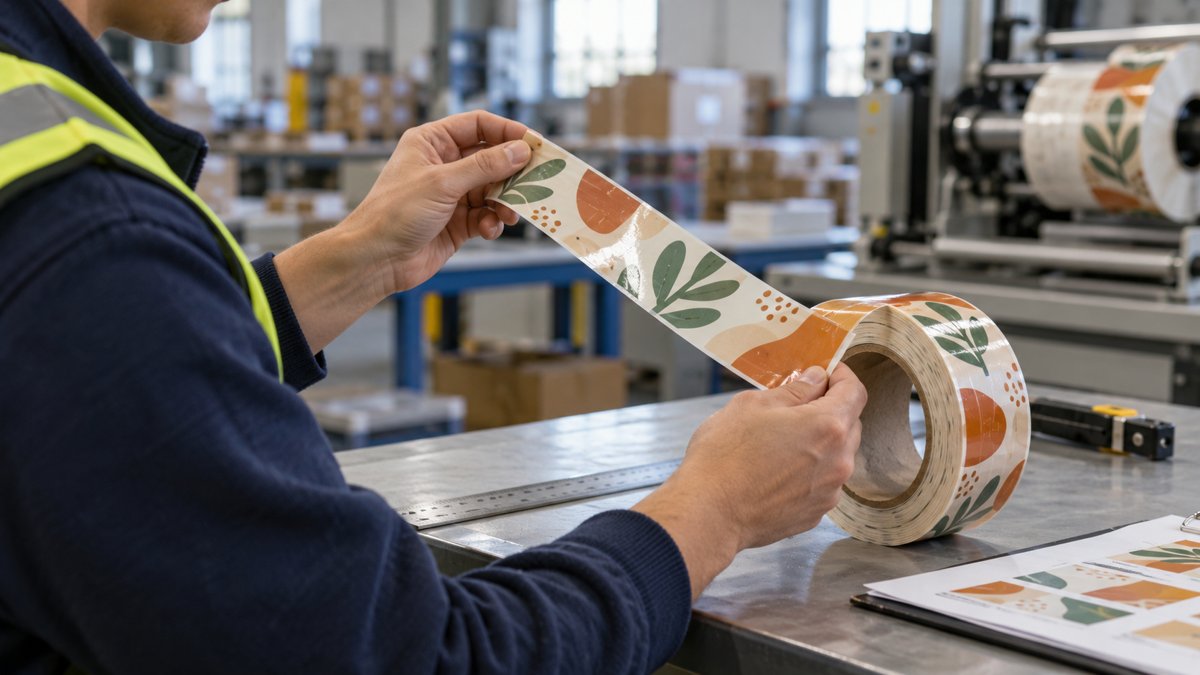
New guide
Printing does not replace selection of an adhesive compatible with the carton. Adhesive systems respond differently to surfaces and temperatures.
Read guide →
New guide
Repeat spacing affects visibility on different cartons. Short tape runs may cut through a logo.
Read guide →
New guide
Carton friction and handling can affect print appearance. Choose checks that reflect actual distribution.
Read guide →
New guide
Printed tape supports branding; shipping safety depends on the carton, tape and internal protection together.
Read guide →
New guide
Sample approval combines artwork review with closure performance. Reference samples and records support later consistency.
Read guide →
New guide
Choose machine-grade kraft tape with both tape construction and machine limits in mind. Not every paper tape suits automatic equipment.
Read guide →
New guide
Loading procedures differ by machine. Manufacturer safety and maintenance instructions take priority.
Read guide →
New guide
Irregular cutting can relate to tape construction, cutter condition or settings. Safety must guide inspection.
Read guide →
New guide
Dust, moisture and coatings can affect tape contact. Automation does not remove the need to match tape and cartons.
Read guide →
New guide
Tape width, roll diameter and core must fit the machine. Roll length and changeover frequency also affect planning.
Read guide →
New guide
Line speed can affect feed, cutting and carton contact. Evaluate throughput together with accepted closure quality.
Read guide →
New guide
Regular checks help identify contact and closure issues early. Plan sampling for actual products and conditions.
Read guide →
New guide
Stacking and pallet stabilization require separate evaluation after case sealing. Tape alone does not secure a pallet load.
Read guide →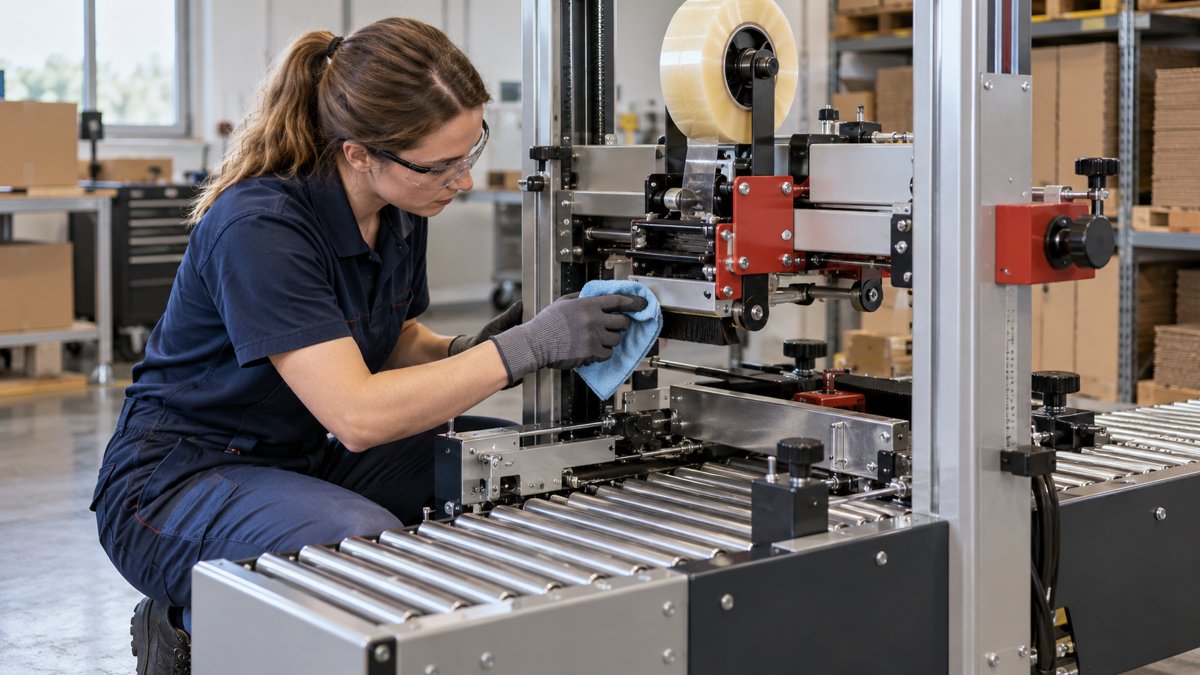
New guide
Qualified personnel should follow manufacturer instructions and site safety procedures for maintenance. Record performance changes.
Read guide →
New guide
Efficiency is not just boxes per hour. Downtime, roll changes and rejected closures also matter.
Read guide →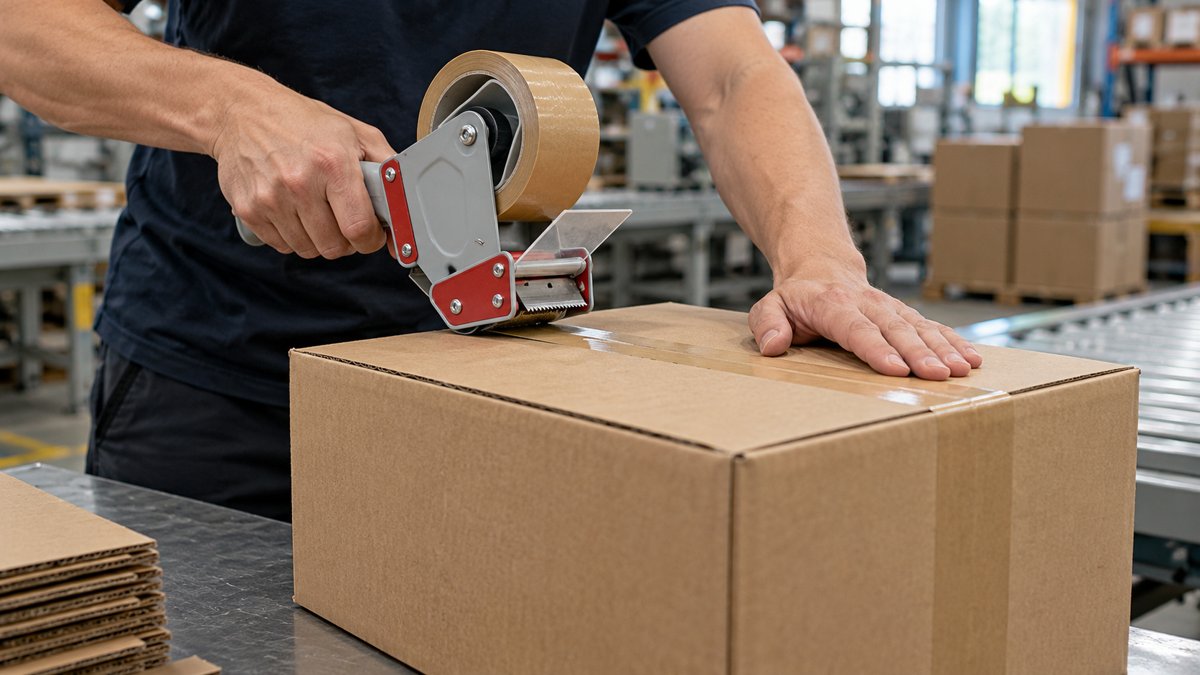
New guide
Choose hand-applied kraft tape for the carton, width, adhesive and dispenser. Specifications vary by product.
Read guide →
New guide
Consistent application and good surface contact matter. Choose the closure pattern for the carton and load.
Read guide →
New guide
A dispenser must suit the roll and backing. Cutters and unwind mechanisms do not work identically with every paper tape.
Read guide →
New guide
Carton fibres and coatings can affect tape contact. Begin with clean, dry surfaces.
Read guide →
New guide
Tape width should provide contact over carton flaps and fit the dispenser. Weight alone does not determine width.
Read guide →
New guide
Clean cuts and good tape-end contact support closure checks. Follow equipment safety instructions.
Read guide →
New guide
Manual application can vary between operators. A simple checklist supports consistency.
Read guide →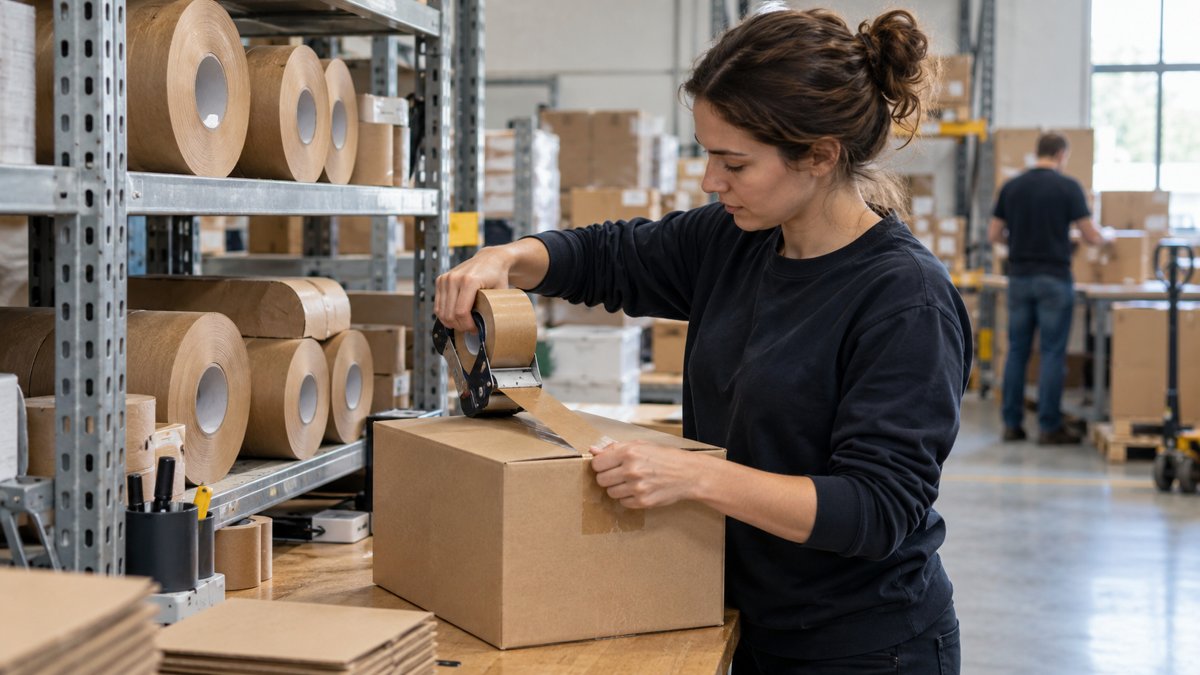
New guide
Clean, undamaged rolls support application. Follow supplier storage instructions.
Read guide →
New guide
For varied order sizes, evaluate the carton, void fill and tape together. Paper appearance does not establish closure strength.
Read guide →
New guide
An organized station makes appropriate cartons and tape tools accessible. Balance throughput with closure quality.
Read guide →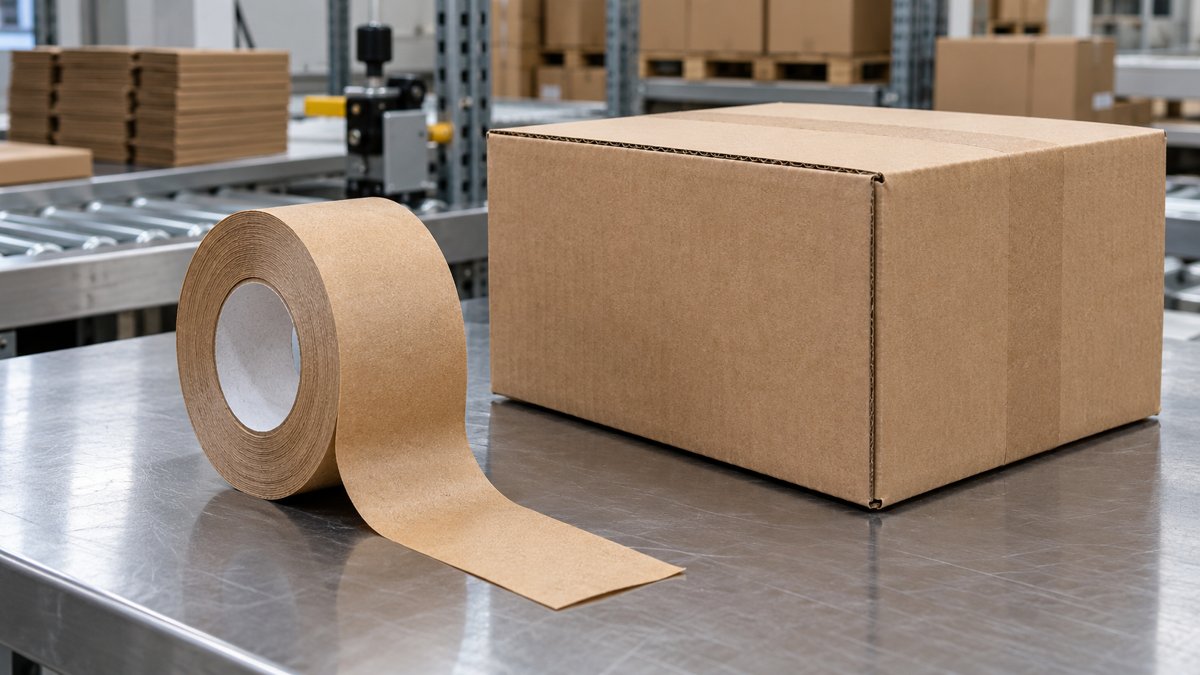
New guide
Select solvent-adhesive kraft tape for the carton, application and storage environment. Performance depends on the formulation.
Read guide →
New guide
Hand-applied tape needs consistent carton contact and a compatible dispenser.
Read guide →
New guide
Carton surfaces can perform differently with the same adhesive. Consider fibre, coatings and application conditions.
Read guide →
New guide
Surface preparation, pressure and inspection time affect adhesion checks. Practical observation is distinct from formal laboratory testing.
Read guide →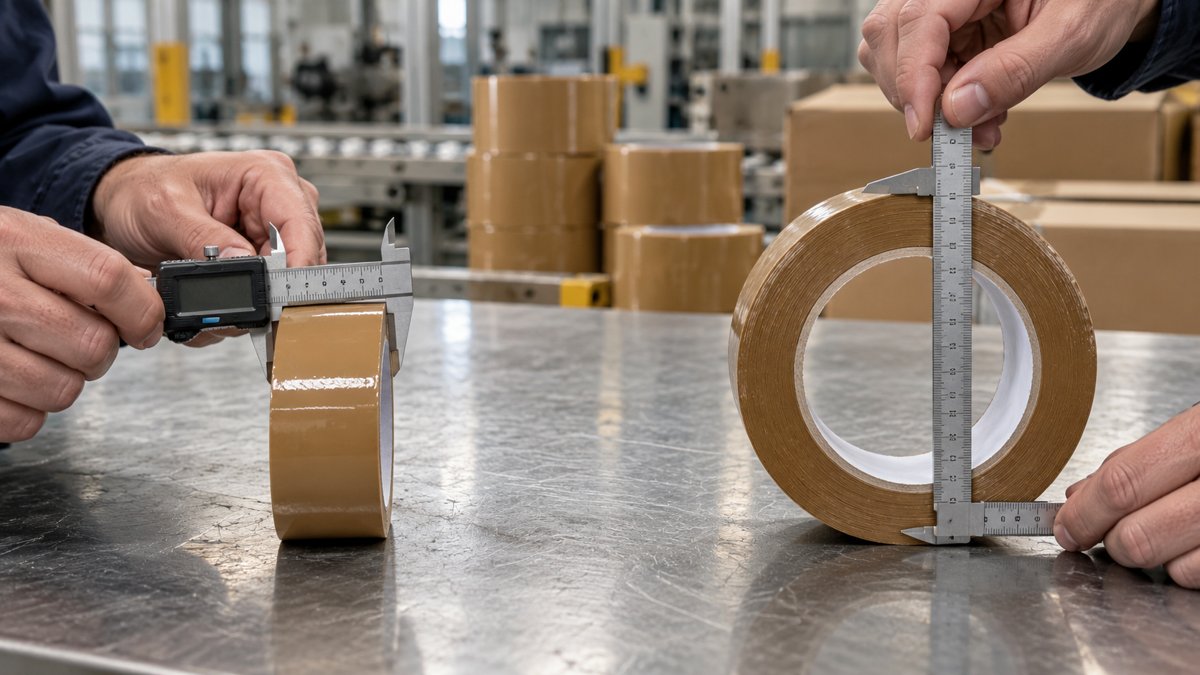
New guide
Tape width must fit carton geometry and equipment. One width may not suit all applications.
Read guide →
New guide
Tape construction, roll dimensions and cutting mechanism all matter for automatic sealing. Do not assume universal machine compatibility.
Read guide →
New guide
Good storage reduces contamination and physical damage. Follow the specific product data sheet.
Read guide →
New guide
Application temperature can differ from storage and shipping temperatures. Evaluate product data against the actual scenario.
Read guide →
New guide
Carton closure depends on tape, box and internal arrangement. Assess the full system under realistic conditions.
Read guide →
New guide
Records help investigate changes in carton closure performance. Track tape and carton batches together.
Read guide →
New guide
Printed kraft tape must work as a carton closure and a brand element. The paper backing, adhesive and printing need to suit the application.
Read guide →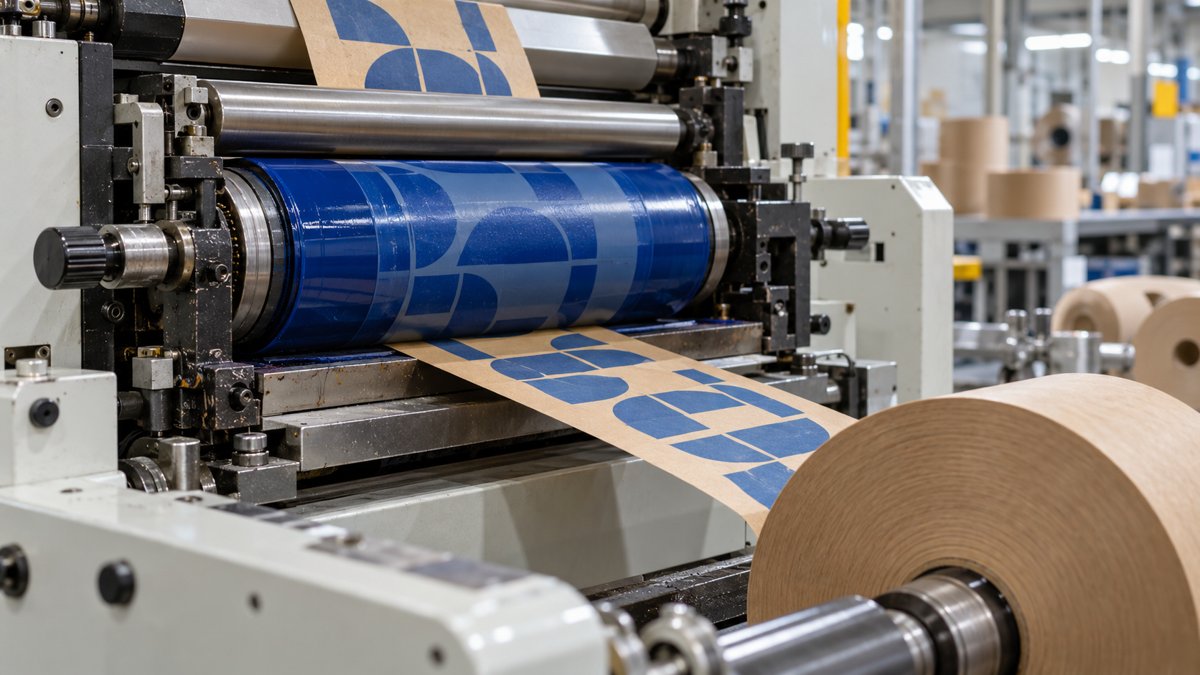
New guide
Narrow tape artwork requires legibility and a suitable repeat. Logo and text size must fit the selected width.
Read guide →
New guide
The natural paper background can make printed color look different from an illuminated screen. Base the final decision on a physical proof.
Read guide →
New guide
Repeat spacing affects visibility on short and long carton seams. Inspect how artwork looks at the tape cut.
Read guide →
New guide
Printed tape can display branding, but adhesive and carton compatibility remain essential. Artwork approval does not replace closure testing.
Read guide →
New guide
Automatic suitability depends on tape construction and the sealing head. Not every printed paper tape suits every machine.
Read guide →
New guide
Carton-to-carton friction can affect print appearance during storage and shipping. Requirements depend on the application.
Read guide →
New guide
Clean, undamaged printed rolls support both application and presentation. Follow the supplier’s specific storage instructions.
Read guide →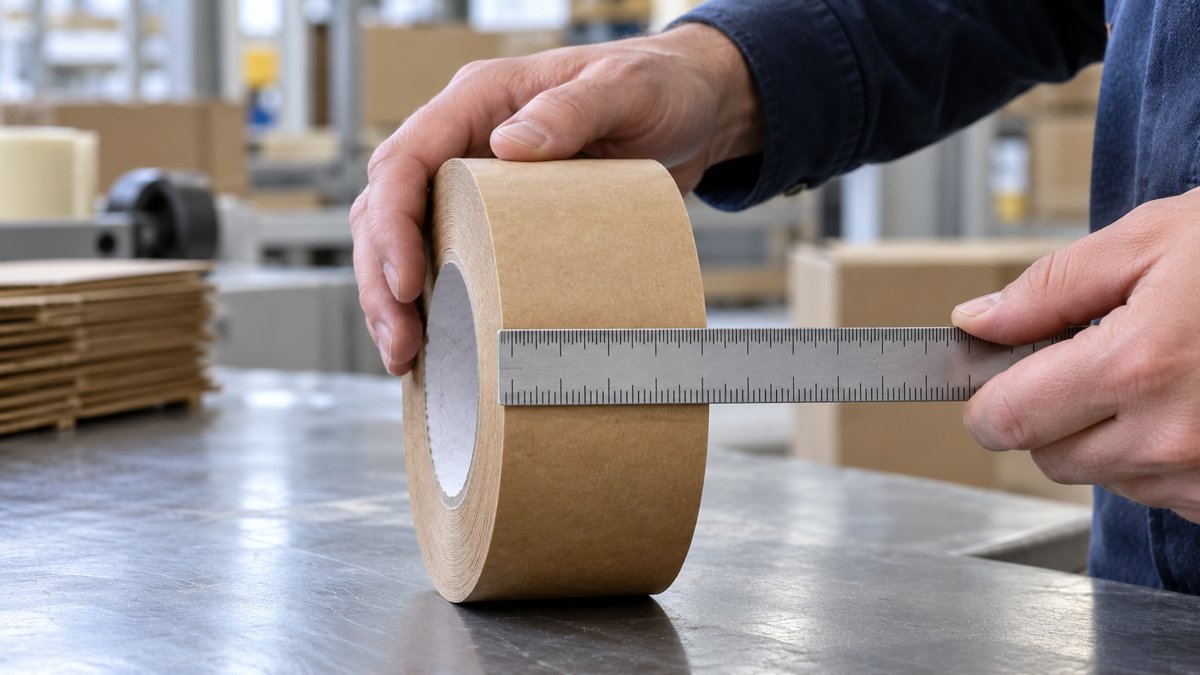
New guide
Sample approval checks both artwork and real-world tape performance. A digital design alone is insufficient.
Read guide →
New guide
Batch records help investigate changes in print appearance and carton closure. Production checks should not rely on a single observation.
Read guide →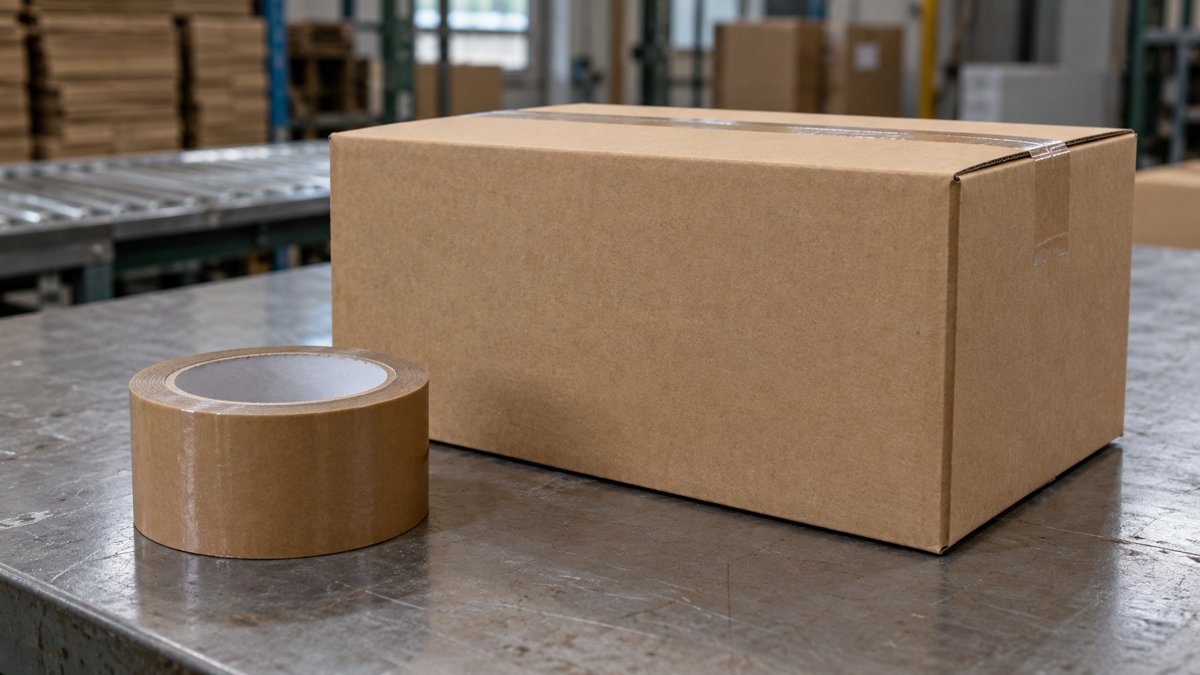
New guide
Select hotmelt paper tape according to carton surface, application and distribution conditions. Product specifications vary.
Read guide →
New guide
Good surface contact and a compatible dispenser support consistent hand closure. Follow product-specific supplier guidance.
Read guide →
New guide
Carton texture, fibres and surface conditions can affect adhesive contact. Results on one carton may not apply to all.
Read guide →
New guide
Initial tack describes early contact after application. Long-term closure also depends on surface, time and handling.
Read guide →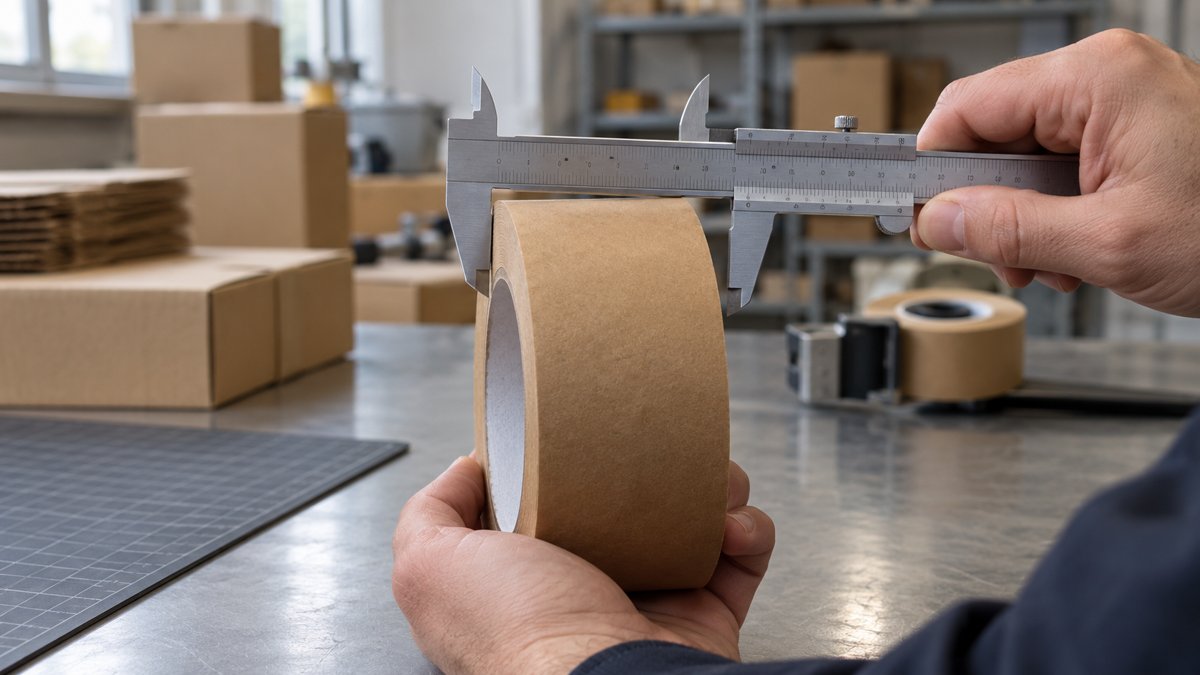
New guide
Tape width should suit flap geometry and the application device. Carton weight alone does not determine the correct width.
Read guide →
New guide
In automatic sealing, unwind, core dimensions and sealing-head compatibility affect operation. Evaluate tape and machine together.
Read guide →
New guide
Storage requirements differ by formulation. Follow supplier guidance to reduce contamination and physical damage.
Read guide →
New guide
Edge lift may relate to surface condition, pressure, temperature or flap tension. Record conditions before diagnosing.
Read guide →
New guide
Tape is one part of the shipping system. Carton strength, internal support and pallet arrangement also matter.
Read guide →
New guide
Batch and application records help investigate changes in closure performance. Define checks for actual products and shipping conditions.
Read guide →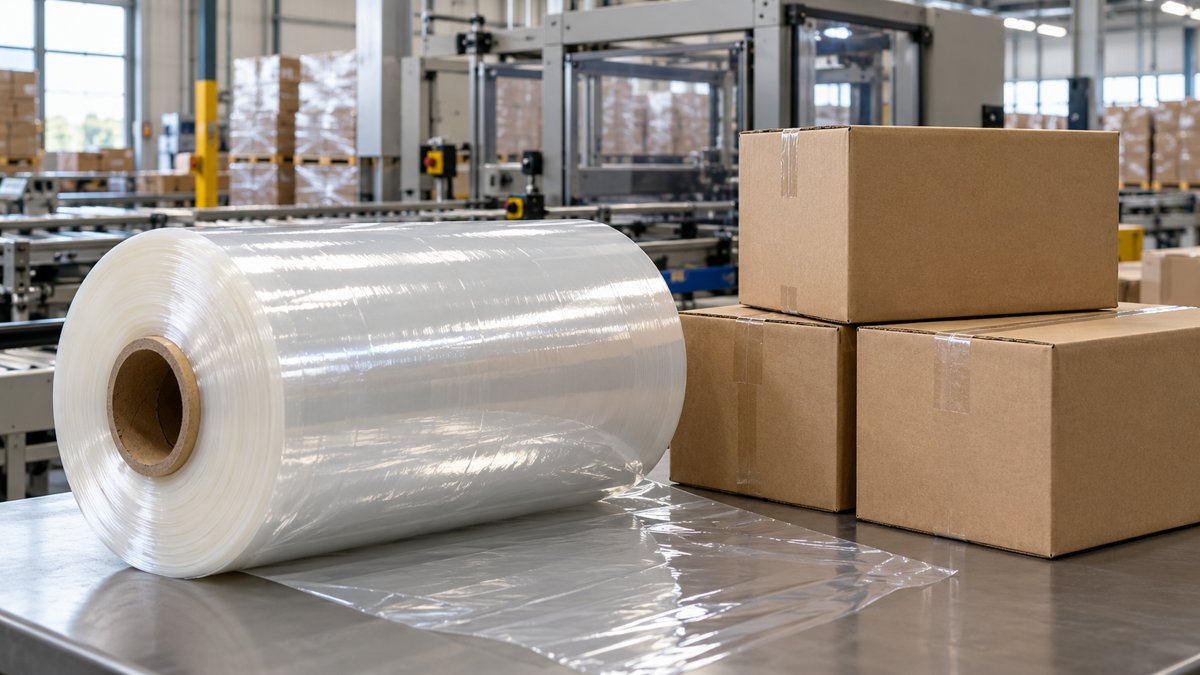
New guide
Clear packaging requires evaluation of seals, strength and machine compatibility alongside product visibility. Appearance can vary on the actual pack.
Read guide →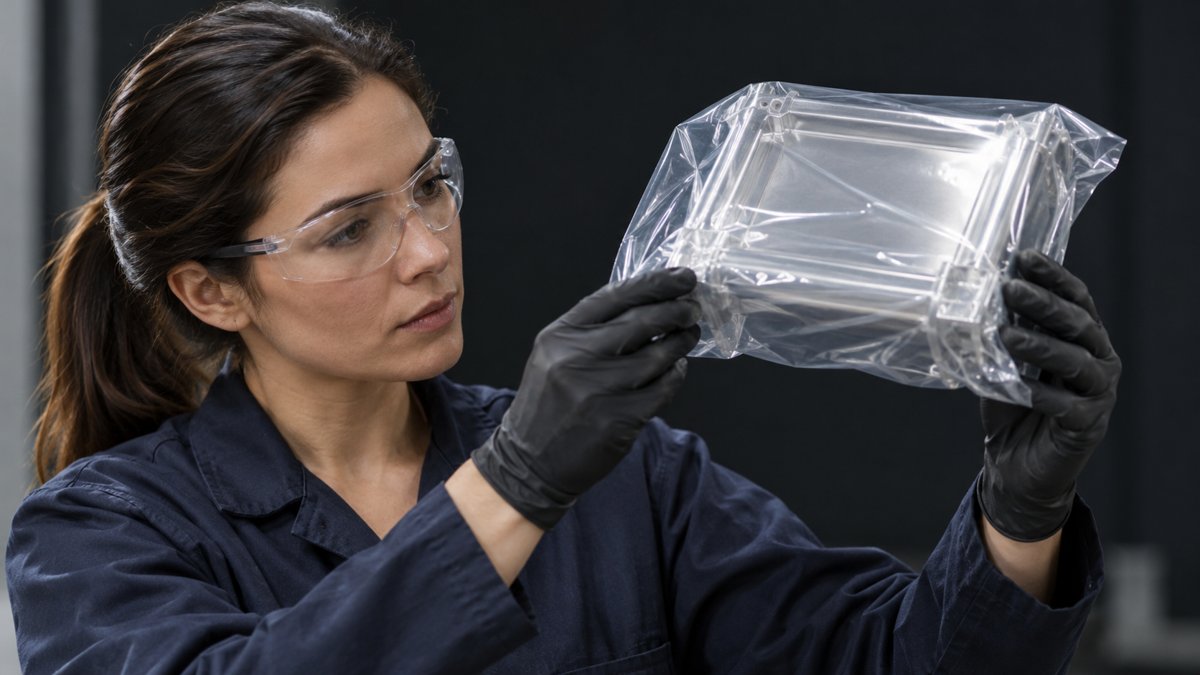
New guide
The appearance of film on a roll can differ from a shrunk pack. Product color and lighting also matter.
Read guide →
New guide
A pack can look different on the line and on a retail shelf. Reflections and light direction affect visibility.
Read guide →
New guide
Wrinkles can relate to film size, product geometry, seals or tunnel conditions. Avoid assuming a single cause.
Read guide →
New guide
Seal placement can affect both presentation and integrity. Appearance checks do not replace seal testing.
Read guide →
New guide
For cosmetic cartons, product presentation and carton integrity matter. Film and tunnel settings should reflect product sensitivity.
Read guide →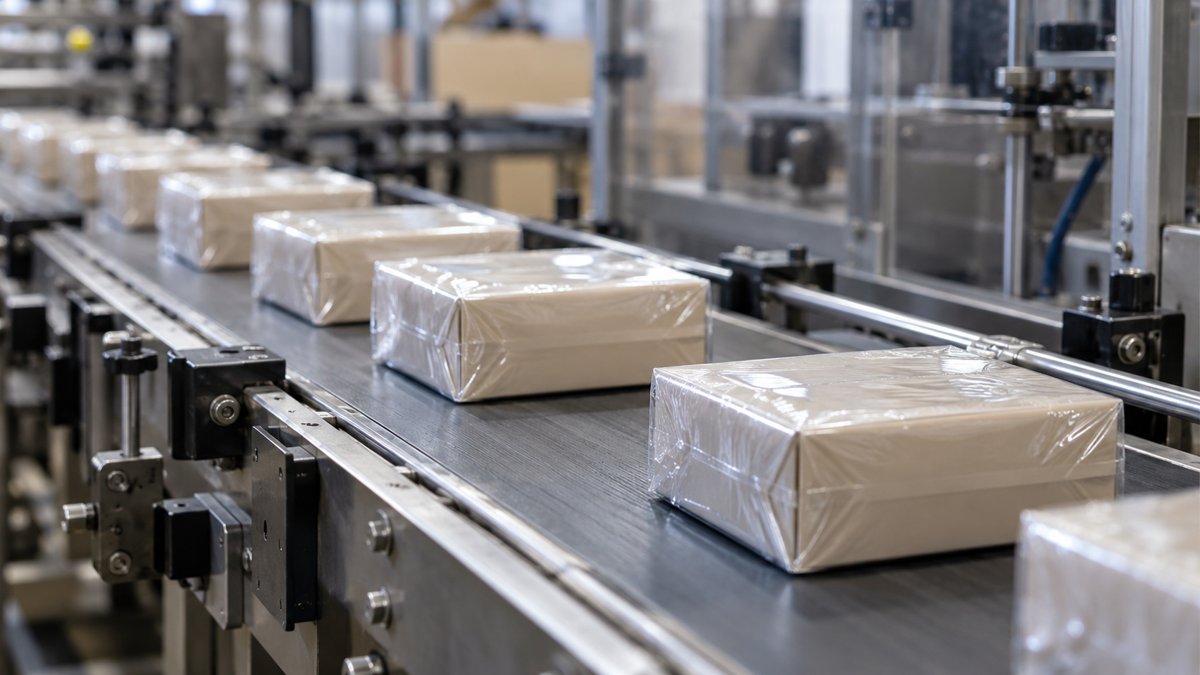
New guide
Line speed changes can affect film feed, sealing and tunnel exposure. Higher throughput must be considered alongside accepted pack quality.
Read guide →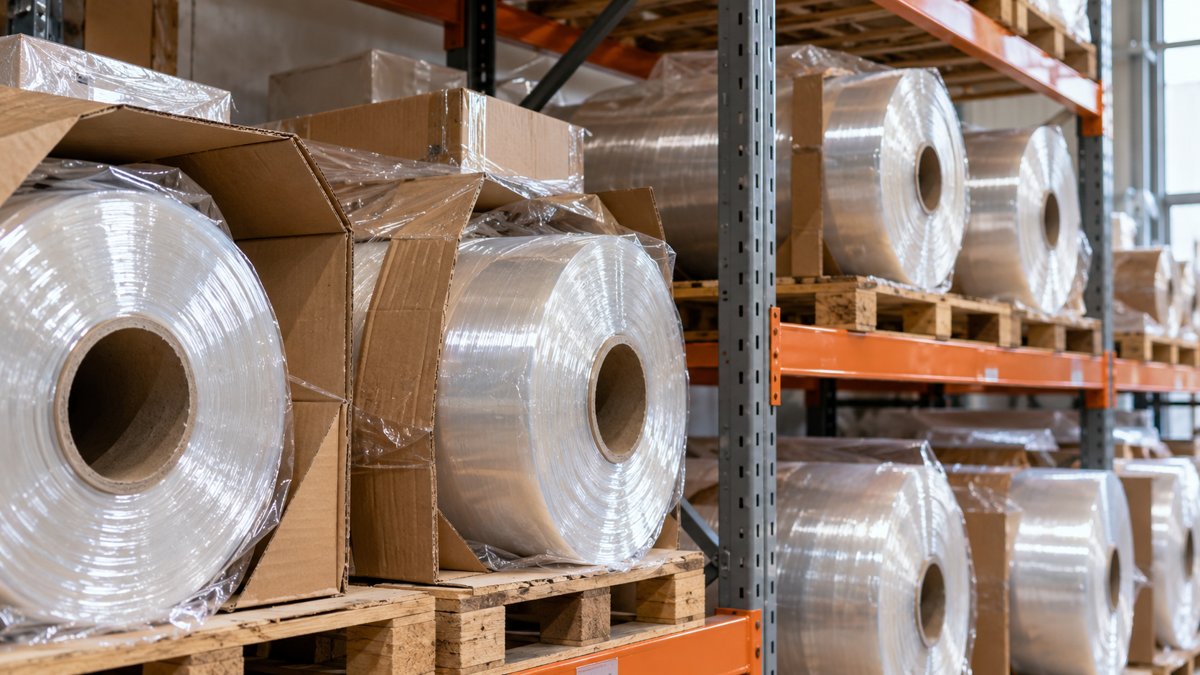
New guide
Dust, scratches and roll-edge damage can affect clear-film appearance and feed. Follow product-specific storage instructions.
Read guide →
New guide
Comparing rolls alone is insufficient. Keep the product and machine conditions as consistent as possible.
Read guide →
New guide
Clear-pack quality includes visibility, seals and product integrity. Approved samples support consistent evaluation.
Read guide →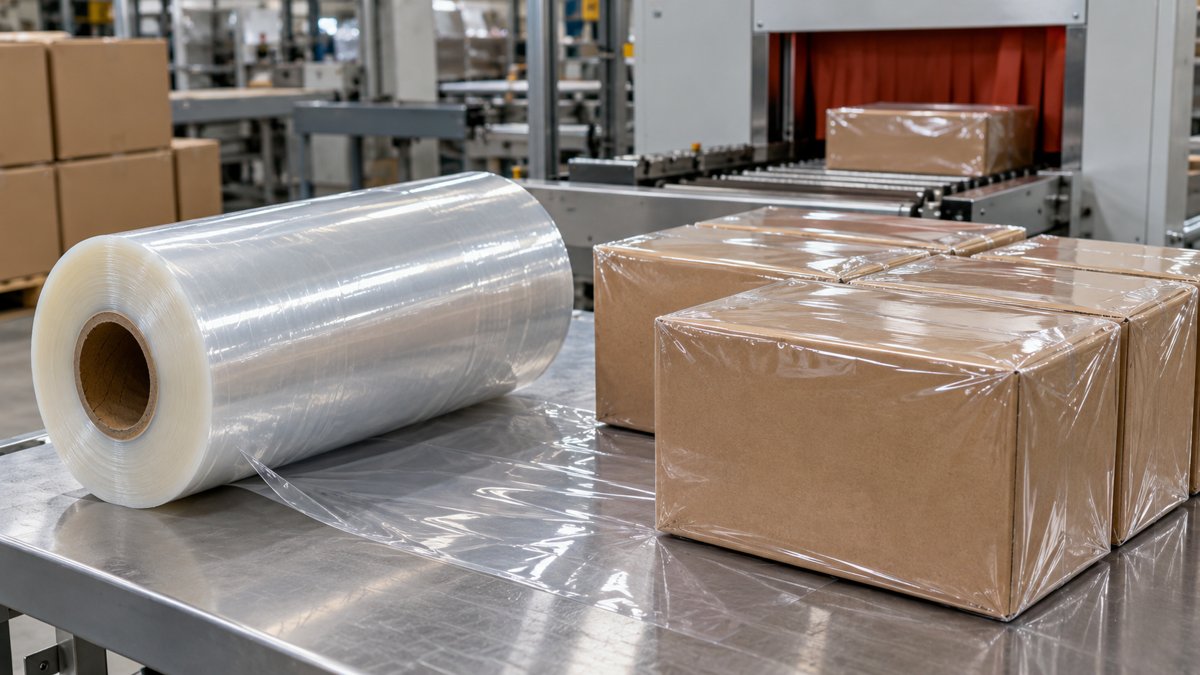
New guide
Film for heat-sensitive products must suit the product, finished appearance and machine. Low-temperature claims do not guarantee universal suitability.
Read guide →
New guide
Sensitive contents and thin cartons can respond differently to tunnel heat. Assess product integrity and film appearance together.
Read guide →
New guide
Film properties alone do not determine results. Tunnel size, airflow and conveyor speed matter. Follow manufacturer guidance and run controlled trials.
Read guide →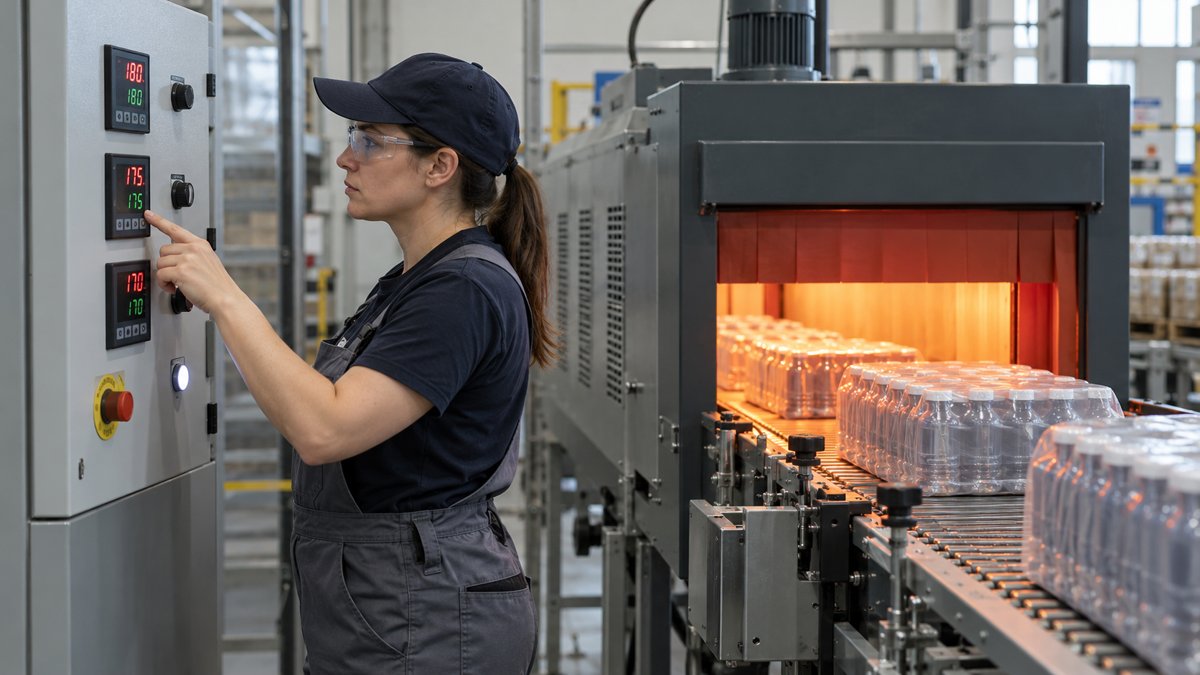
New guide
One temperature does not fit every product. Exposure time, airflow and product response also affect results.
Read guide →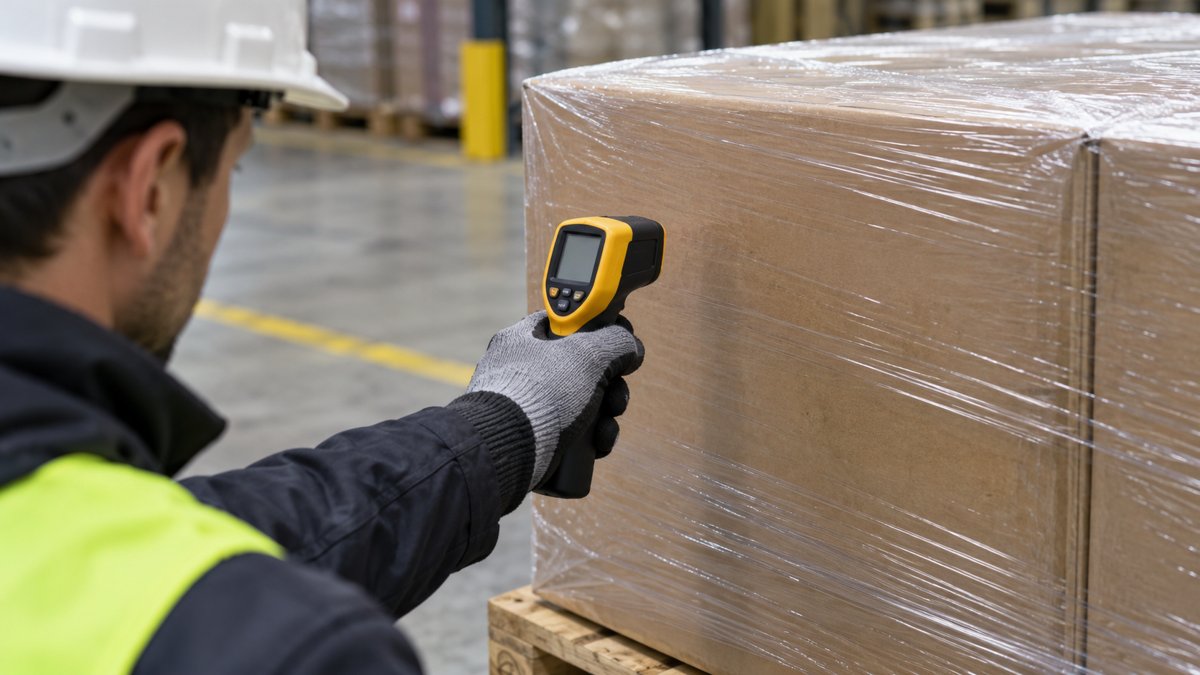
New guide
Displayed tunnel air temperature is not necessarily the same as product surface or internal temperature. Select a method suited to the product.
Read guide →
New guide
Thin cartons may be sensitive to heat or shrink force. Evaluate film and process choices with the real product.
Read guide →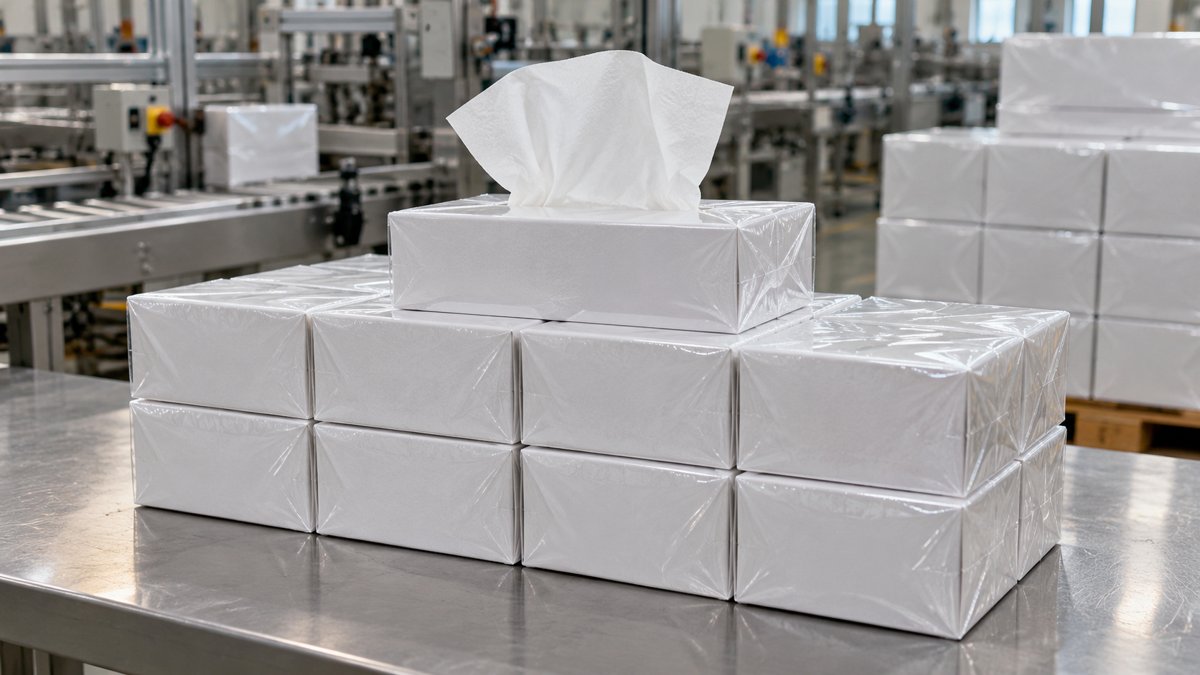
New guide
Appearance and corner integrity matter for paper goods. Choose film with regard to heat sensitivity and shrink force.
Read guide →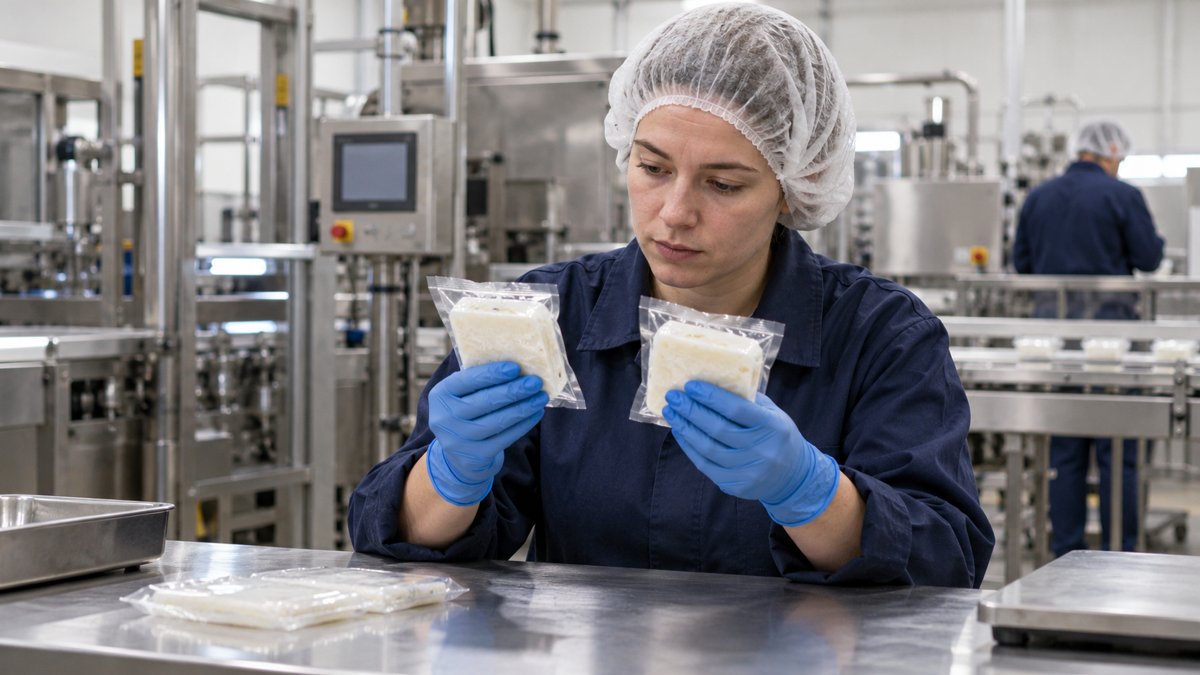
New guide
Sample comparisons are more useful under recorded conditions with the same product. Tunnel temperature alone is not enough.
Read guide →
New guide
Passing through the tunnel without damage does not remove the need to assess storage and transport. Shrink film does not replace temperature-controlled dis
Read guide →
New guide
Consistent results require monitoring film, product and machine settings together. Reassess trials when products or rolls change.
Read guide →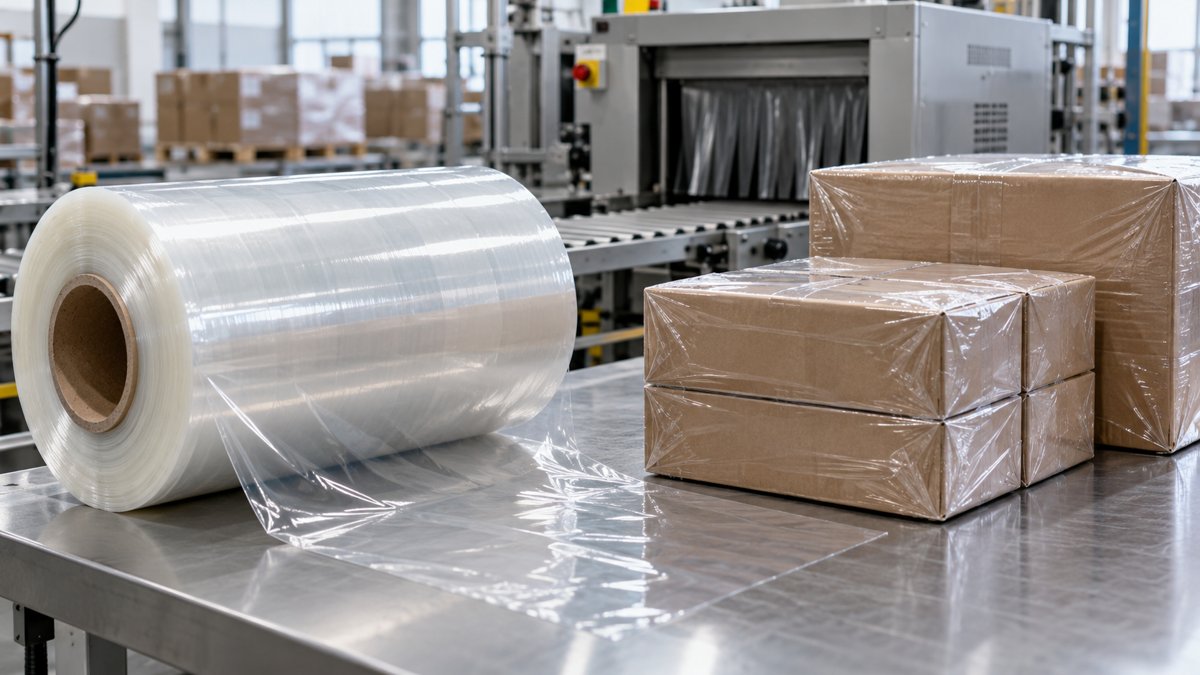
New guide
Printable polyolefin film must work both on the wrapping line and after artwork shrinks. Film and ink combinations are not interchangeable.
Read guide →
New guide
A printing project starts with artwork and ends with approval on the actual package. Coordination between film and print suppliers helps avoid errors.
Read guide →
New guide
Artwork can distort as film conforms to the product. A flat proof alone does not show the final appearance.
Read guide →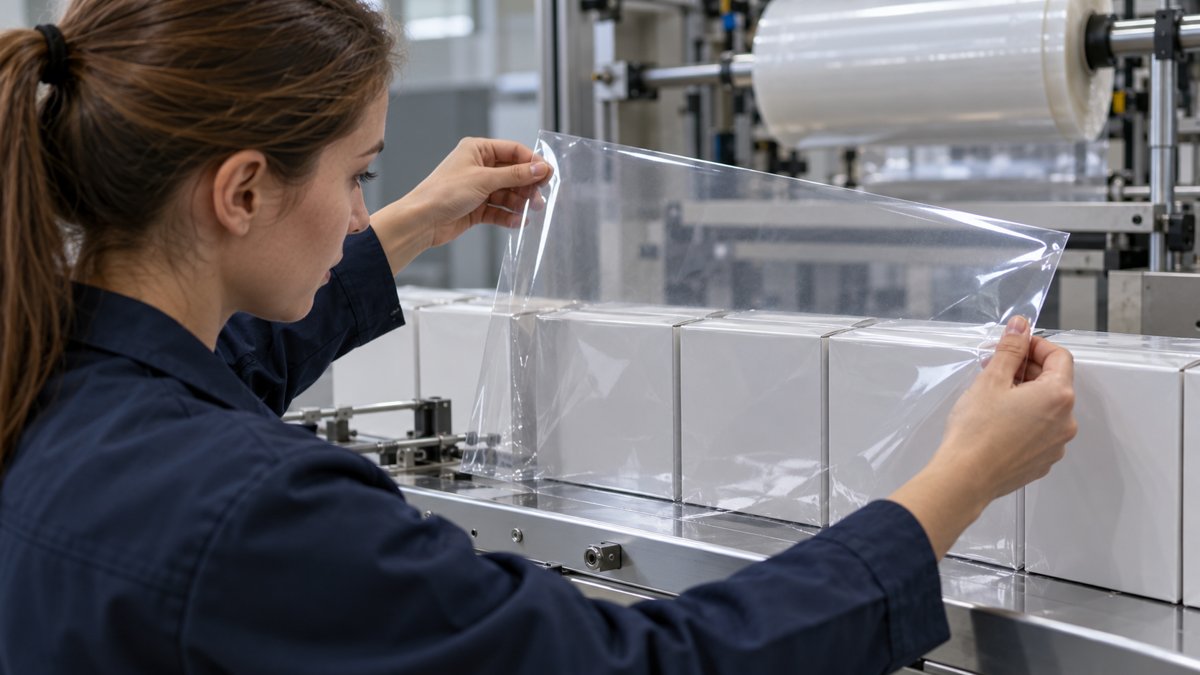
New guide
On clear film, perceived color depends on the product background and shrinkage. Assess artwork on the real pack.
Read guide →
New guide
Printed film adds roll orientation and artwork positioning to the usual machine compatibility checks. Equipment capabilities constrain the application.
Read guide →
New guide
Printed shrink wrap can support product information and multipack presentation. Suitability depends on product shape and the selling environment.
Read guide →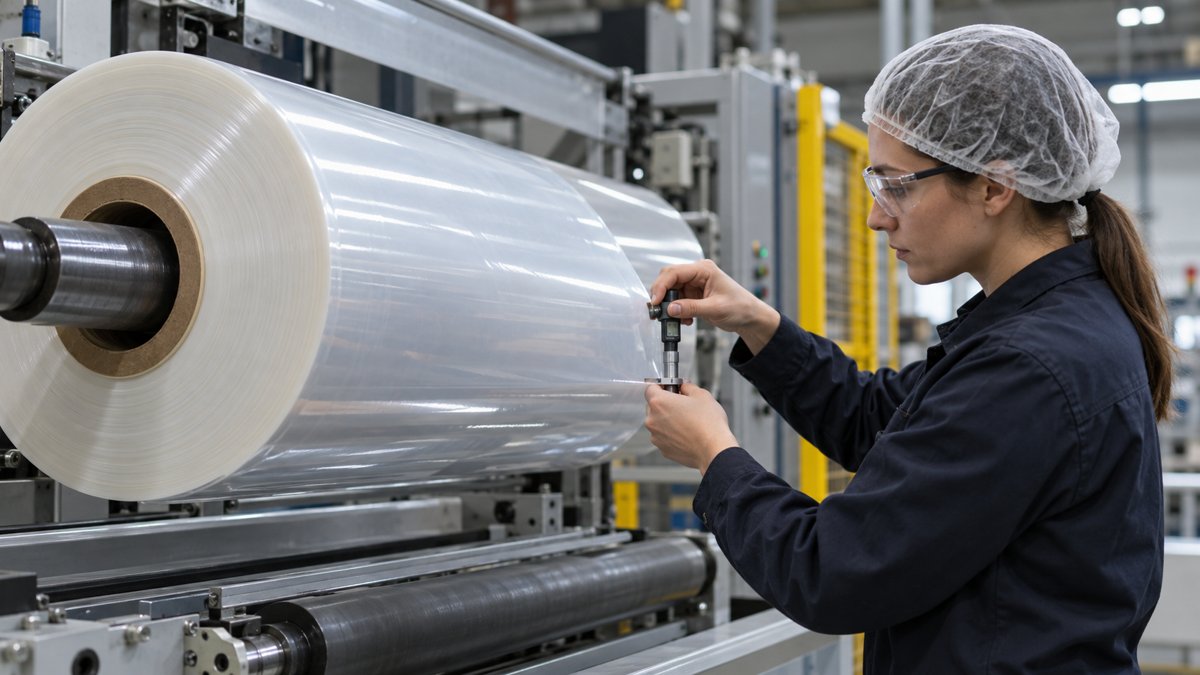
New guide
Film width, roll diameter and core must fit both print and packaging equipment. Print repeat also needs consideration.
Read guide →
New guide
In multipacks, artwork must fit the complete grouping. Product arrangement affects presentation and stability.
Read guide →
New guide
Food-contact suitability cannot be inferred from the film name alone. Film, printing and intended use must be considered together.
Read guide →
New guide
Quality checks span flat-film printing through handling of the finished pack. Batch records and approved samples support comparison.
Read guide →
New guide
Selecting kraft tape means considering carton surfaces, pack weight and application. A paper backing does not make all adhesive formulations equivalent.
Read guide →
New guide
Hand application requires good surface contact and appropriate closure coverage as well as speed. Check compatibility with the dispenser.
Read guide →
New guide
The same tape may perform differently across cartons. Fibre composition, surface finish, moisture and dust are relevant variables.
Read guide →
New guide
Paper-backed tapes can use different adhesive systems. Suitability depends on the carton, temperature and storage period.
Read guide →
New guide
Tape width should suit carton size, flap geometry and application equipment. One width may not fit every pack.
Read guide →
New guide
Proper storage helps reduce contamination and physical damage. Follow manufacturer instructions for the specific tape.
Read guide →
New guide
Tape must be compatible with the case-sealing head. Not every kraft tape performs the same way on every automatic machine.
Read guide →
New guide
Assess initial contact and behavior after storage together. Application conditions affect the outcome.
Read guide →
New guide
Tape is one part of a shipping pack; the carton, void fill and pallet arrangement also affect transport safety.
Read guide →
New guide
Track tape, carton and application conditions together when investigating repeated closure issues. Simple records support root-cause analysis.
Read guide →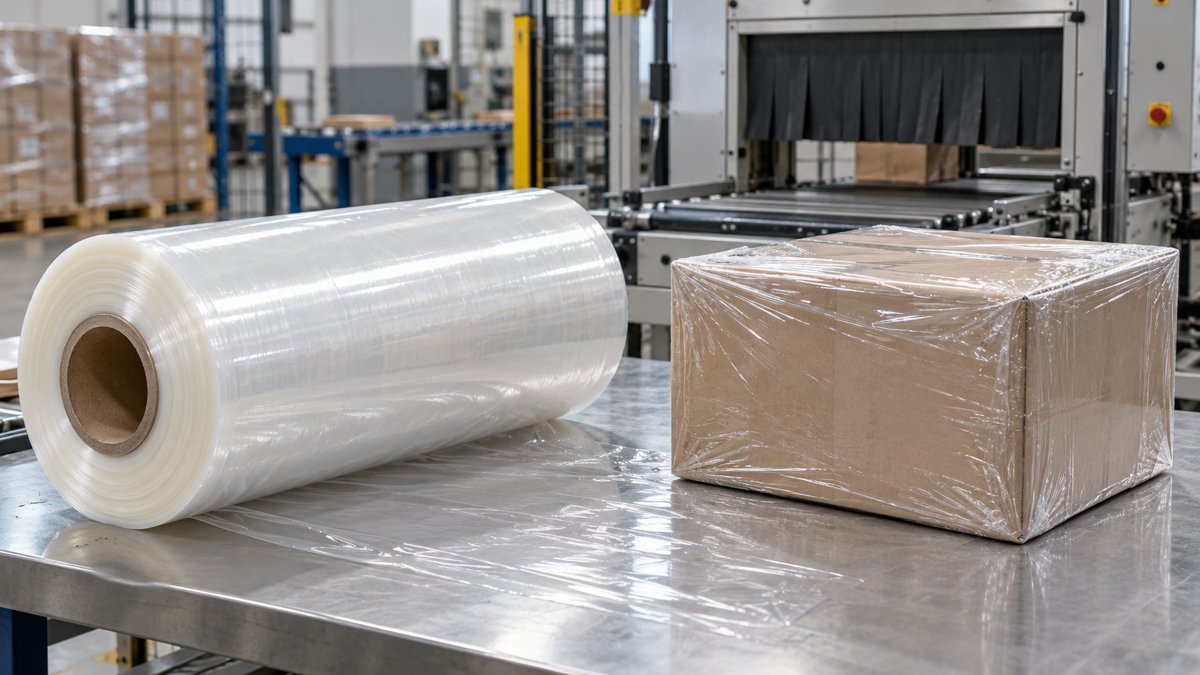
New guide
Strength needs depend on pack weight, sharp edges and distribution. A product name alone does not guarantee performance.
Read guide →
New guide
Film alone may not support a heavy product safely. Select outer packaging and handling systems for the actual load.
Read guide →
New guide
Sharp corners can concentrate stress on film during wrapping and handling. Test the actual product geometry.
Read guide →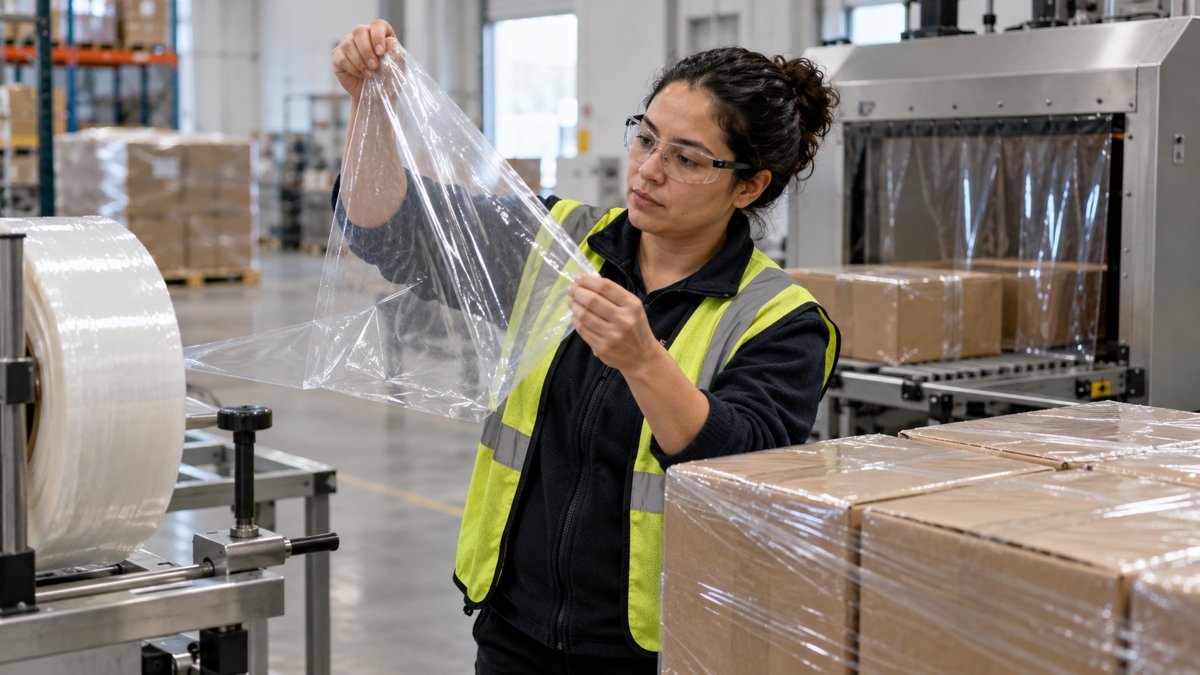
New guide
Tears can relate to edges, seals and handling as well as the film itself. One observation may not represent the entire batch.
Read guide →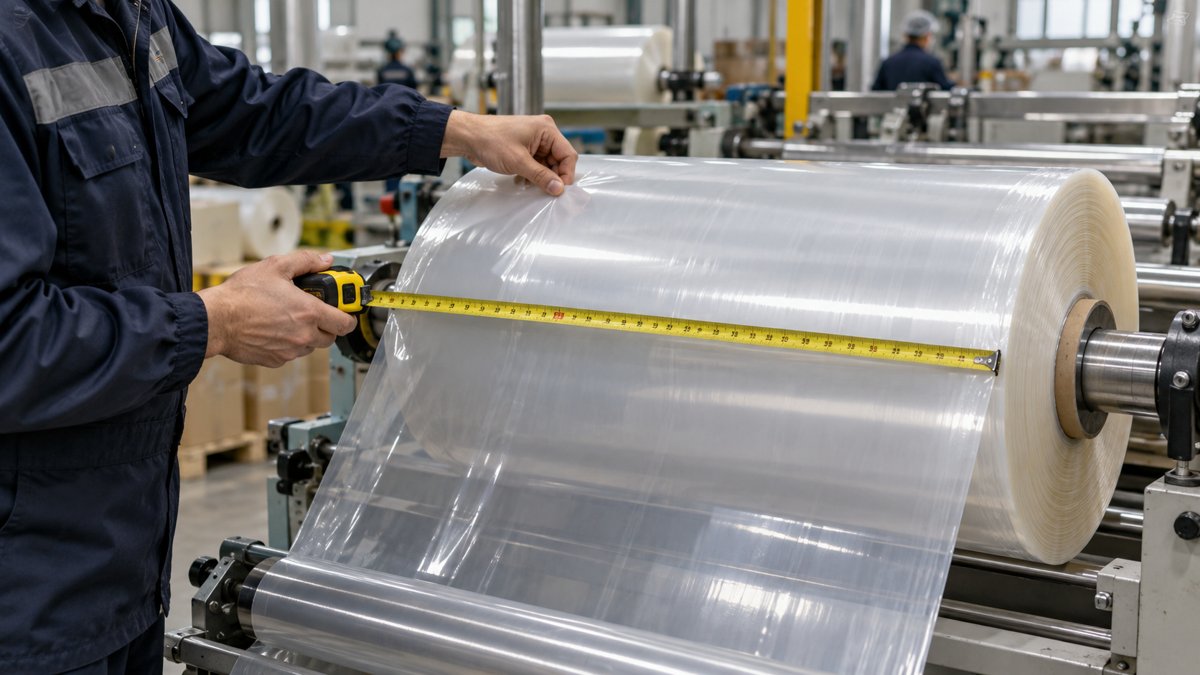
New guide
Film width depends on pack dimensions and the machine’s sealing layout. Excess width wastes film, while insufficient width can compromise sealing.
Read guide →
New guide
Reassess tunnel settings when film or products change. Use the equipment and film manufacturers’ instructions.
Read guide →
New guide
Compare the whole packaging system under realistic distribution conditions. Laboratory values do not replicate every field condition.
Read guide →
New guide
Shrink wrap may group products, but pallet load stability requires a separate design and validation.
Read guide →
New guide
Even strong film can fail if seals are inadequate. Treat seal quality as a separate production control.
Read guide →
New guide
Batch and production records help investigate changes in packing performance. Quality checks go beyond visual appearance.
Read guide →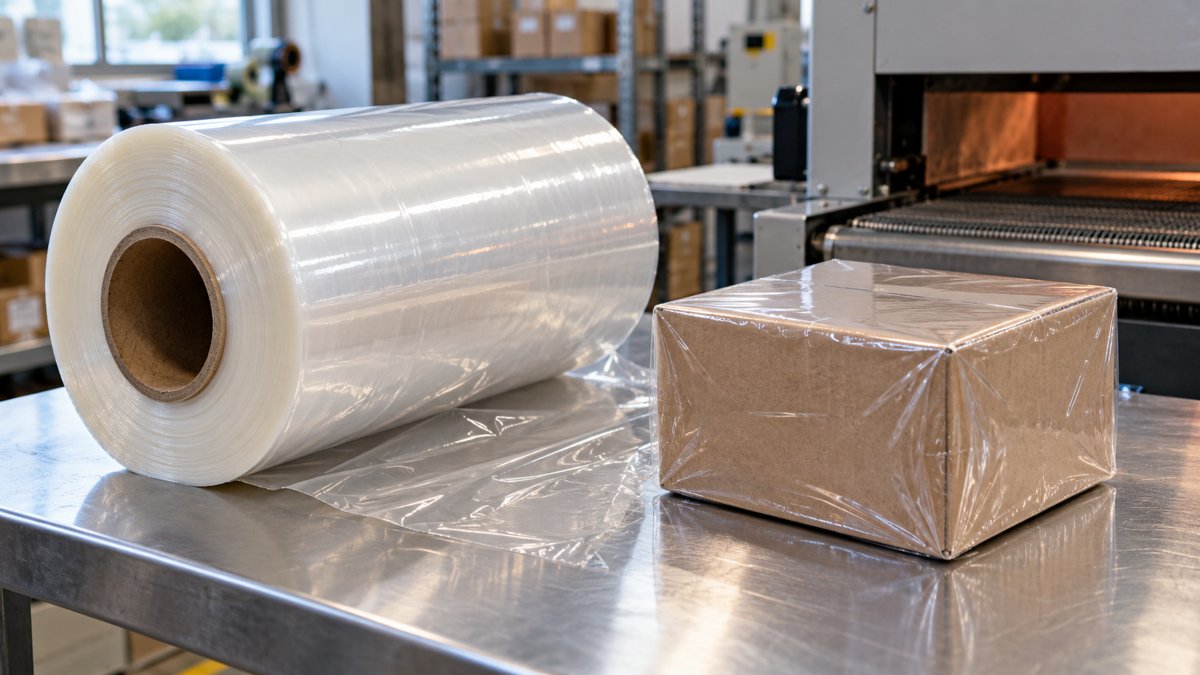
New guide
Standard polyolefin film forms a clear wrap around products when heated. Selection should reflect both package dimensions and the wrapping line.
Read guide →
New guide
Appearance alone does not establish suitability. Comparing samples under the same conditions shows how each film behaves on the packaging line.
Read guide →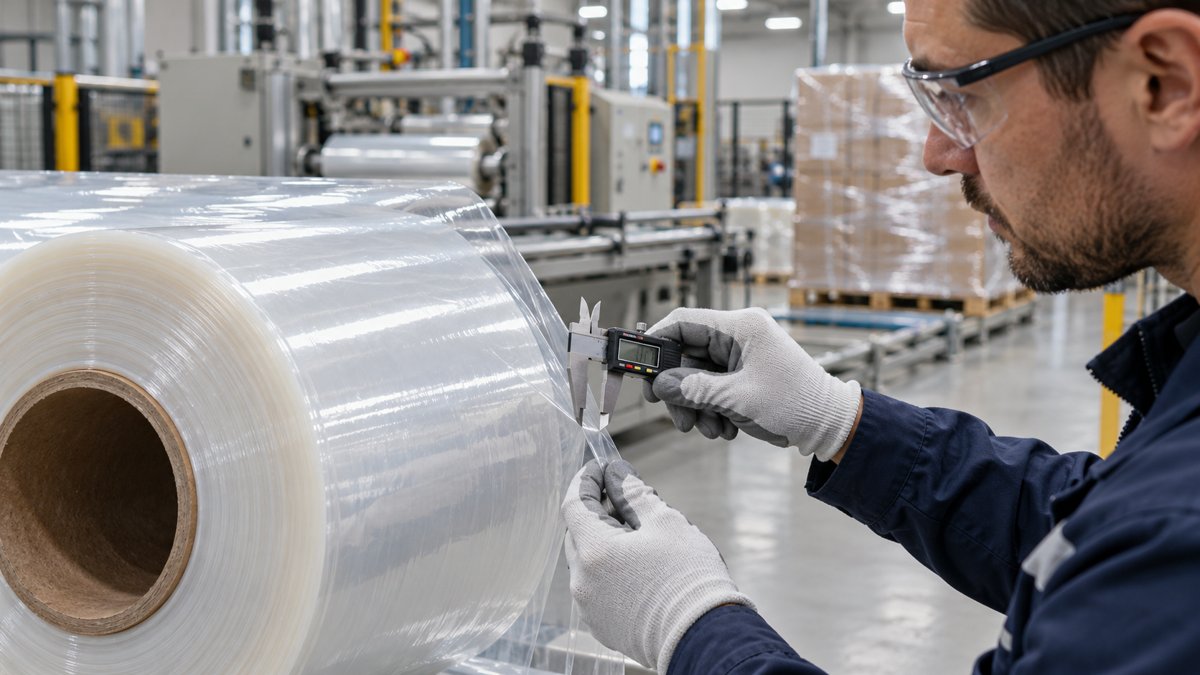
New guide
Thickness can influence strength and consumption, but film structure, product edges and machine settings matter too.
Read guide →
New guide
Machine compatibility involves more than roll width: the film path, sealing system and roll dimensions must all work together.
Read guide →
New guide
One tunnel temperature does not suit every product. Pack size, film gauge, airflow and conveyor speed all affect shrink results.
Read guide →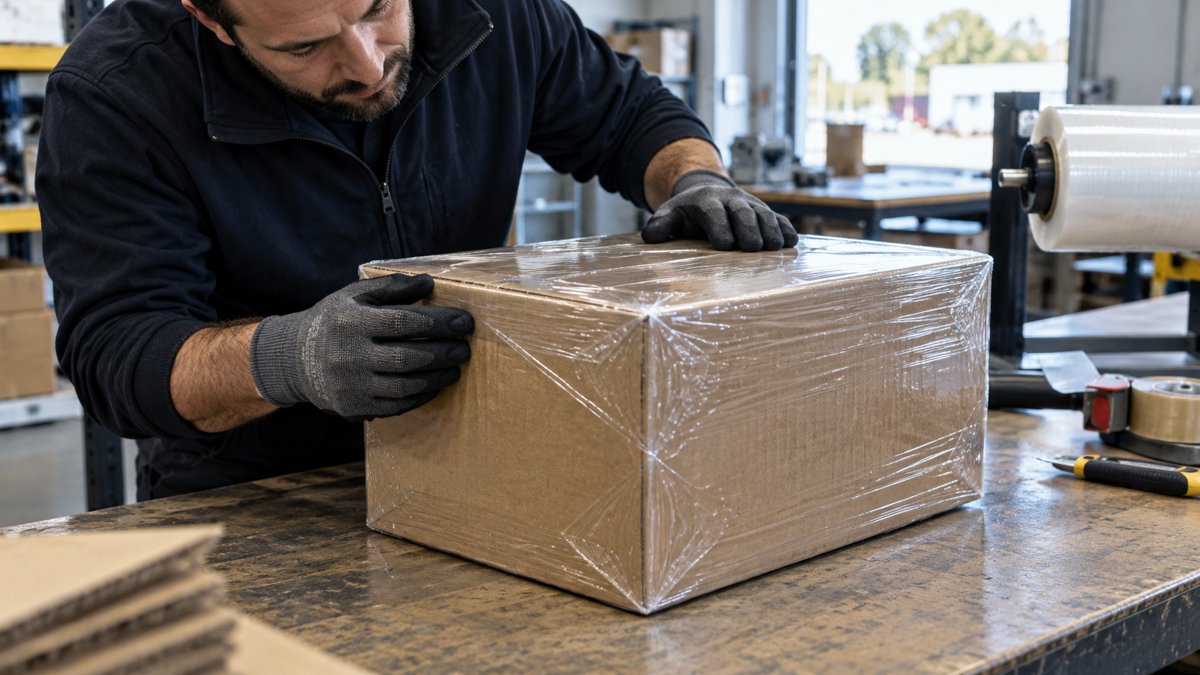
New guide
A tidy pack alone does not demonstrate adequate seal performance. Inspect seals against actual handling and distribution conditions.
Read guide →
New guide
Clear outer wrap can help group cosmetic cartons and keep a tidy presentation. Selection depends on the carton and product’s sensitivity.
Read guide →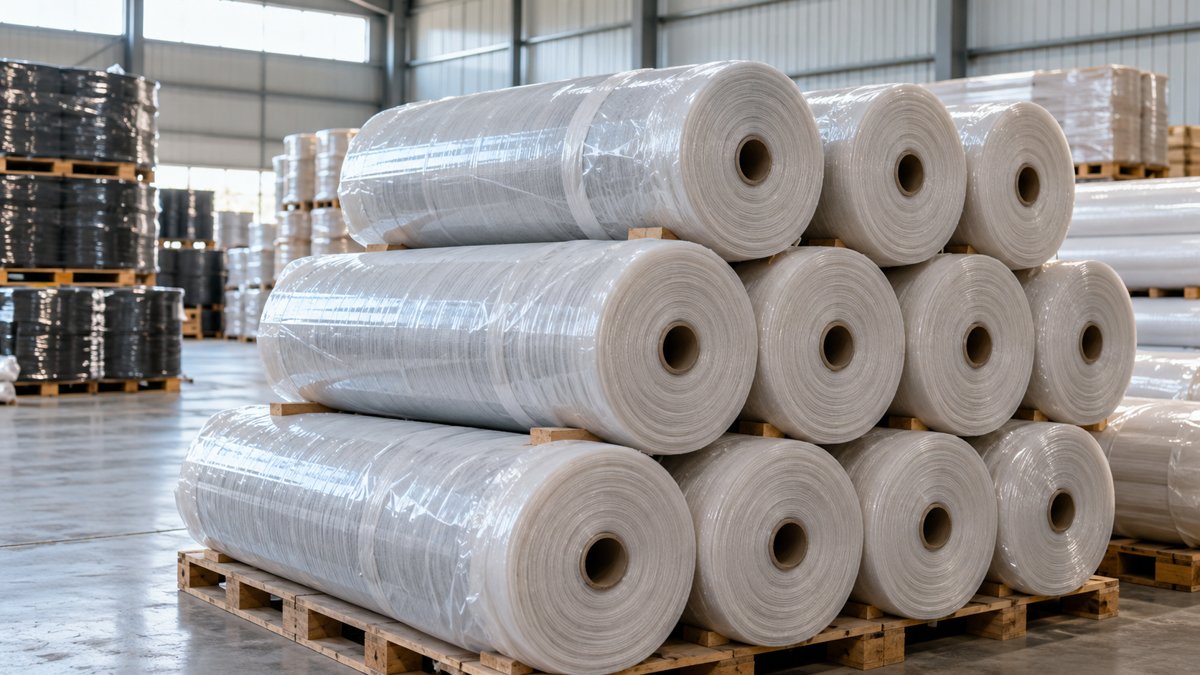
New guide
Proper storage helps reduce contamination and mechanical damage before use. Follow the supplier’s product-specific storage instructions.
Read guide →
New guide
Wrapped packs encounter handling throughout distribution. Representative trials help assess whether the entire packaging system protects the product.
Read guide →
New guide
Consistent quality requires checks on incoming rolls, machine settings and finished packs. Simple records help trace problems.
Read guide →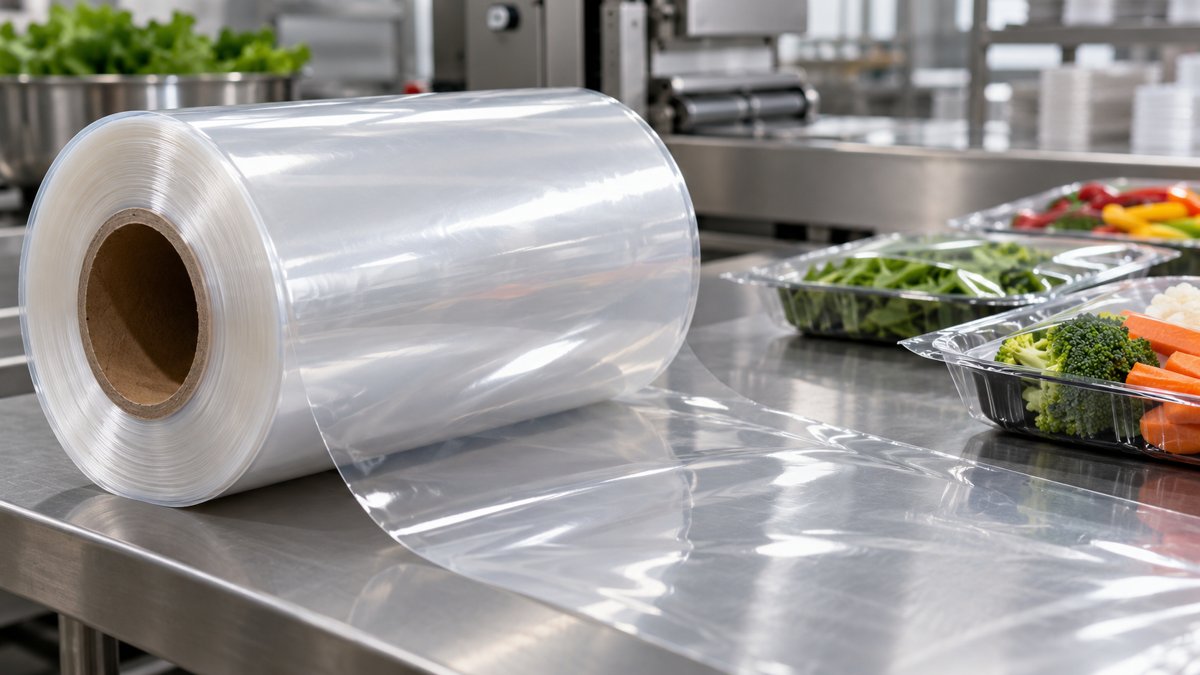
New guide
Anti-fog POF is a polyolefin shrink film designed to reduce visible fogging under certain conditions. Performance varies with the product and application.
Read guide →
New guide
Changes in temperature and humidity can create small droplets that obscure products. Anti-fog film can be designed to reduce this appearance.
Read guide →
New guide
Film appearance in refrigerated displays can be affected by the temperature difference between product and environment. Assess film choice in representativ
Read guide →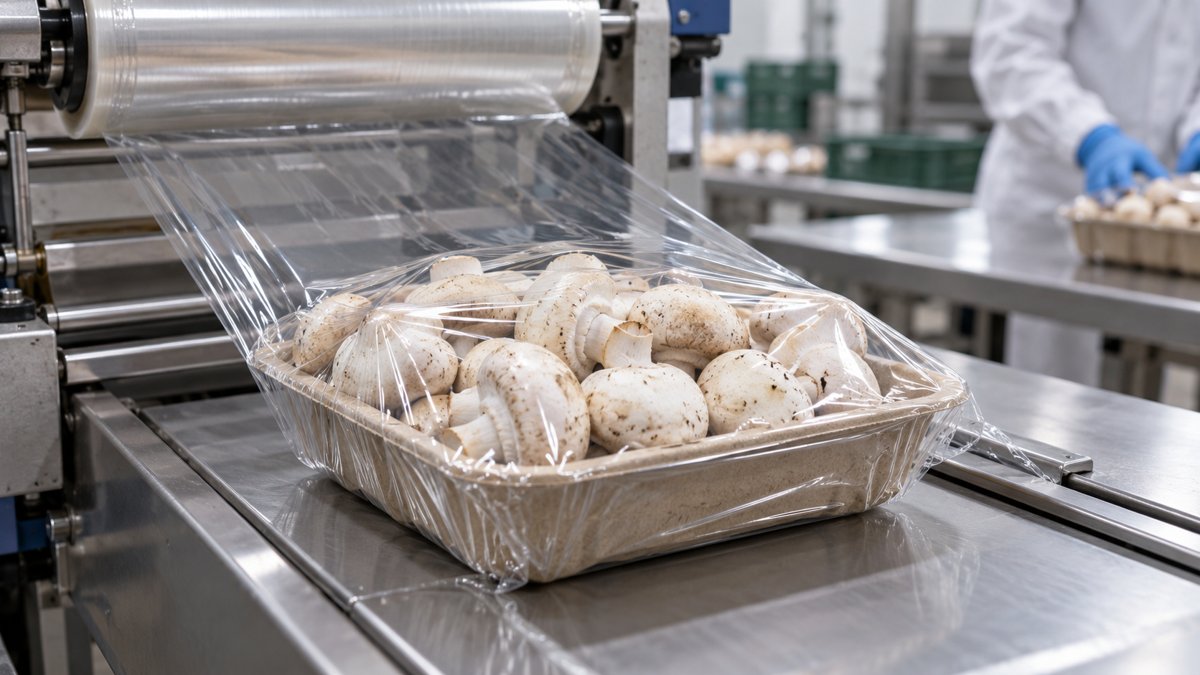
New guide
Vegetable moisture, packaging materials and storage conditions can affect film appearance. Consider product and line together.
Read guide →
New guide
Seal consistency matters to package integrity as well as anti-fog performance. Suitable settings depend on film and machinery.
Read guide →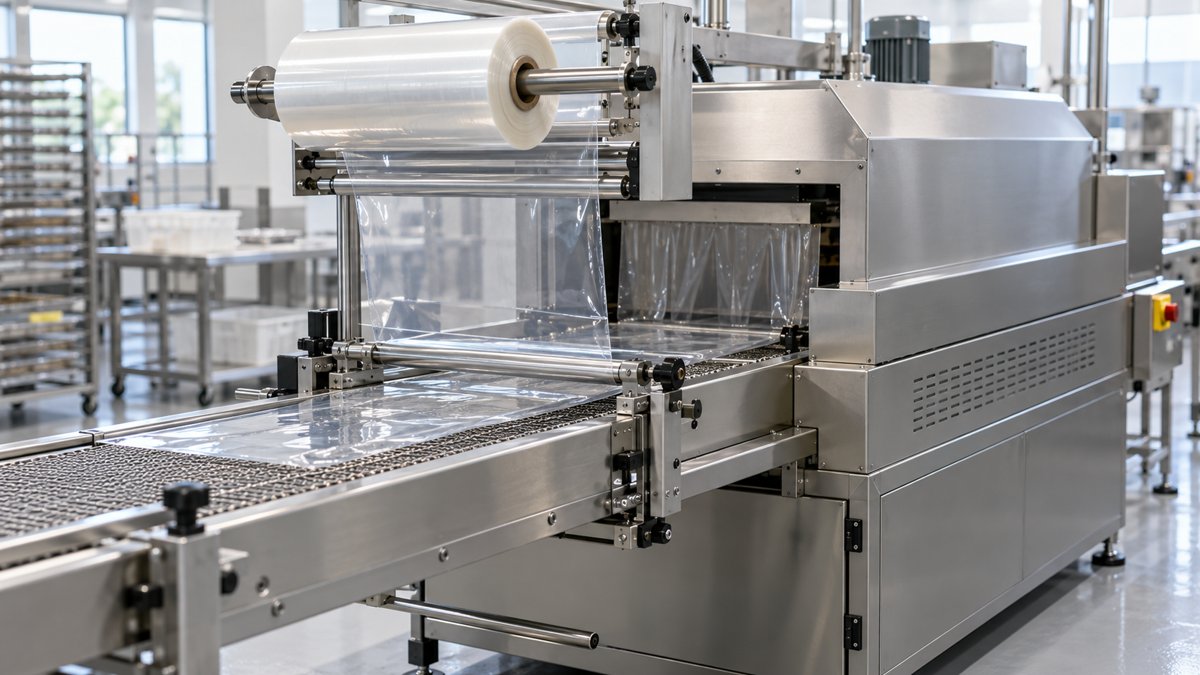
New guide
Film thickness, roll format and machine type affect packaging-line compatibility. Anti-fog properties do not guarantee suitability for every machine.
Read guide →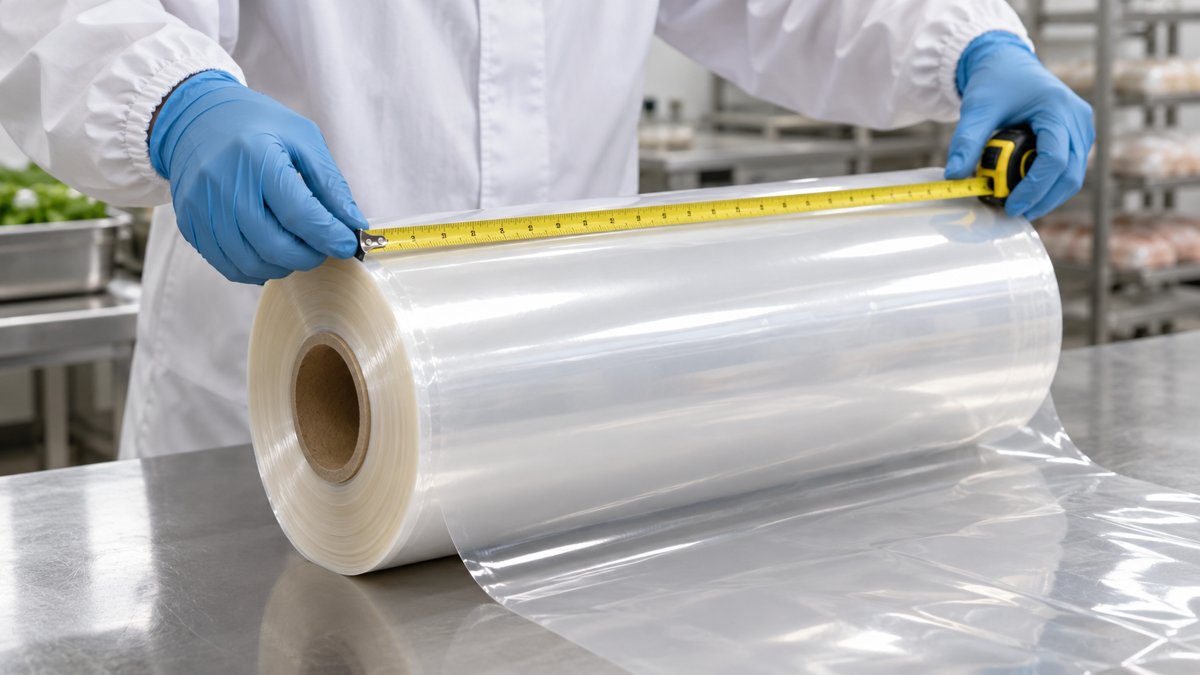
New guide
Suitable width and thickness depend on product dimensions, tray shape, machinery and transport conditions. No single size suits every pack.
Read guide →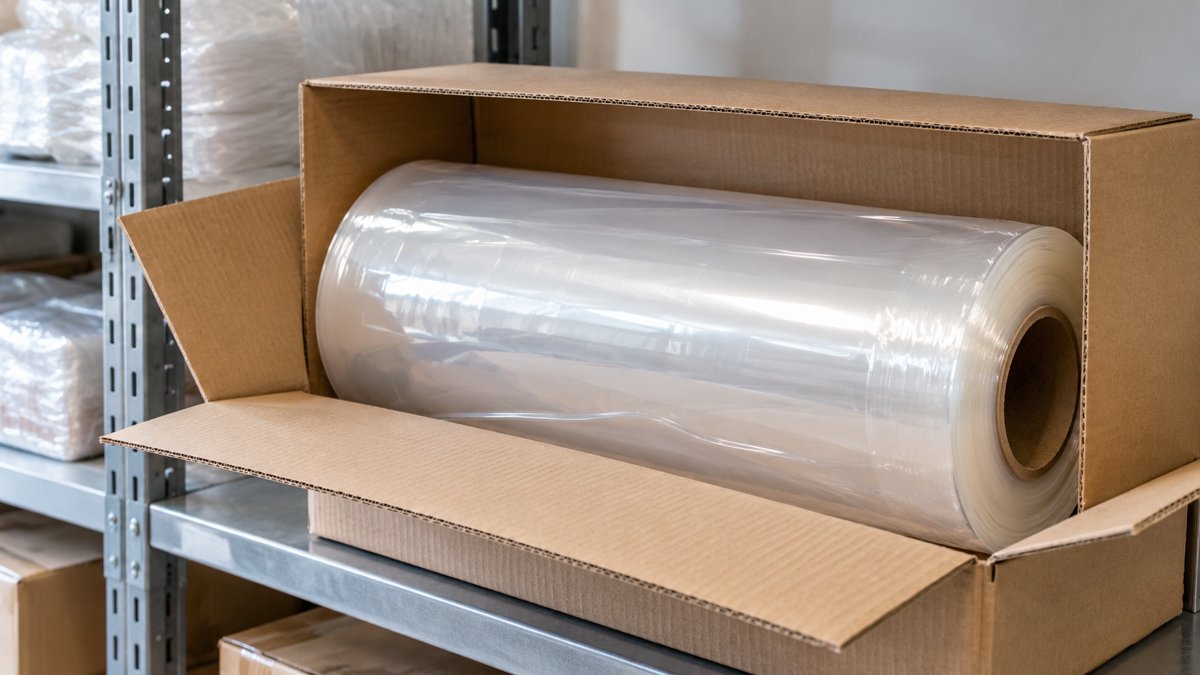
New guide
Roll packaging, temperature, humidity and physical damage matter during storage. Shelf life and conditions depend on the film manufacturer.
Read guide →
New guide
An anti-fog property does not automatically establish suitability for every food and condition. Compliance is assessed for the specific product and use.
Read guide →
New guide
Assess visibility, seals and film integrity together for anti-fog packs. Base the control plan on actual processing and storage conditions.
Read guide →
New guide
Greenhouse repair tape can be considered for some local damage to a greenhouse cover when the product is suitable. Construction and application conditions
Read guide →
New guide
Before repairing greenhouse film, inspect the location and size of the tear and the condition of surrounding film.
Read guide →
New guide
Dust, moisture and dirt can affect contact between repair tape and greenhouse film. Choose cleaning methods compatible with the cover and adhesive.
Read guide →
New guide
Consistent contact between repair tape and film depends on application technique and surface condition.
Read guide →
New guide
Greenhouse film around attachments and contact points can be affected by friction, tension and weather. Repair planning should include the cause of damage.
Read guide →
New guide
Consider damage size and the contact area required on sound film when choosing tape width. Roll length can be planned around maintenance needs.
Read guide →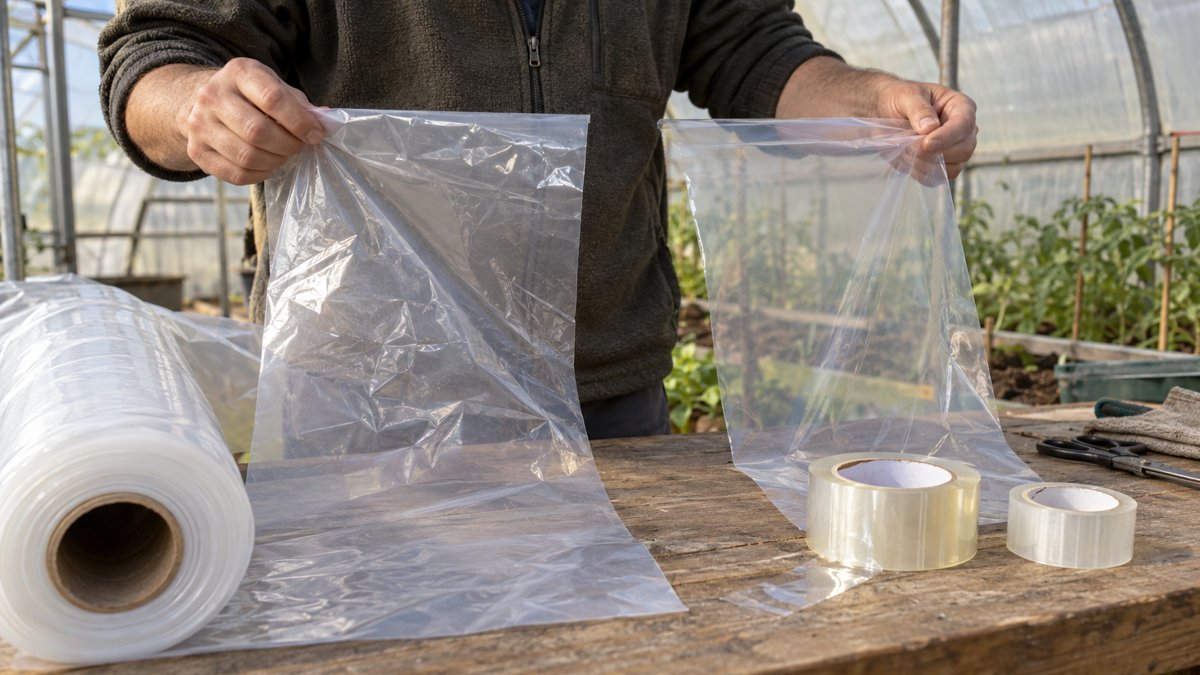
New guide
Greenhouse covers can use polyethylene film, but additives, ageing and surface conditions can affect tape compatibility.
Read guide →
New guide
Contact of pressure-sensitive repair tape with film depends on application. Required pressure and technique vary by product.
Read guide →
New guide
Shelf life and storage environment depend on the product data sheet. Contaminated or crushed rolls can complicate application.
Read guide →
New guide
Regular inspection of repaired film and tape edges can help identify new problems after a local repair.
Read guide →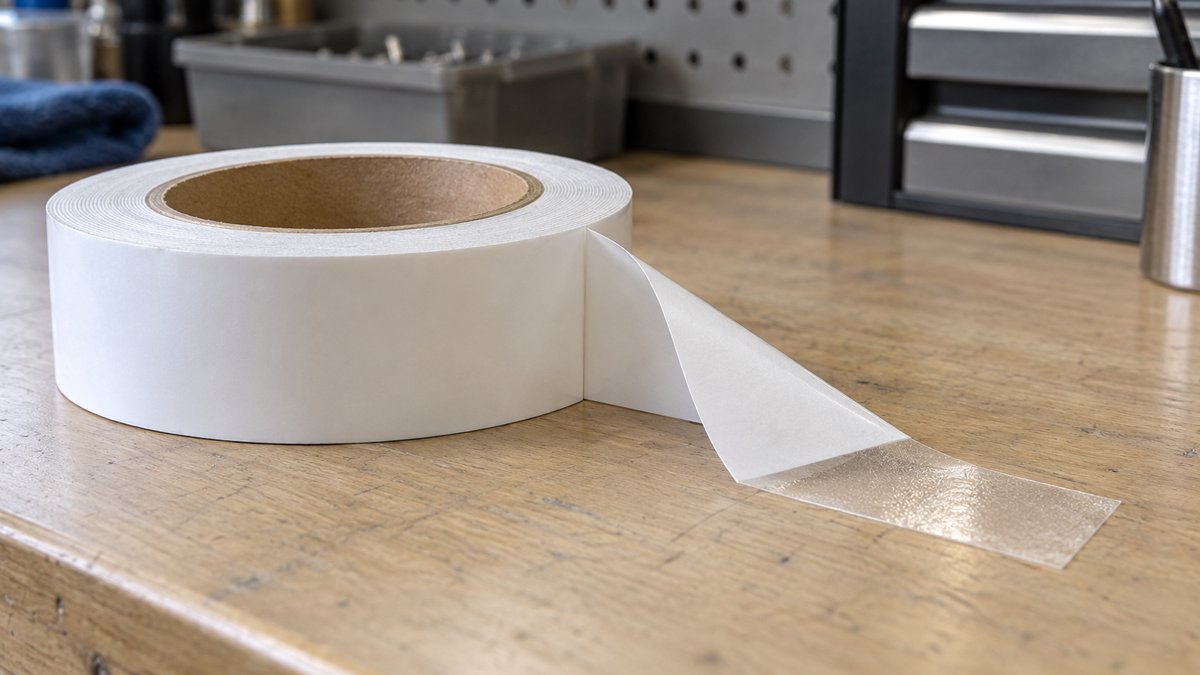
New guide
Double-sided tape is designed to bond two surfaces. Backing, adhesive and release liner vary with the product.
Read guide →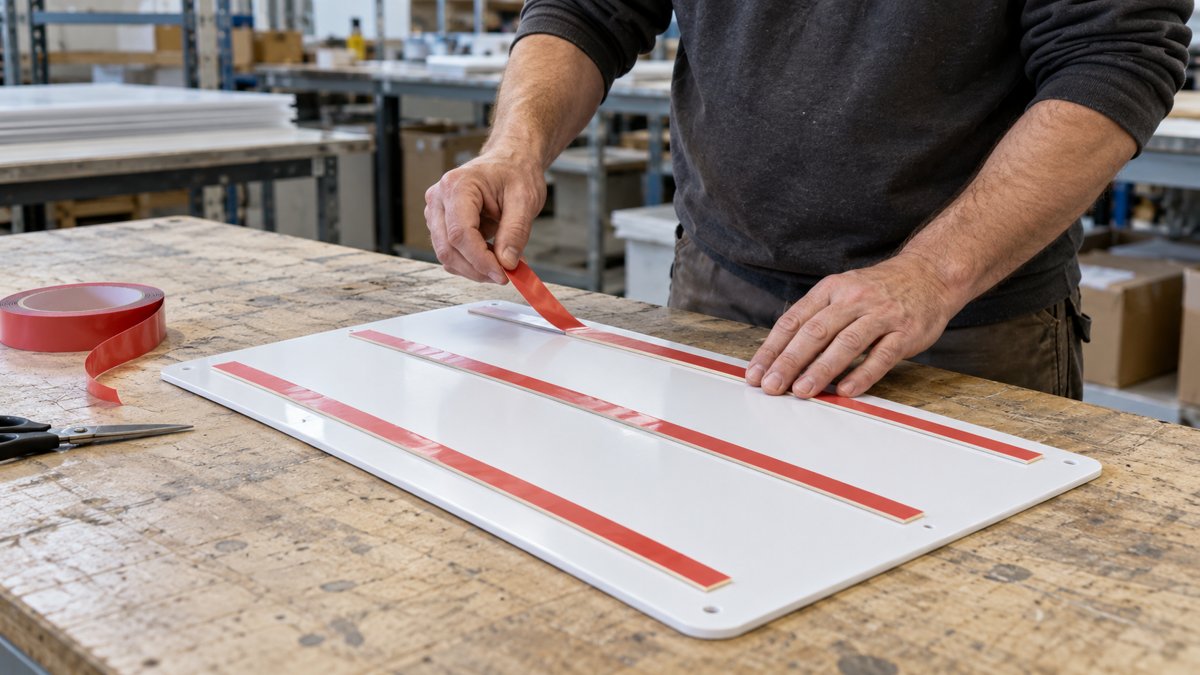
New guide
Tape selection for lightweight signs depends on sign material, mounting surface and environment.
Read guide →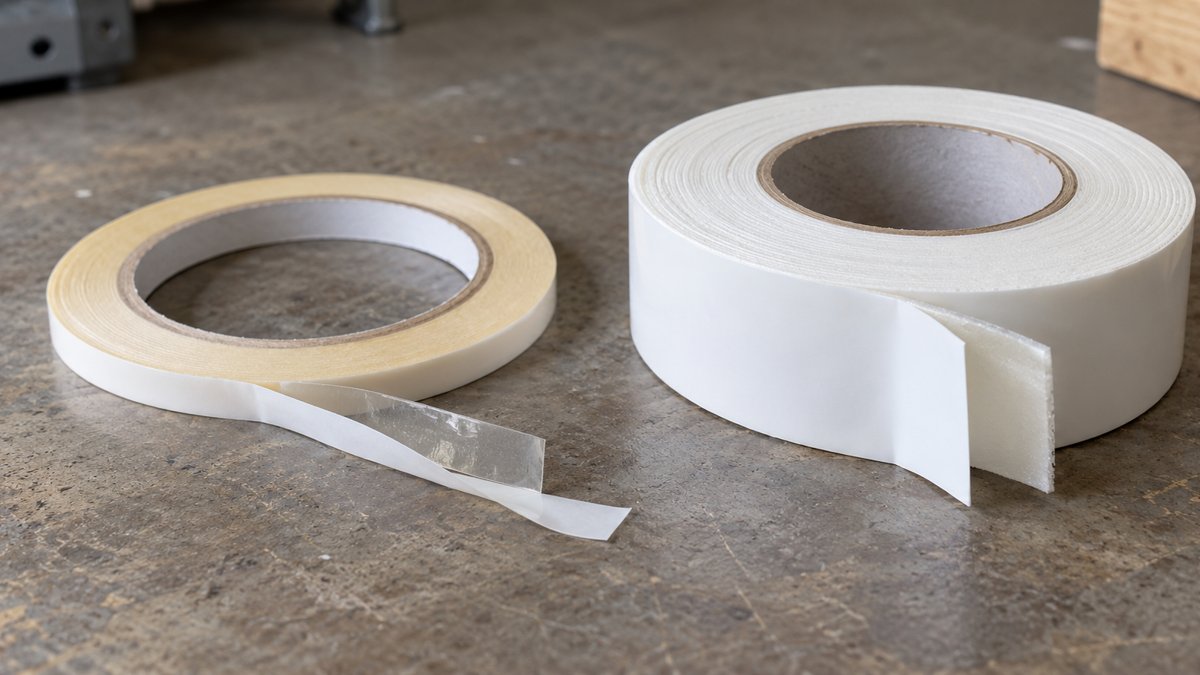
New guide
Double-sided tapes can use different backings, including foam or thin film, for different contact and application needs.
Read guide →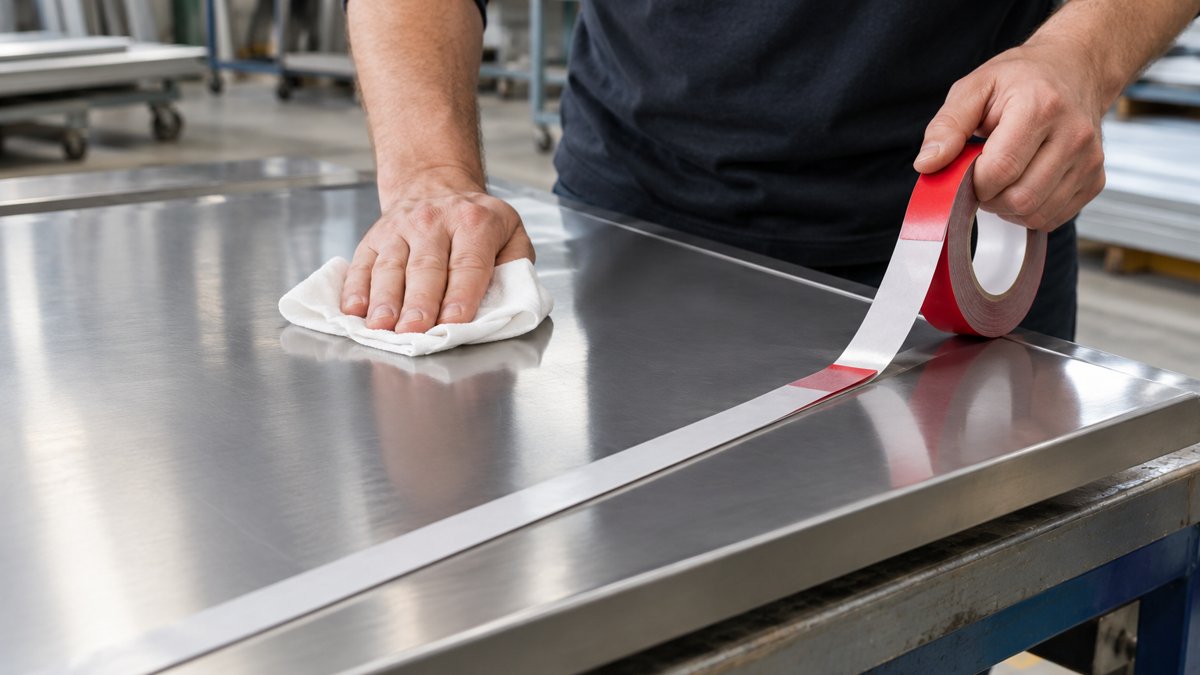
New guide
Both bonding surfaces need suitable preparation. Choose a cleaning method compatible with each material and product instructions.
Read guide →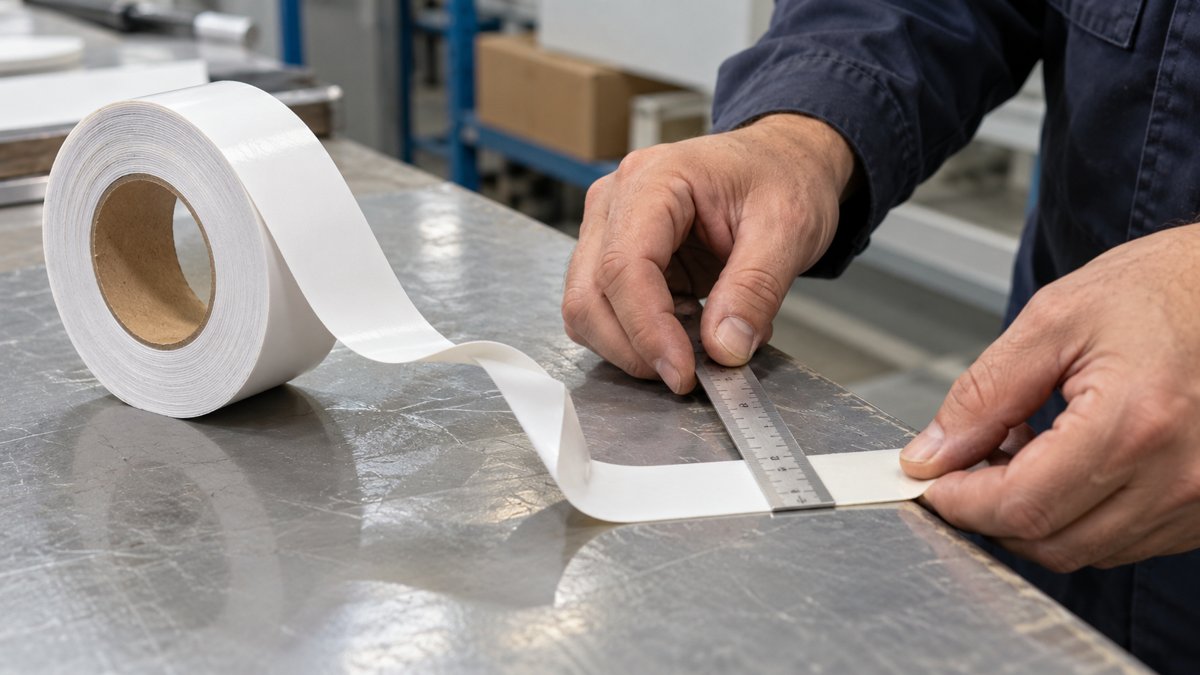
New guide
Tape width and bond area must be assessed with joint geometry. A larger area alone does not guarantee a safe installation.
Read guide →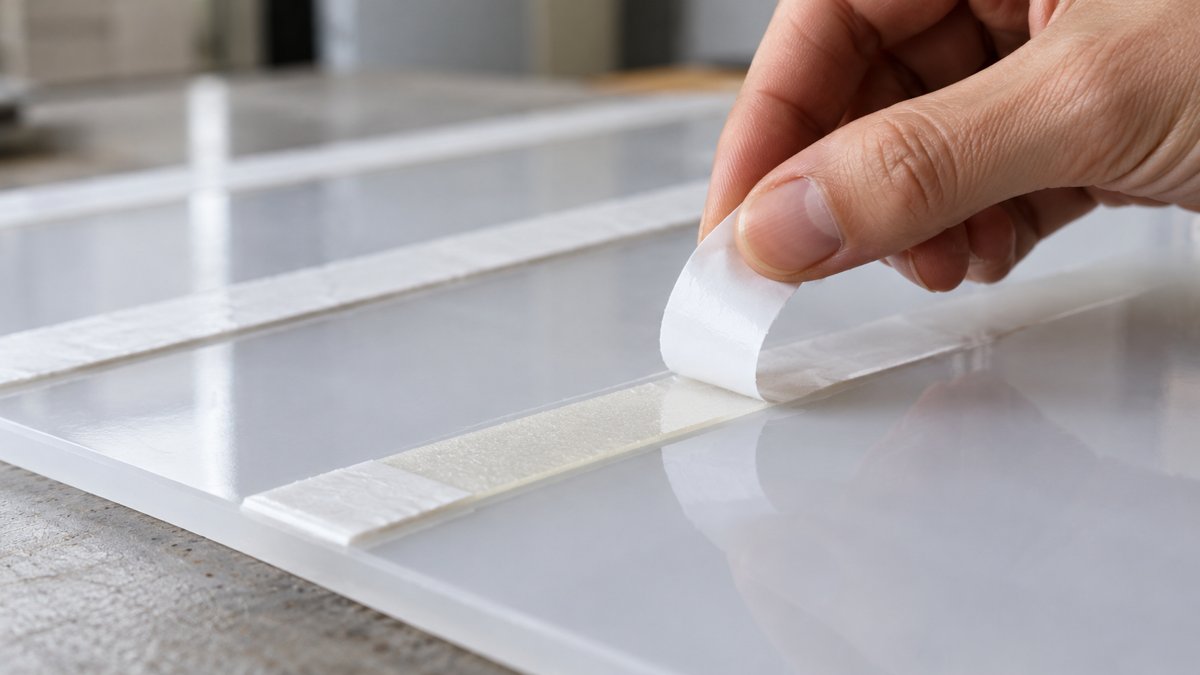
New guide
Release paper or film protects the adhesive surface before application. Liner construction and removal differ by product.
Read guide →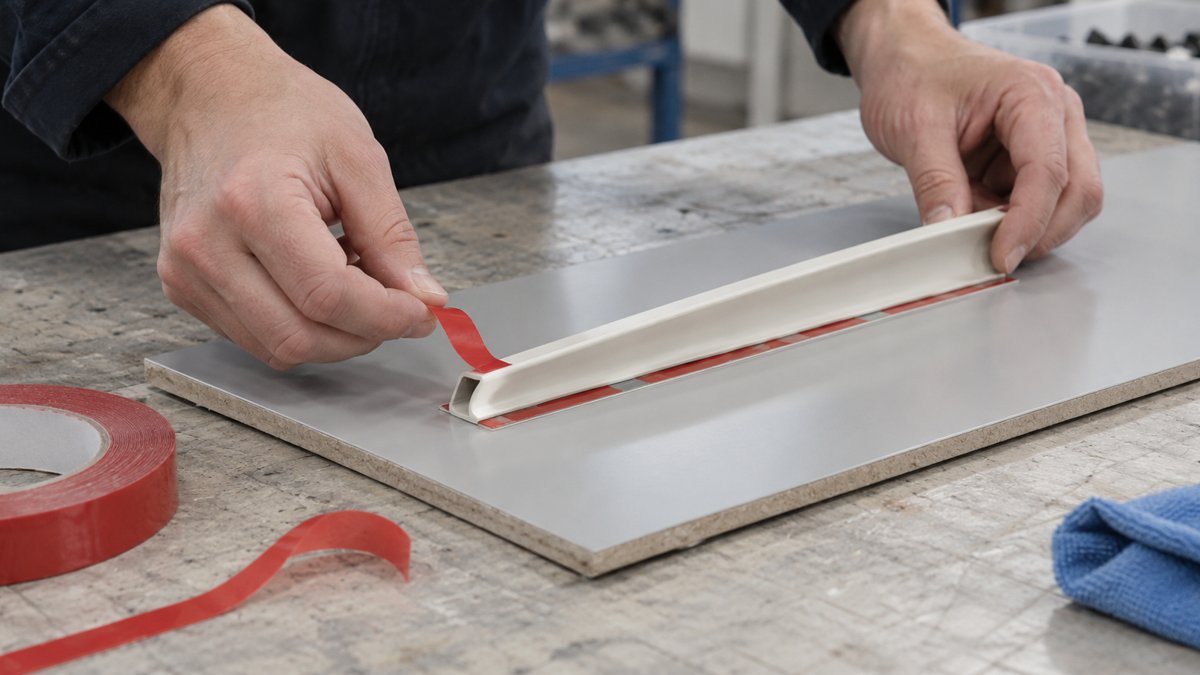
New guide
Plastic type and surface treatment affect bonding. Different plastics should not be assumed to perform identically with one tape.
Read guide →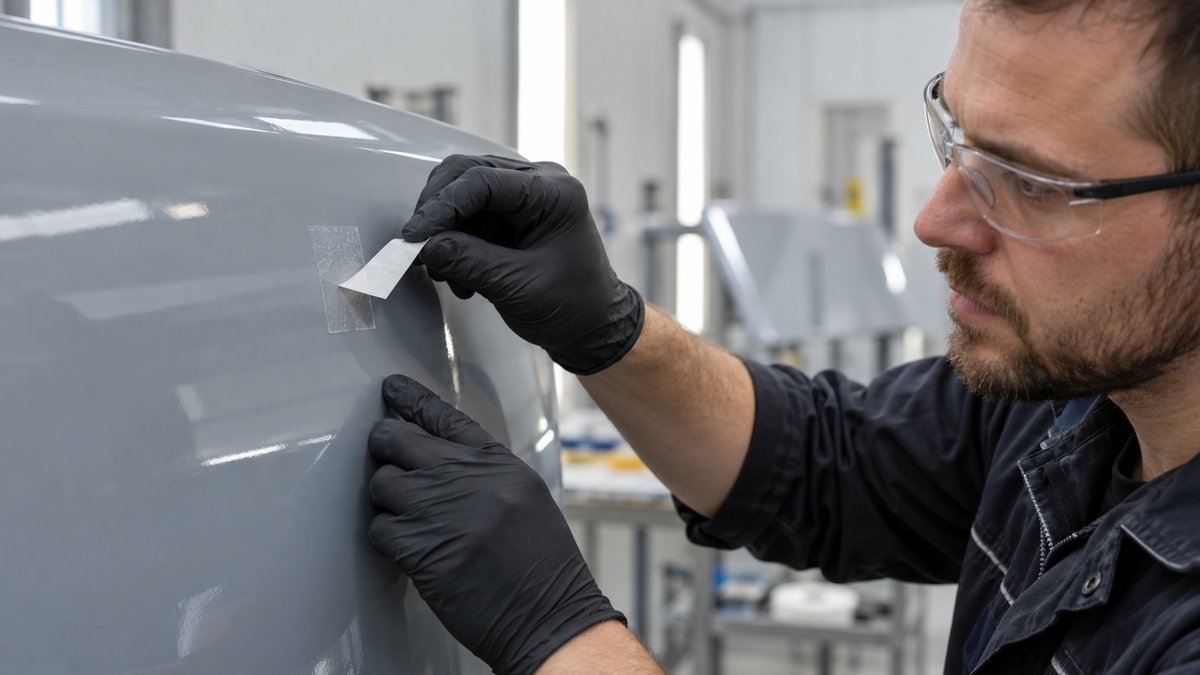
New guide
Contact of a pressure-sensitive adhesive depends on application. Recommended pressure and time before loading may differ by product.
Read guide →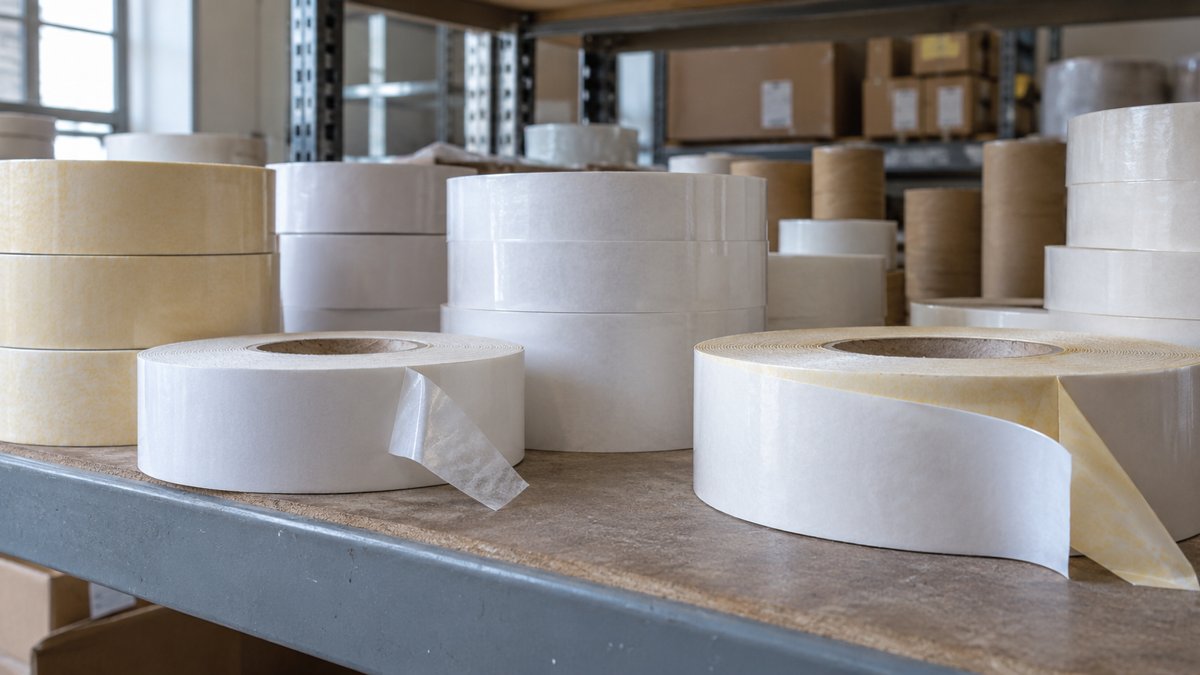
New guide
Storage conditions can affect the tape and release liner. Check shelf life and environmental limits in the product data sheet.
Read guide →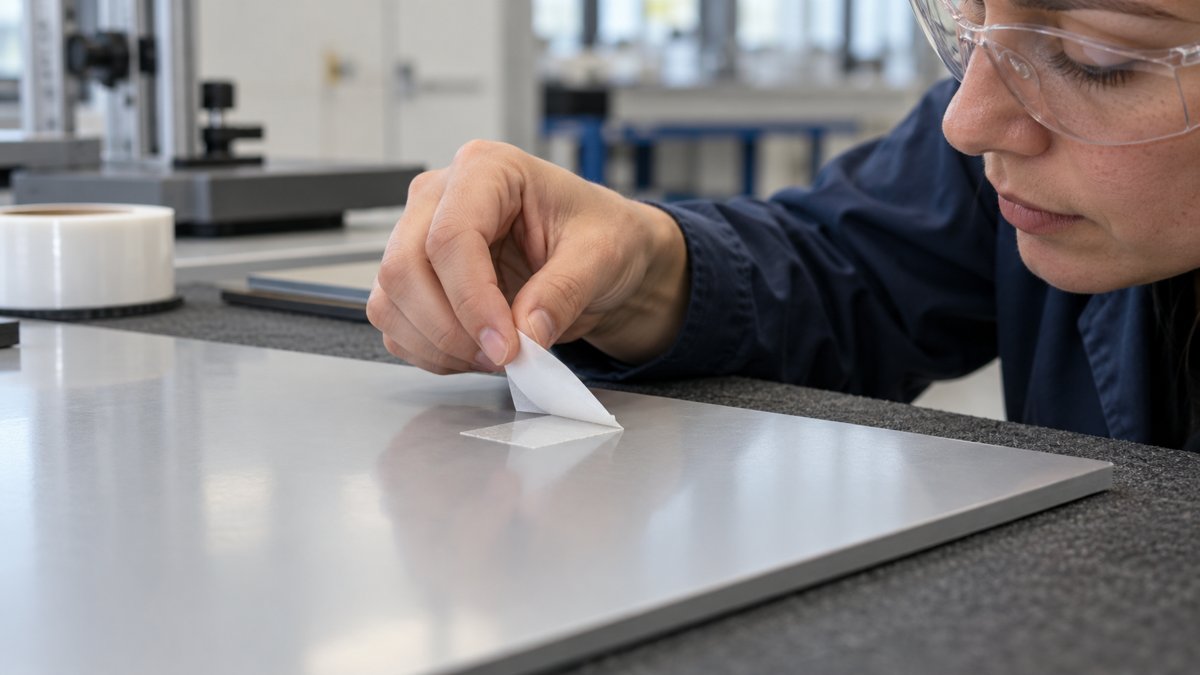
New guide
Removal behaviour varies with adhesive, substrate, temperature and dwell time. Not every tape is designed for clean removal.
Read guide →
New guide
PVC tape refers to a family of tapes with a polyvinyl chloride backing and adhesive. Construction, adhesive and intended application vary by product.
Read guide →
New guide
For cable identification, assess colour durability, surface compatibility and the organisation’s marking system.
Read guide →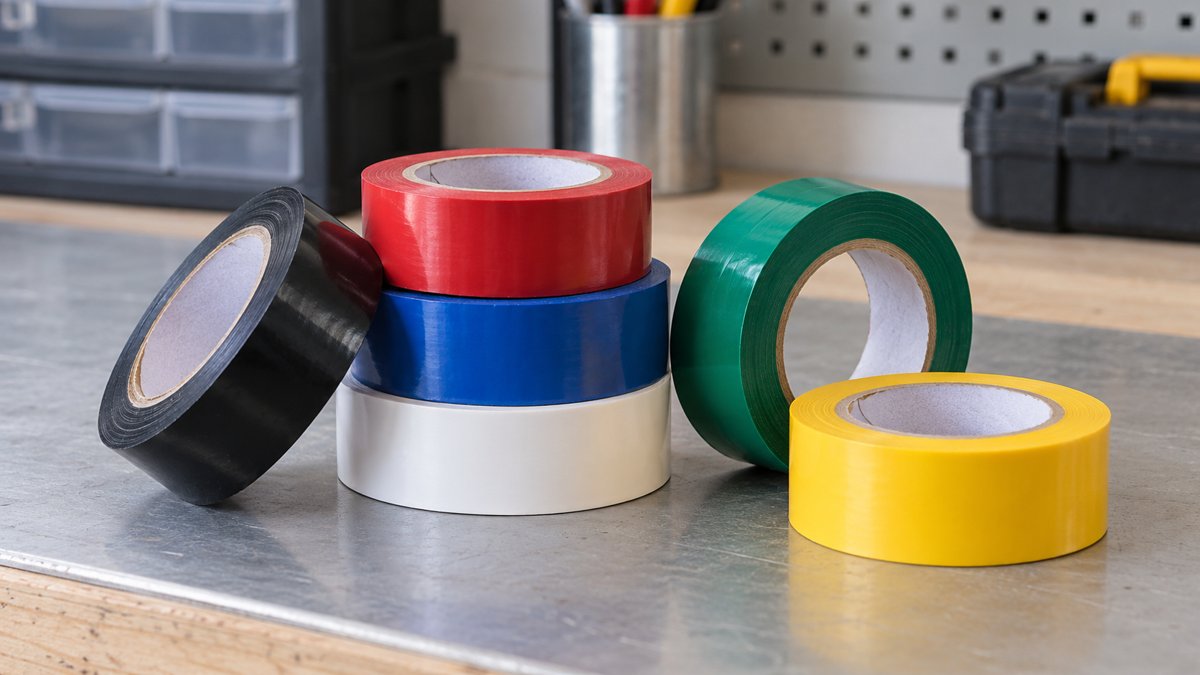
New guide
Depending on the product, coloured PVC tape can be considered for visual identification and separation. Colour alone does not establish technical suitabili
Read guide →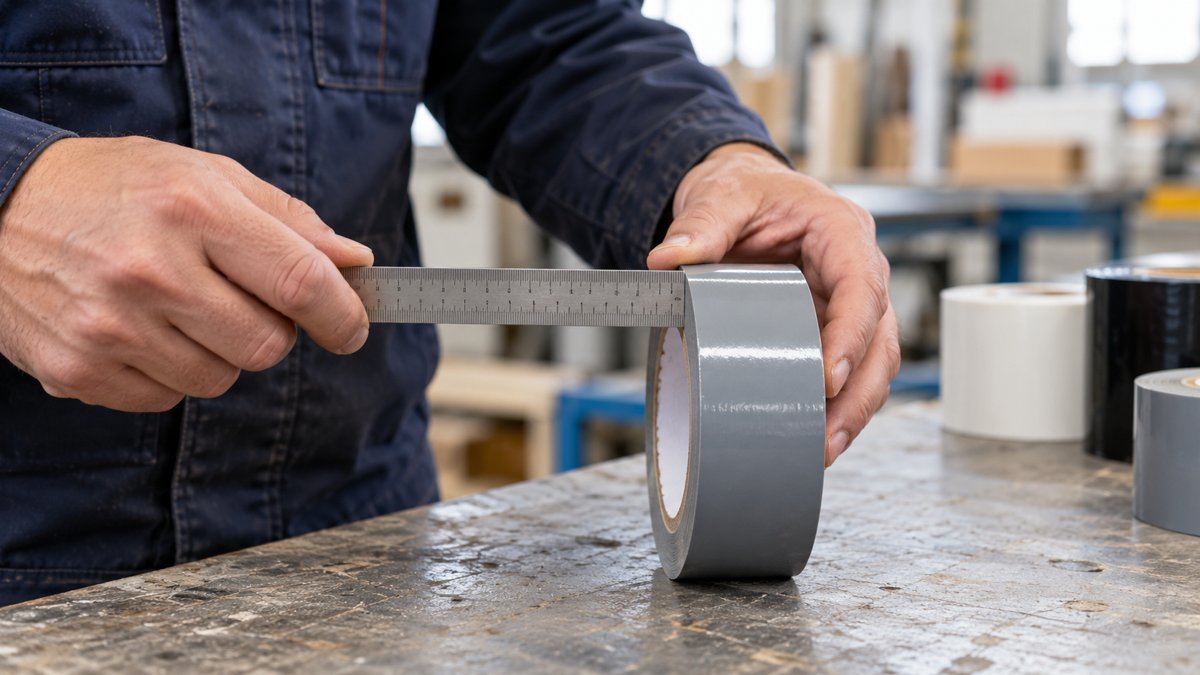
New guide
Select tape width and roll dimensions together with substrate geometry and any application equipment.
Read guide →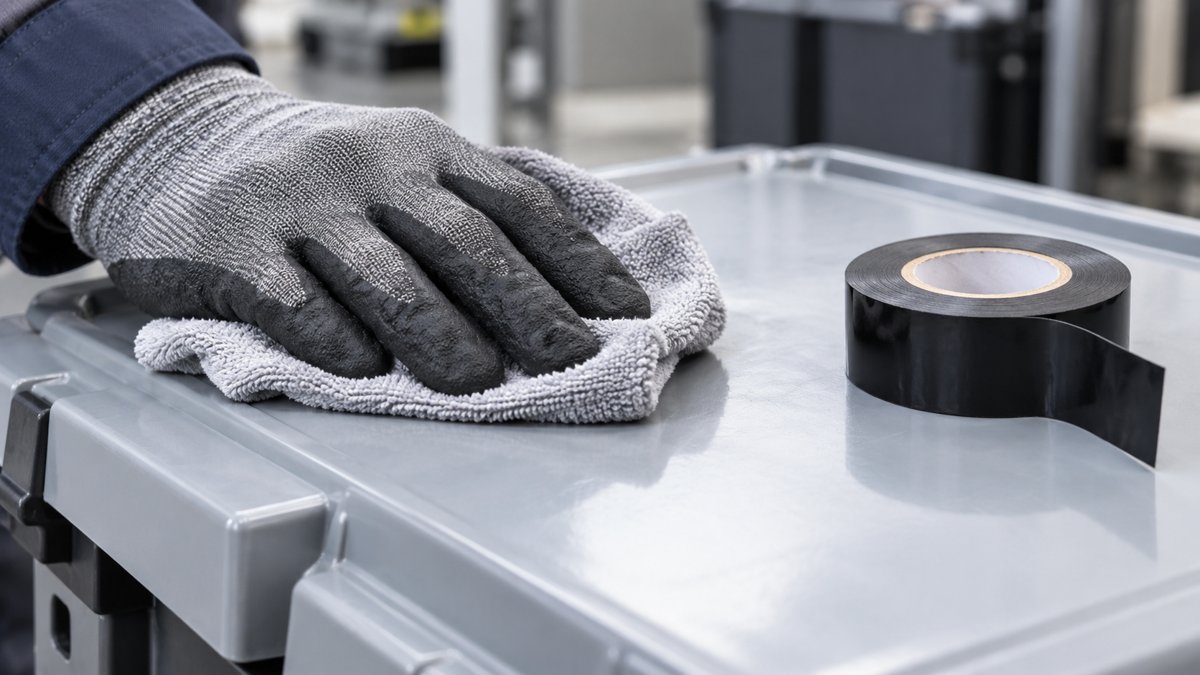
New guide
Dust, oil and moisture can affect contact between adhesive and substrate. Choose preparation according to the surface and product instructions.
Read guide →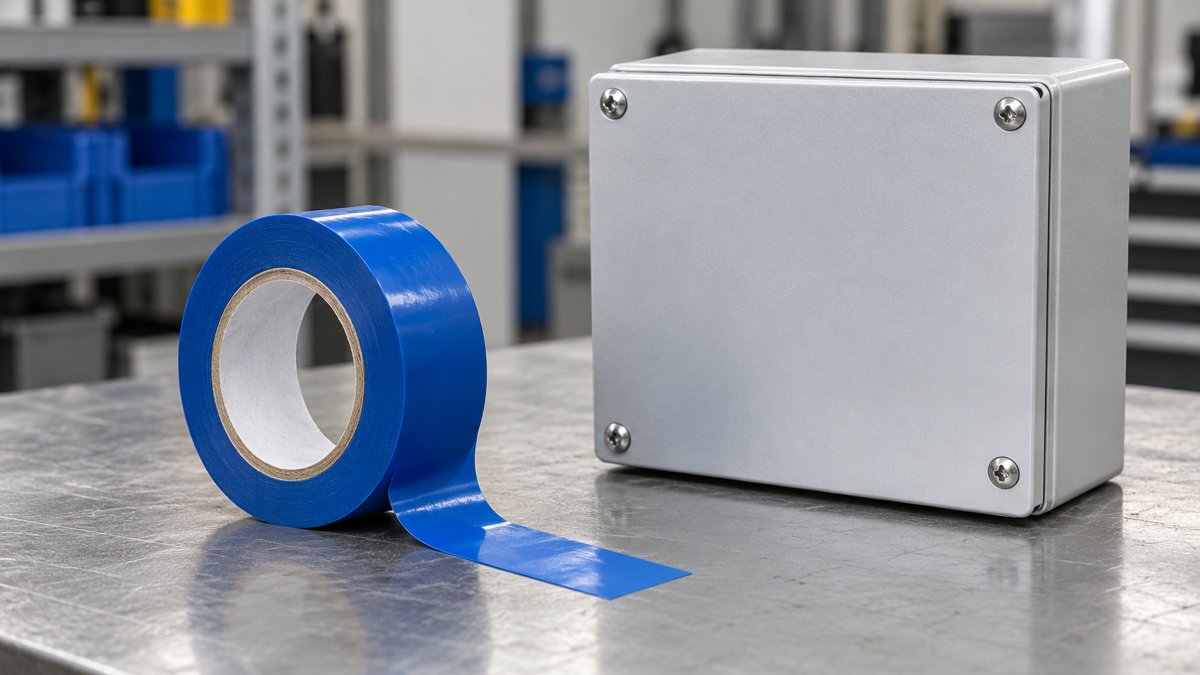
New guide
The same tape may adhere differently to metal and plastic. Plastic type, coatings and cleanliness influence the result.
Read guide →
New guide
Some PVC tapes can be considered for visual identification on compatible surfaces and in suitable environments. Colour selection depends on site procedures
Read guide →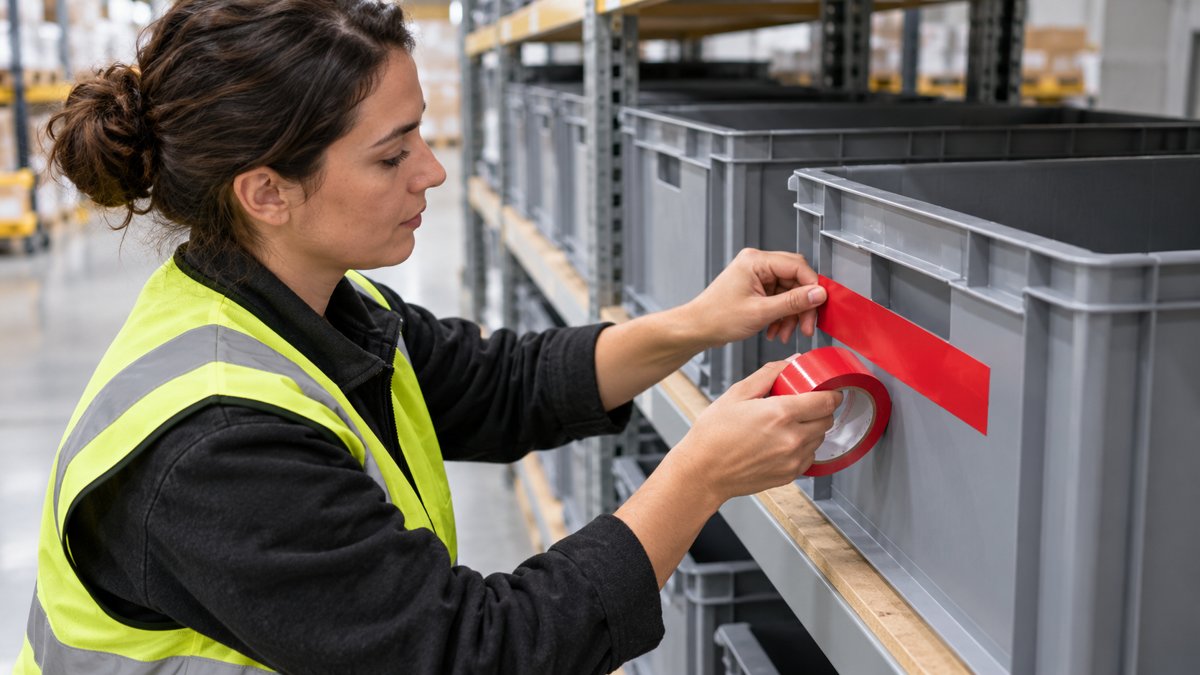
New guide
Suitable coloured tapes can be considered for visually distinguishing warehouse bins or shelves. Removal expectations and surface durability matter.
Read guide →
New guide
Storage can affect the condition of PVC tape rolls and adhesive. Obtain actual shelf life and temperature limits from the specific data sheet.
Read guide →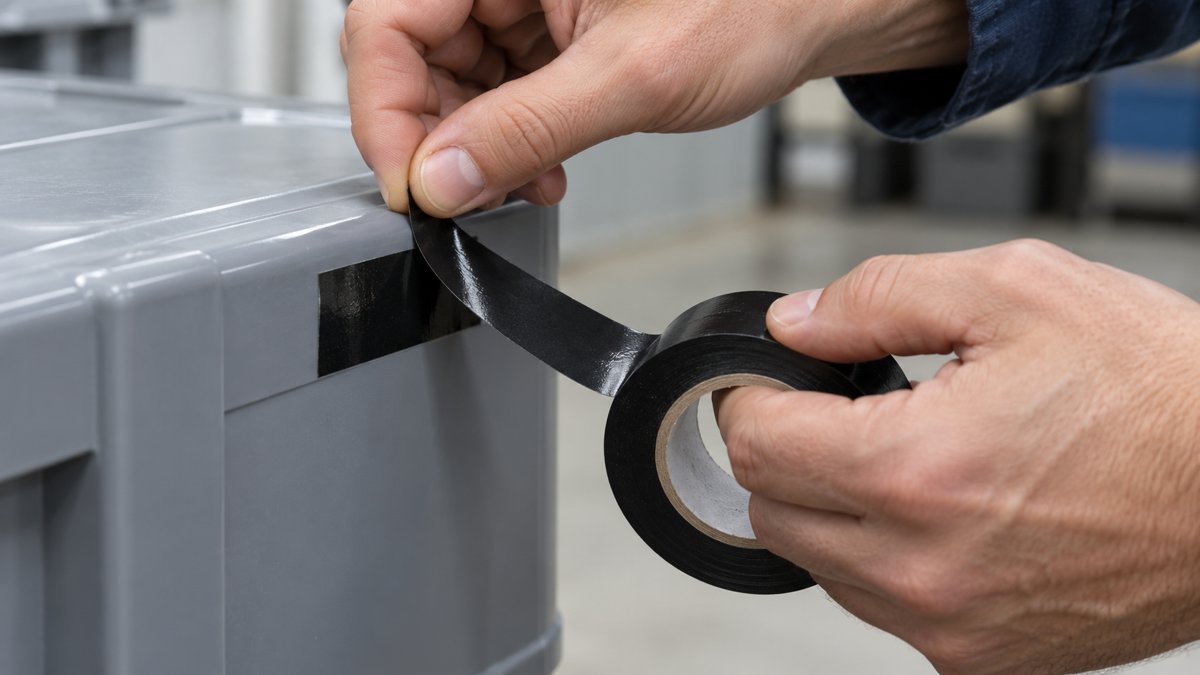
New guide
Residue after removing PVC tape depends on substrate, adhesive, temperature and dwell time. Not every tape removes without a trace.
Read guide →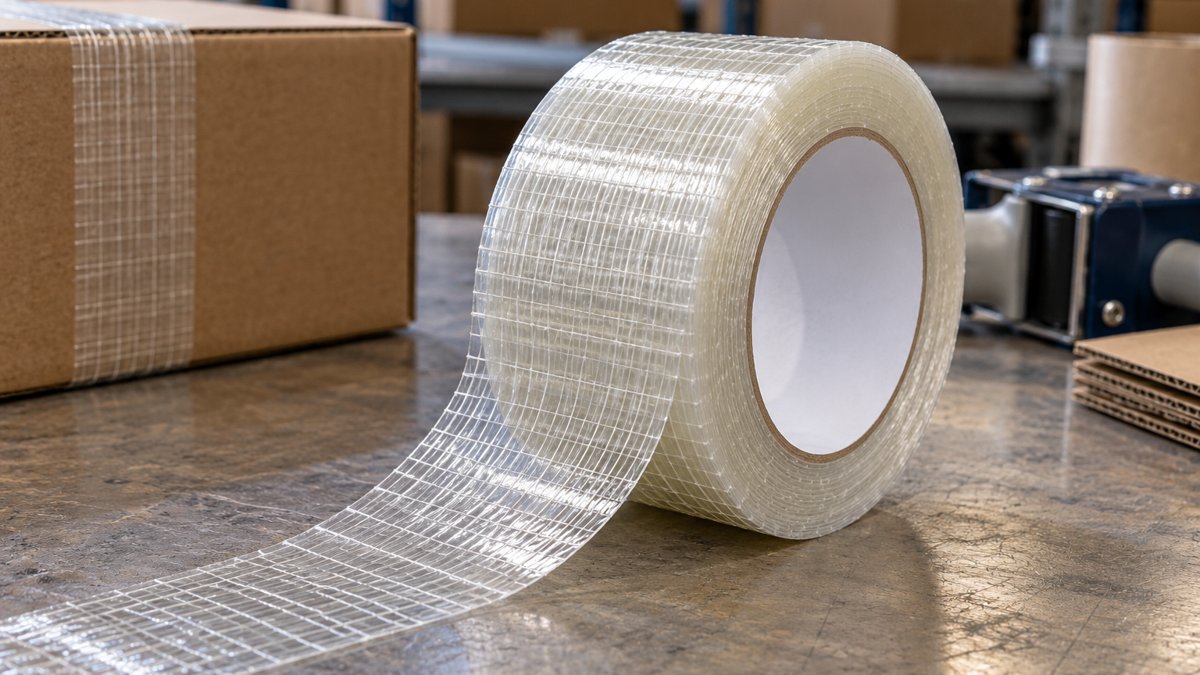
New guide
Bidirectional filament tape has reinforcing fibres along both the length and width of its backing. Adhesive and backing materials depend on the product des
Read guide →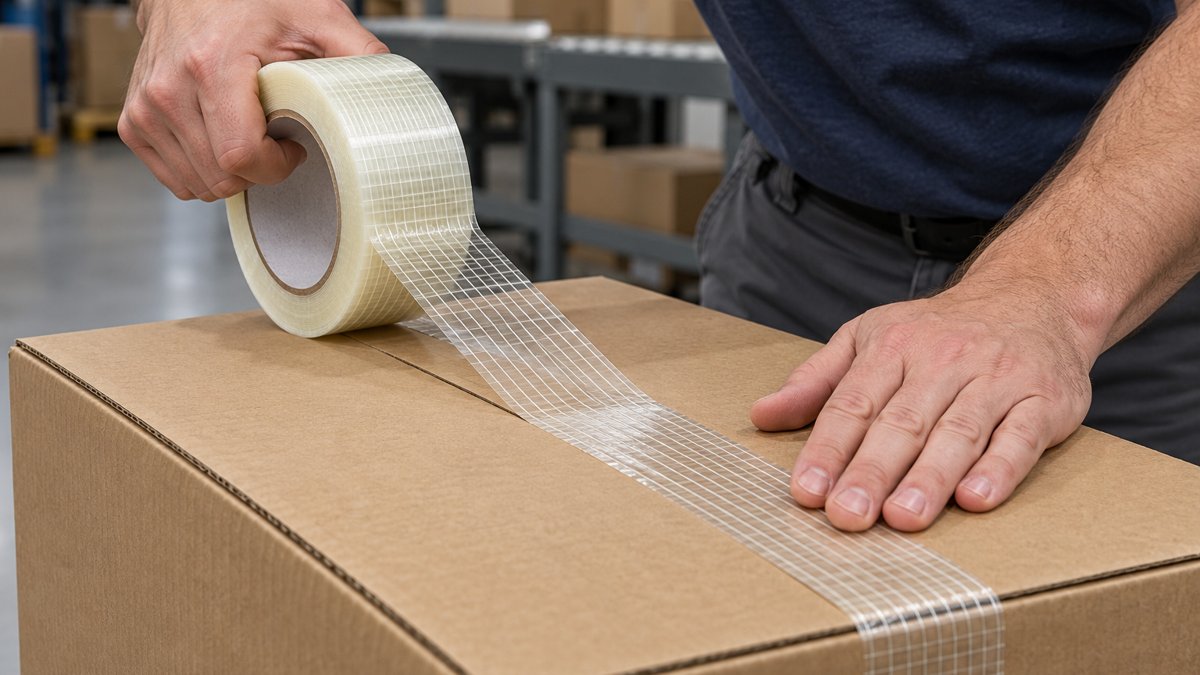
New guide
A carton centre seam deserves attention when selecting tape and designing the sealing pattern. Cross filament tape may be an option with a compatible carto
Read guide →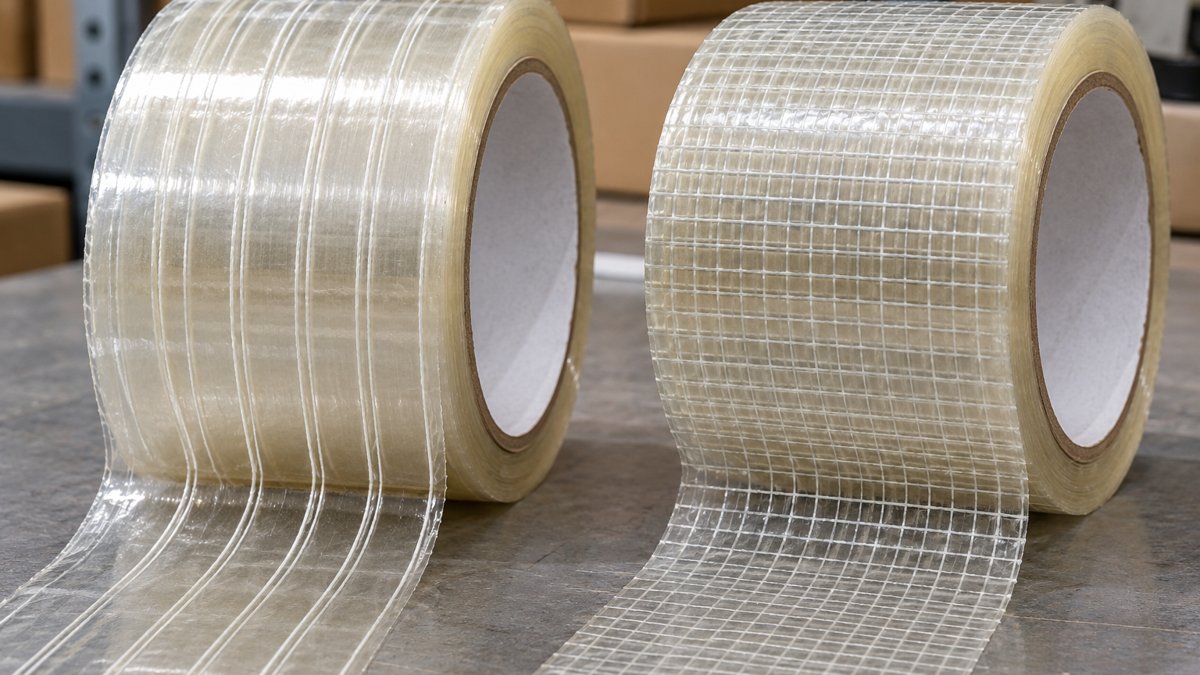
New guide
Mono filament tape generally reinforces along its length, while cross filament tape also reinforces across the width. Construction and performance differ b
Read guide →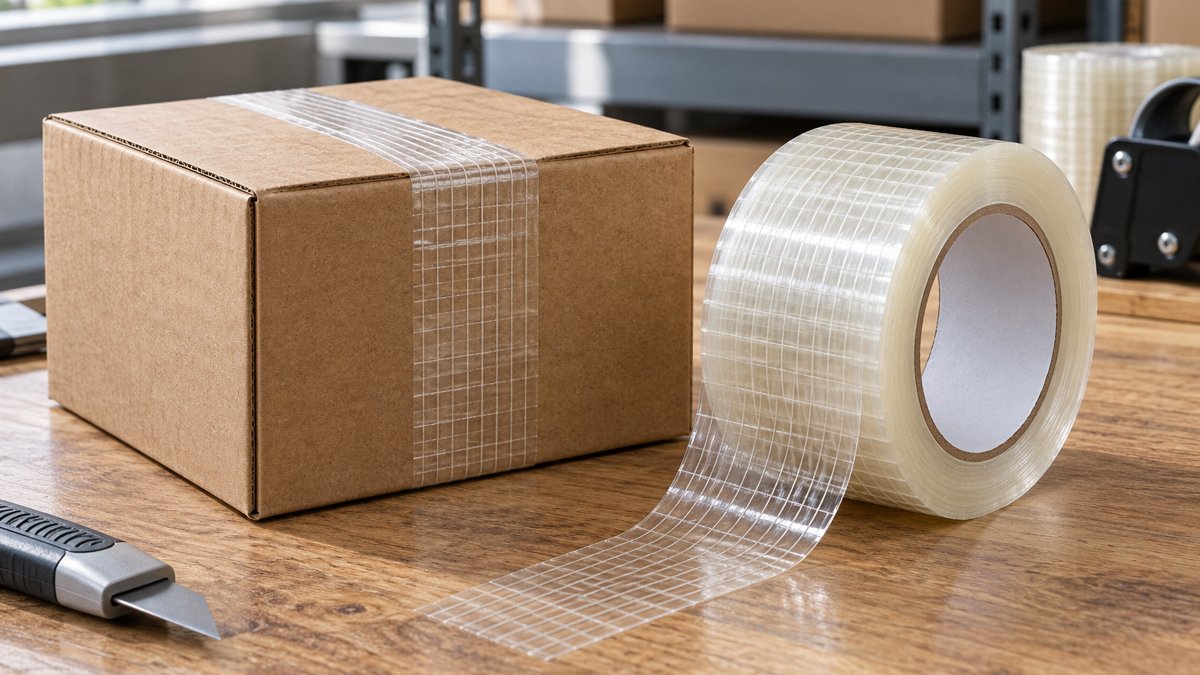
New guide
E-commerce orders range from small boxes to heavier multi-item shipments. Tape choice should complement carton design and distribution.
Read guide →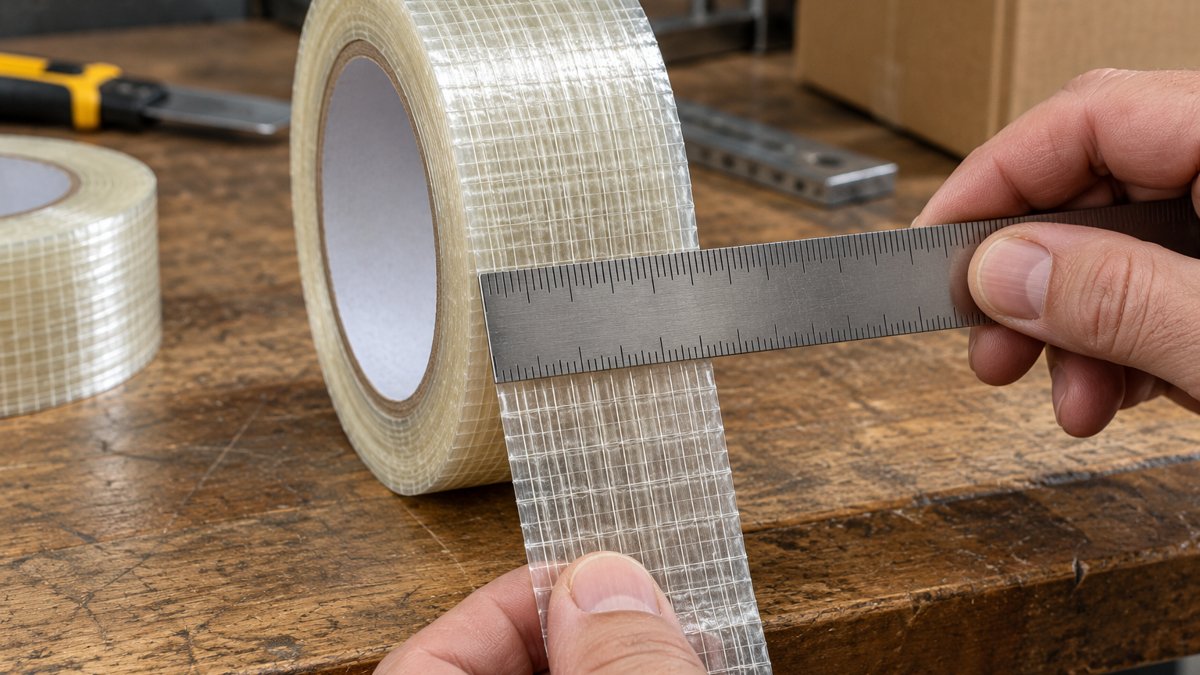
New guide
Consider joint size and the area of tape contacting both surfaces when selecting tape width. Roll size must also fit the applicator.
Read guide →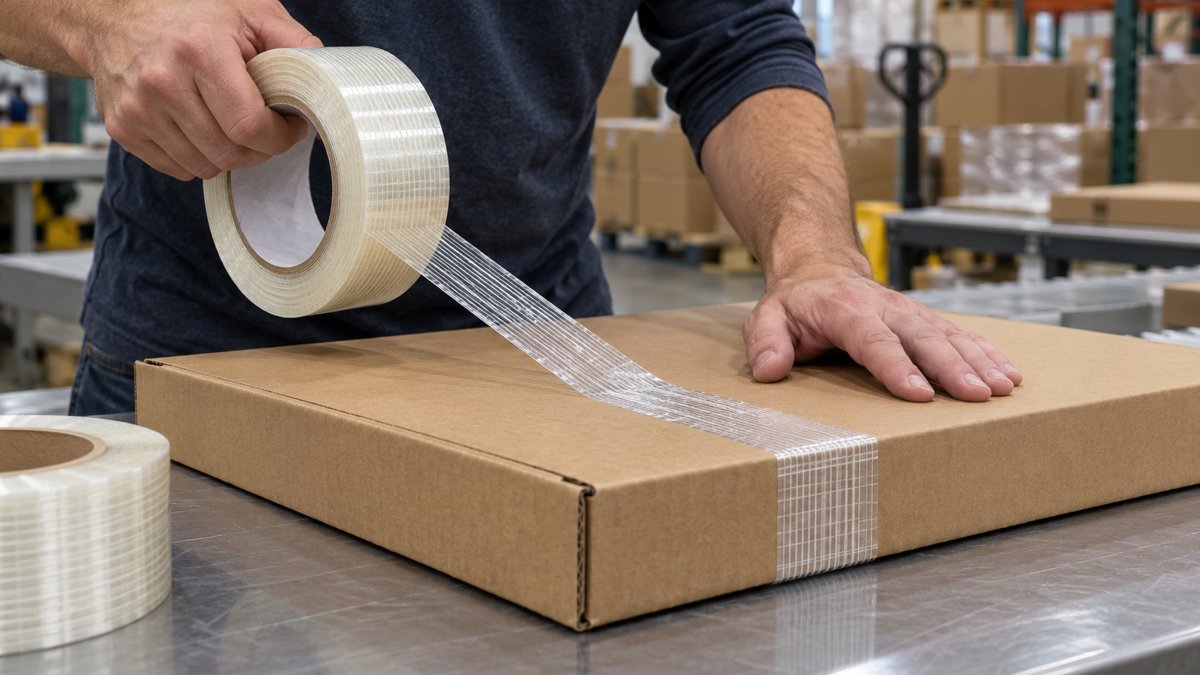
New guide
Suitable cross filament tapes can be considered for holding some light parts together. Shape, surface and handling determine selection.
Read guide →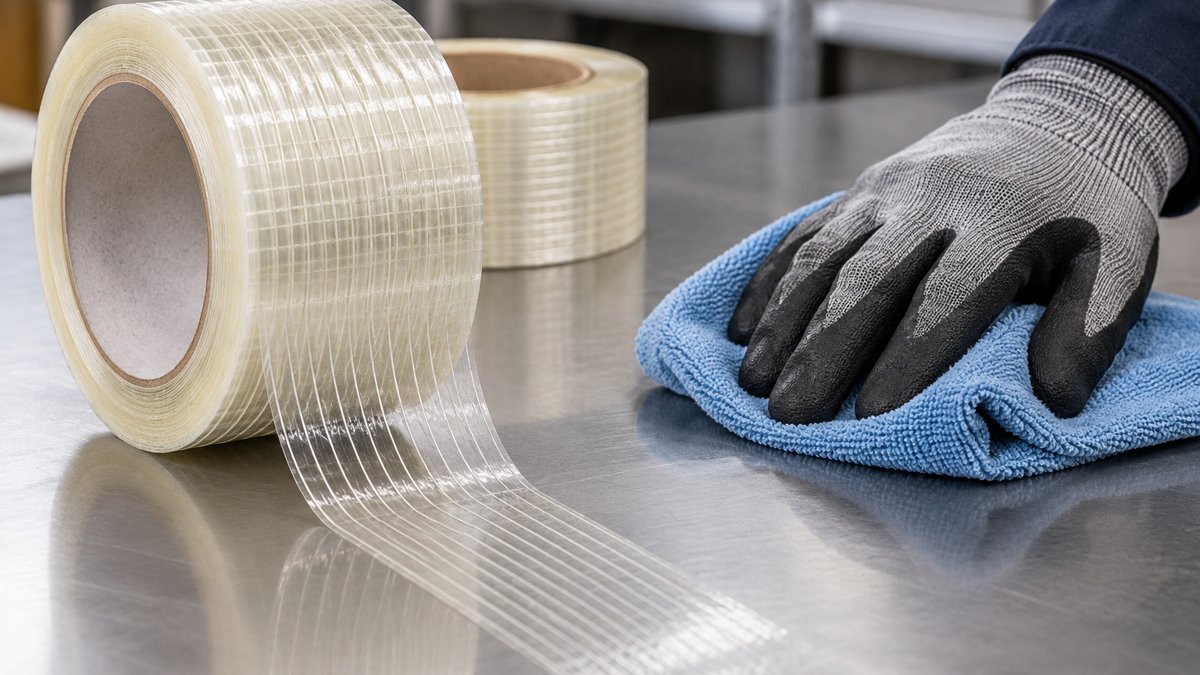
New guide
Dusty, damp or damaged cardboard can prevent full tape contact. Assess carton condition and environment when choosing tape.
Read guide →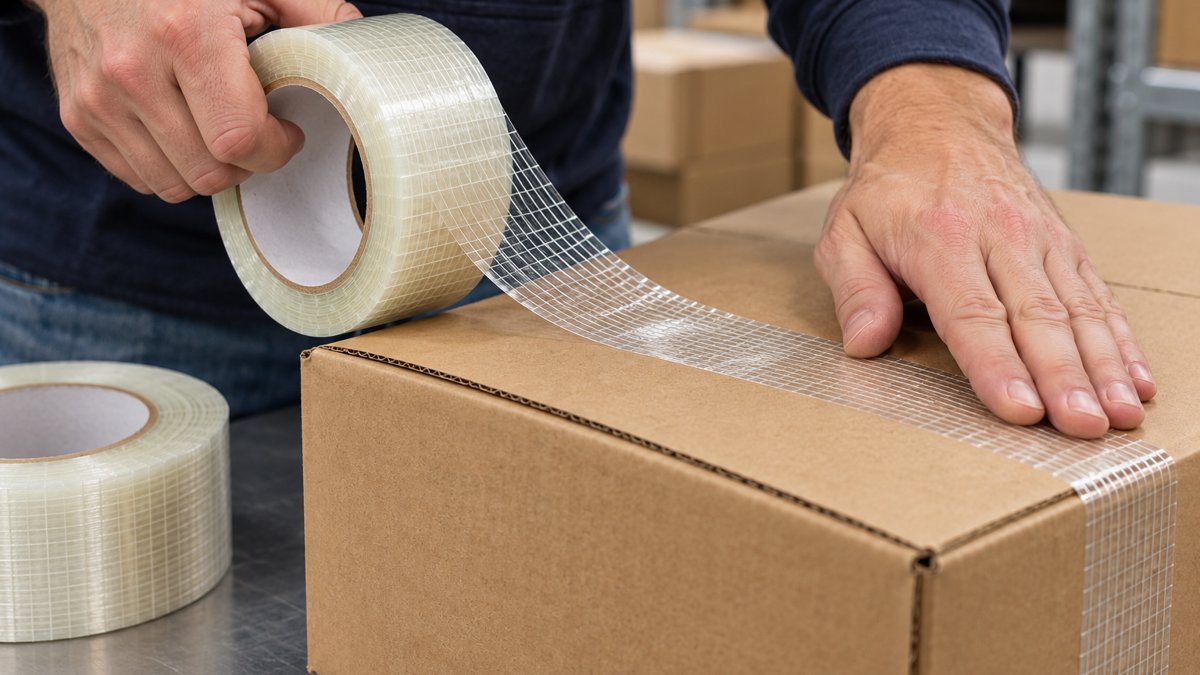
New guide
Wrinkles, incomplete contact or unsuitable application temperatures can affect the result. The tape itself is not necessarily the only cause.
Read guide →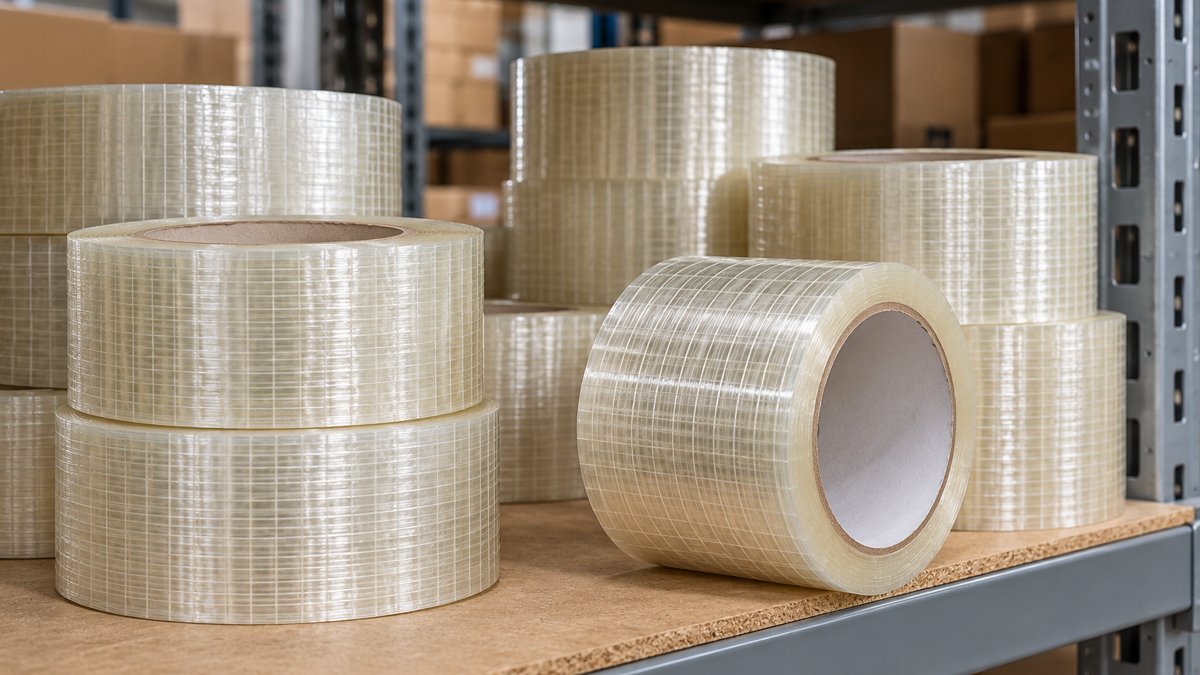
New guide
Suitable storage helps prevent tape rolls becoming contaminated or physically damaged. Shelf life and conditions depend on the product data sheet.
Read guide →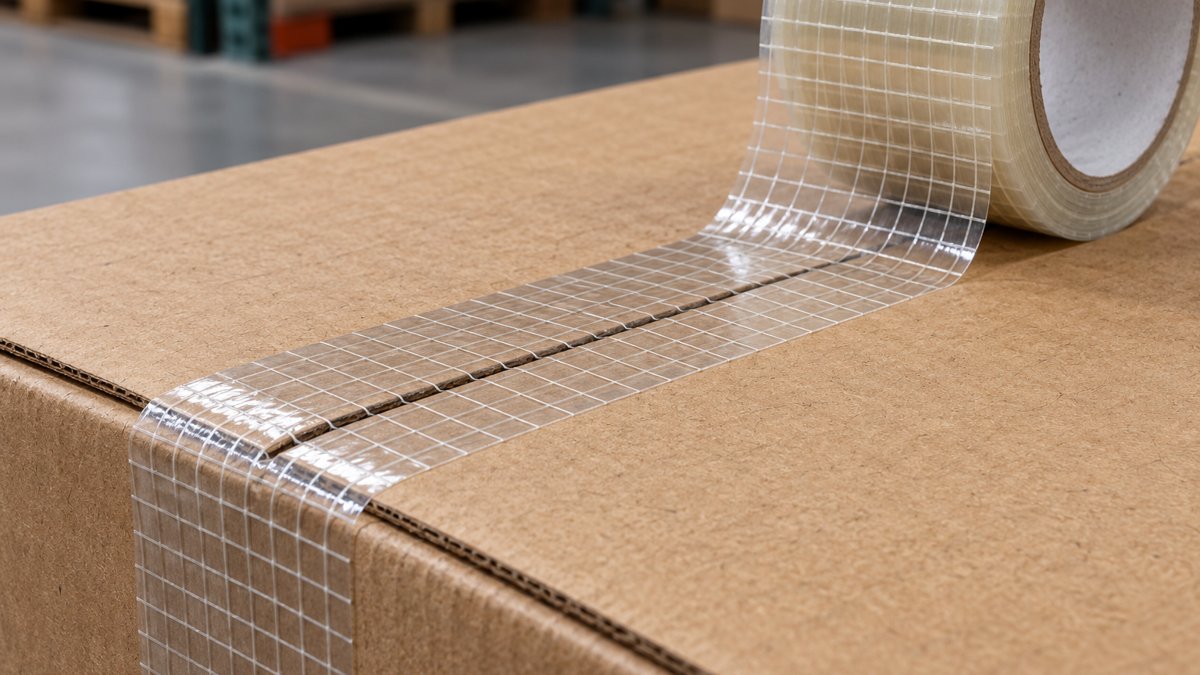
New guide
Pre-shipment checks on cartons, tape and pallet arrangement together help assess damage risks.
Read guide →
New guide
Weight, sharp edges and sensitive finishes affect packaging choices for metal spare parts. Select the carton and internal protection as a system.
Read guide →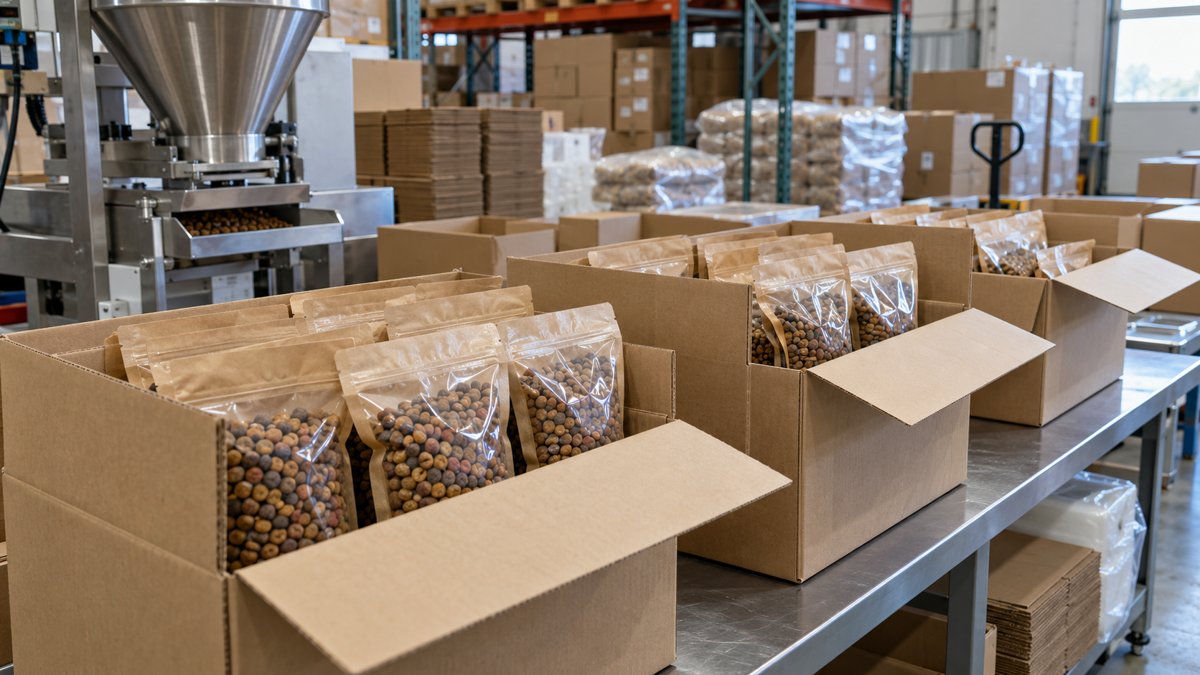
New guide
For dry pet food bags, carton packing should protect bag integrity and create a stable shipment.
Read guide →
New guide
Glass bottle shipments need packaging that limits bottles striking one another or the carton walls.
Read guide →
New guide
Electronics differ in sensitivity to electrostatic discharge, impact and moisture. Follow the component manufacturer’s requirements for inner packaging.
Read guide →
New guide
Flat-pack furniture edges and finishes may experience abrasion and impact in transit. Design the package around part dimensions and surface properties.
Read guide →
New guide
Liquid cleaning products require coordinated checks on closures, leakage, carton strength and pallet stability.
Read guide →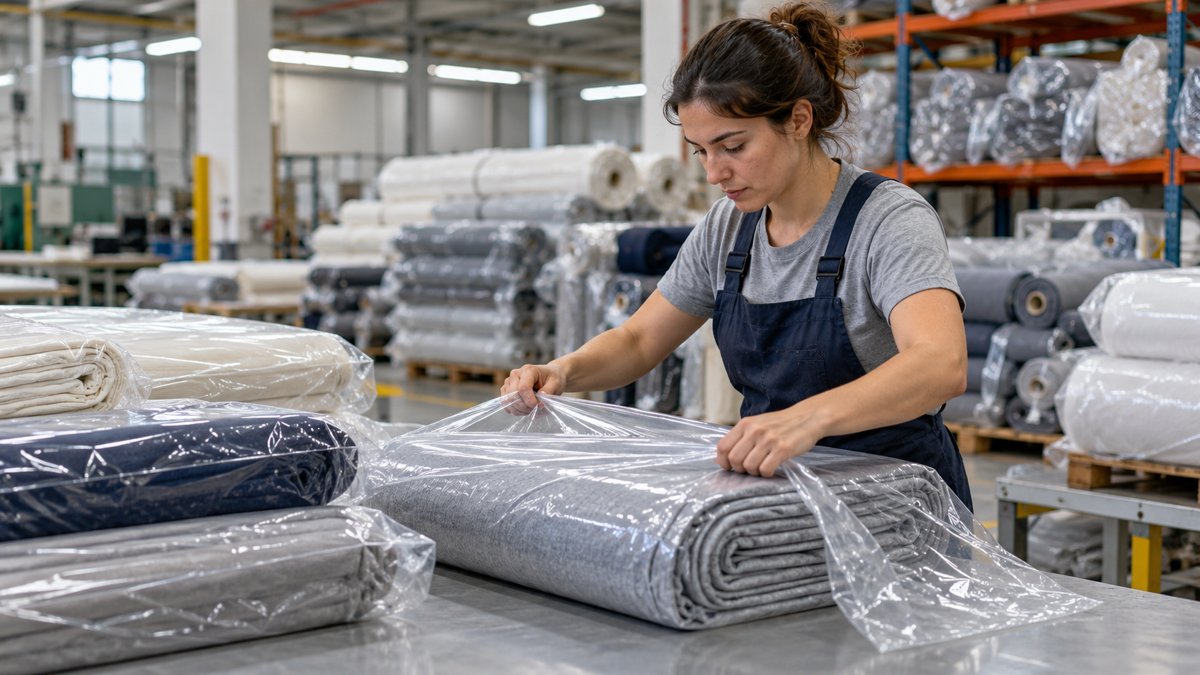
New guide
Dust, abrasion and storage conditions can affect fabric rolls. Select protective packaging according to the material.
Read guide →
New guide
Profile ends, surface coatings and long geometry require attention during storage and transport.
Read guide →
New guide
Bagged agricultural products need stable stacking, intact bags and protection suited to storage conditions. Additional requirements may apply to particular
Read guide →
New guide
In e-commerce an oversized carton may create unnecessary empty space and fill, while an undersized carton can compress the product and cushioning.
Read guide →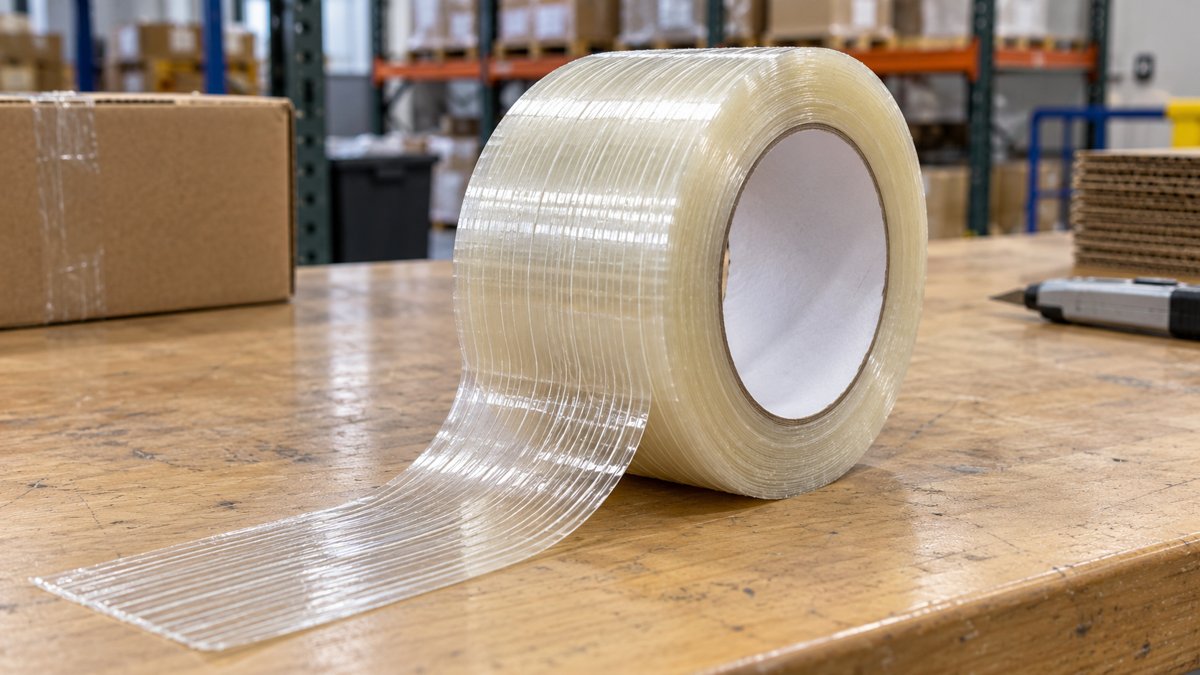
New guide
Filament tape incorporates reinforcing fibres into an adhesive backing. Fibre arrangement, backing and adhesive properties vary by product.
Read guide →
New guide
Filament tape can be considered as one carton-sealing option when the product and application are suitable. Carton quality, box weight and shipping conditi
Read guide →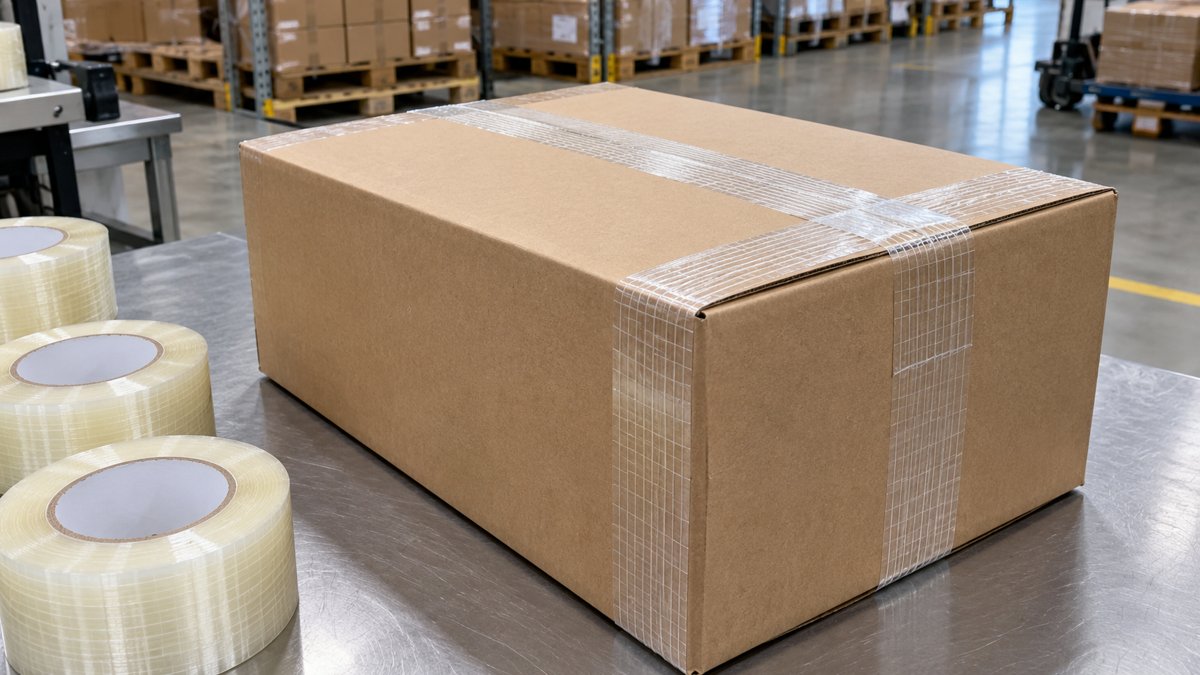
New guide
For heavier or dense contents, carton construction and the complete packaging system matter as much as the tape name.
Read guide →
New guide
Standard packing tape generally combines a film backing and adhesive; filament tape may add reinforcing fibres. Constructions and values vary by product.
Read guide →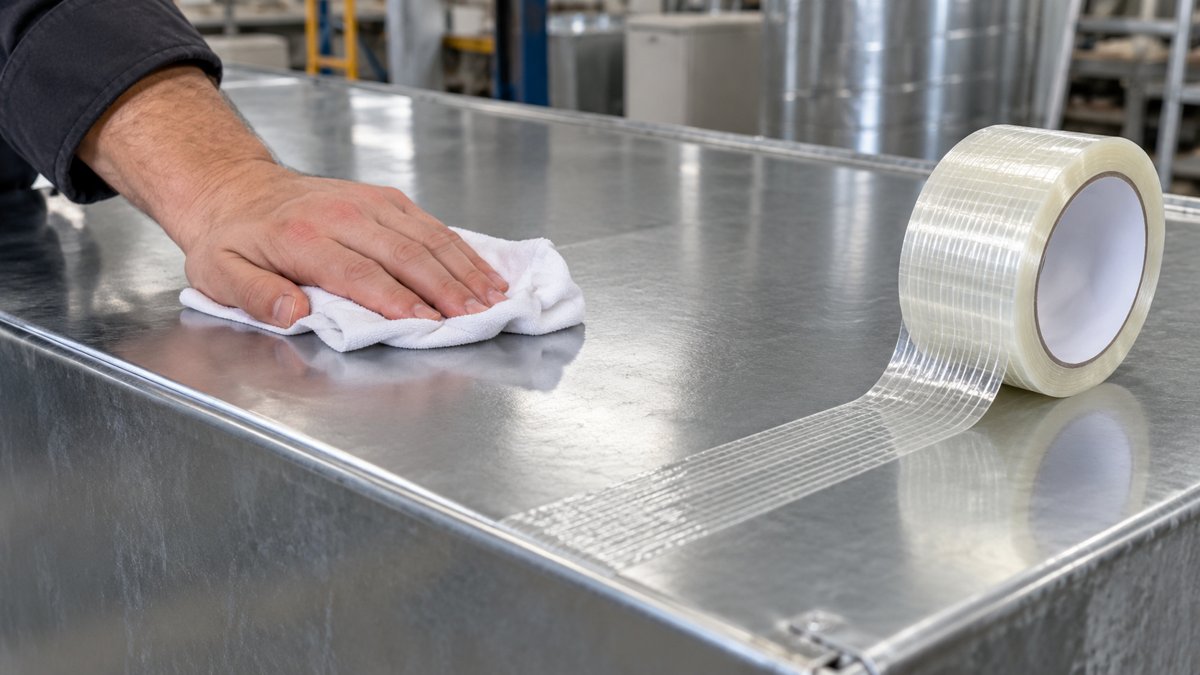
New guide
Dust, oil, moisture and loose particles can interfere with tape contact. Preparation differs for cardboard, metal and other substrates.
Read guide →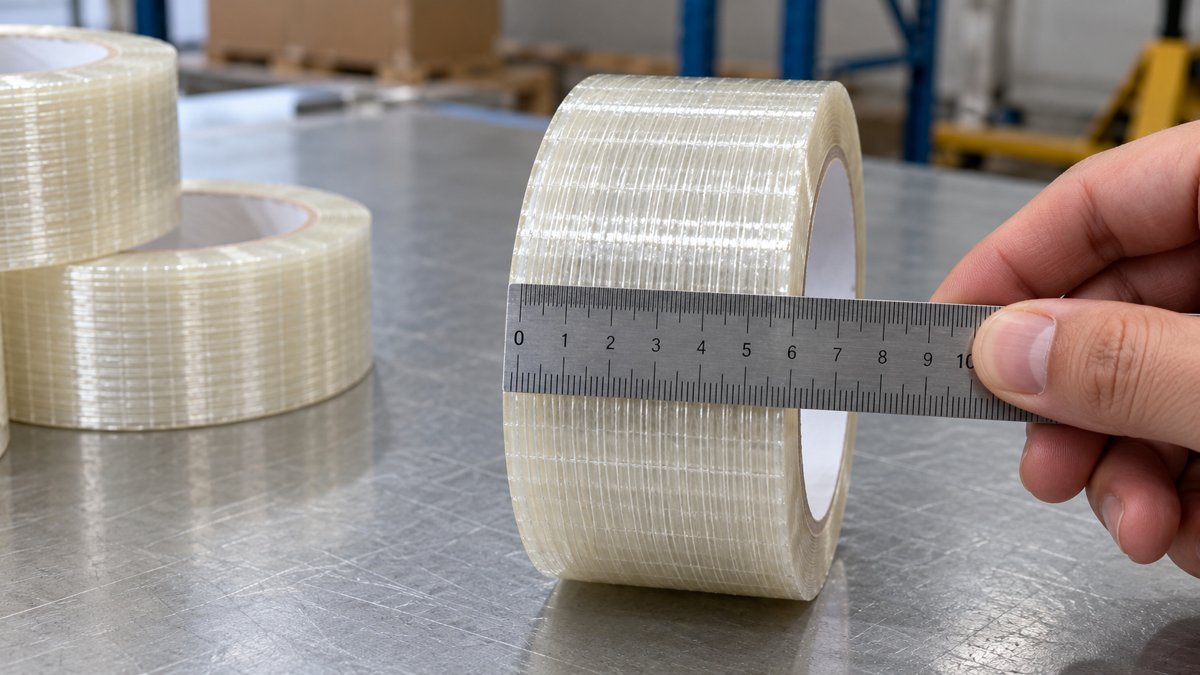
New guide
Tape width must be considered with contact area and packaging method. Roll length depends on workload and application equipment.
Read guide →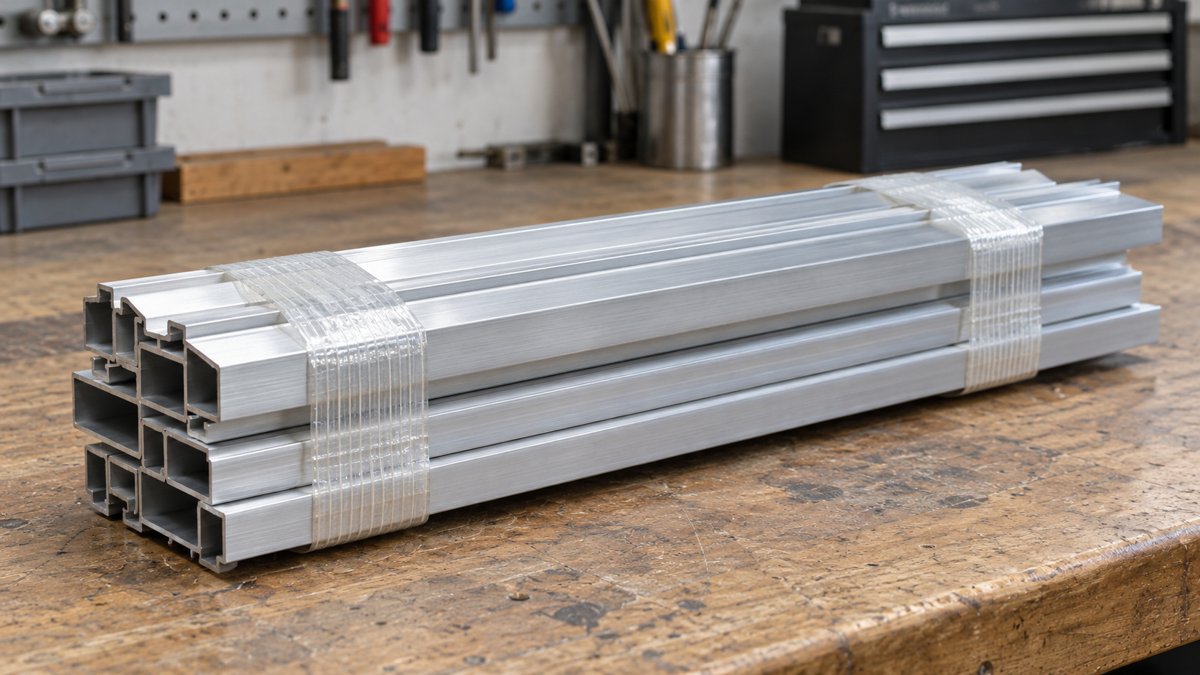
New guide
Suitable filament tapes can be considered for holding light items together. Part shape, surface and handling affect selection.
Read guide →
New guide
Contact with the substrate in pressure-sensitive tapes depends on application technique. Follow the manufacturer’s recommended pressure and conditions.
Read guide →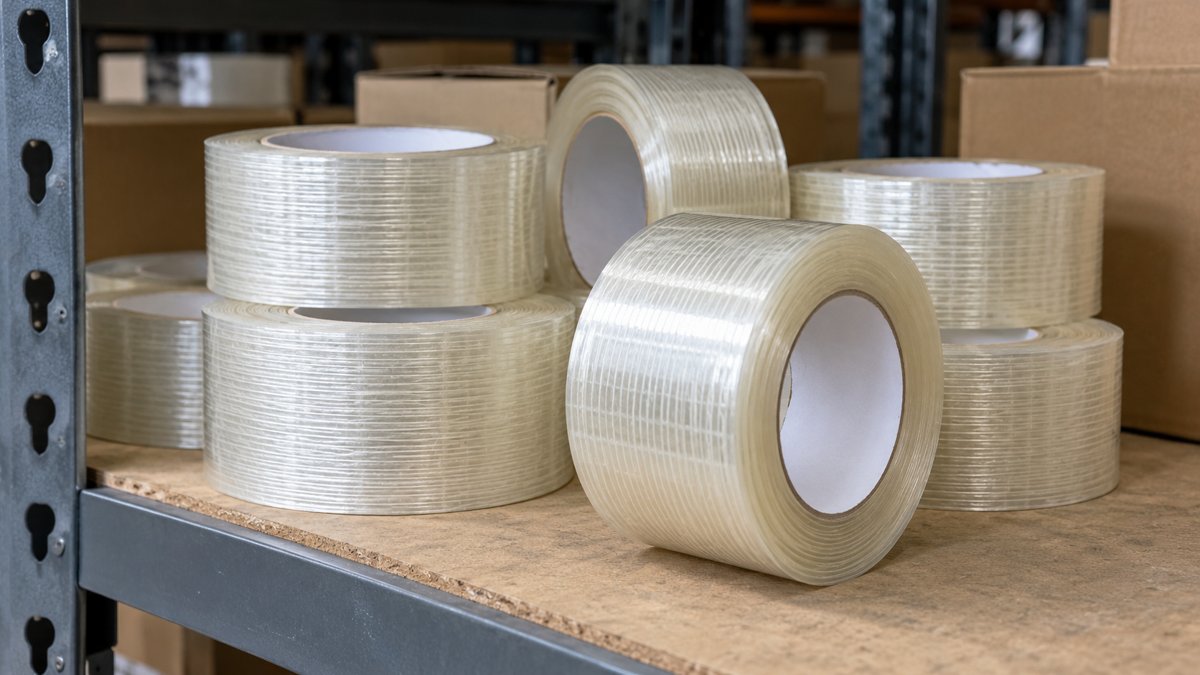
New guide
Storage temperature, humidity and packaging matter for tape rolls. Verify shelf life and conditions in the specific product data sheet.
Read guide →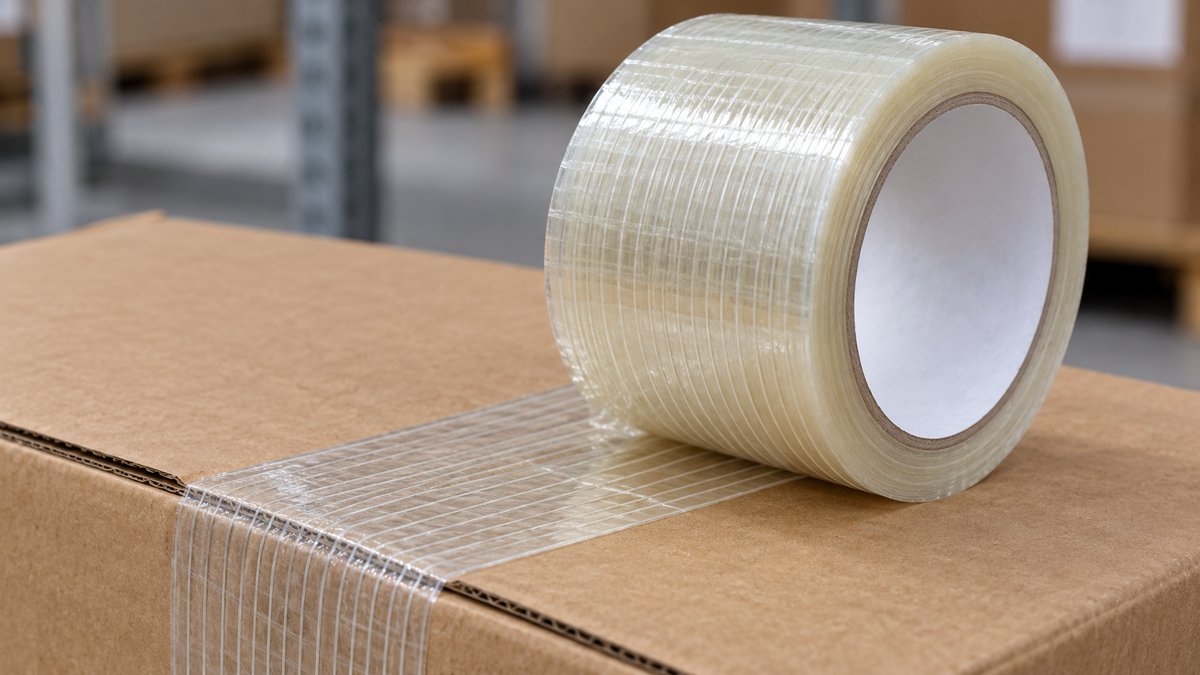
New guide
Reinforcement structures vary between filament tapes. Some have fibres running along the length, while other designs reinforce more than one direction.
Read guide →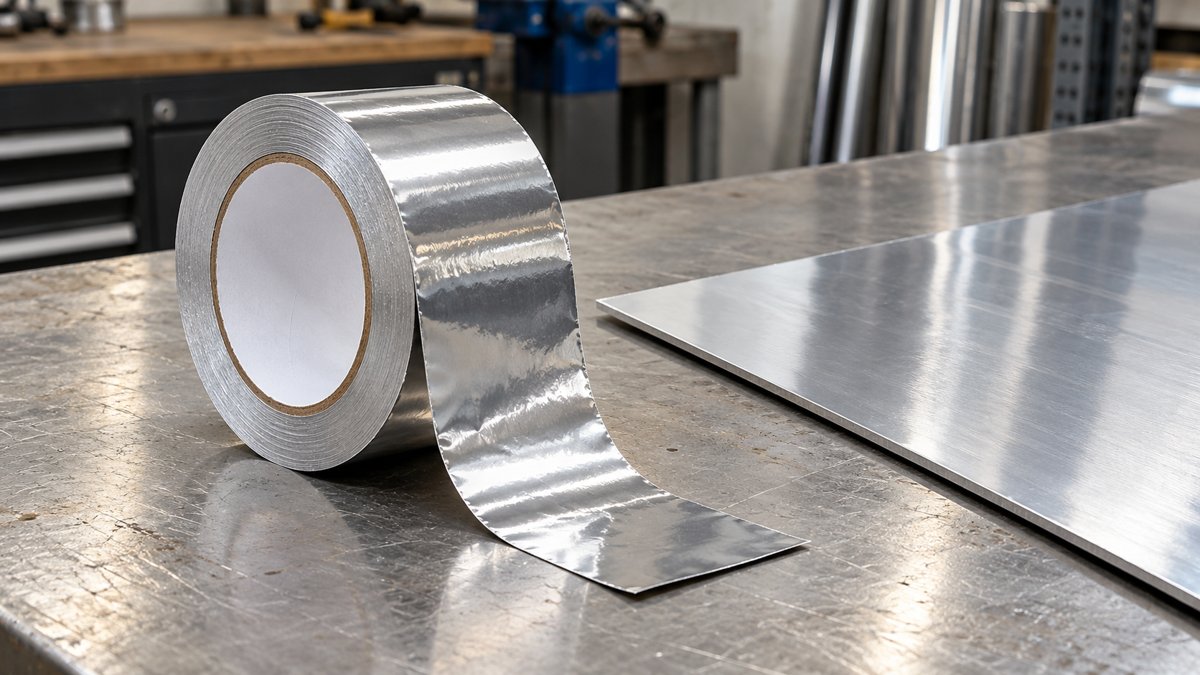
New guide
Aluminium foil tape combines a metal foil backing with a pressure-sensitive adhesive. Some products also include a release liner; construction and properti
Read guide →
New guide
Tape for ventilation duct joints must be selected with the metal surface, joint geometry and project specification in mind.
Read guide →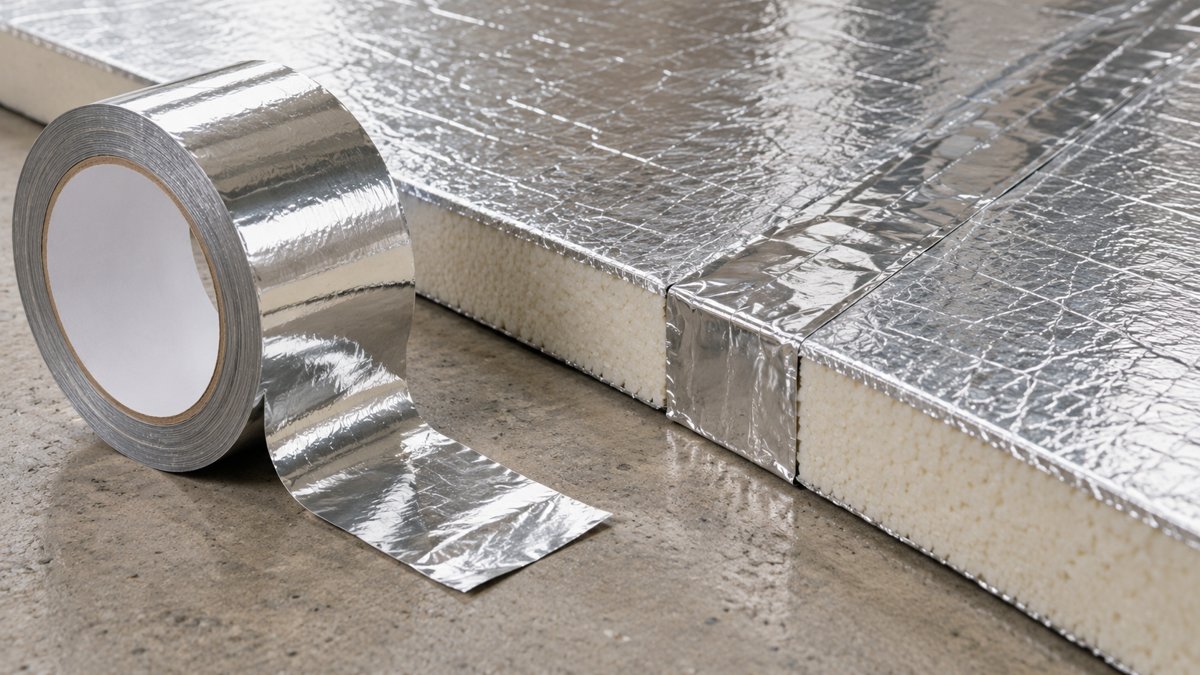
New guide
Select tape for foil-faced insulation board joints together with the facing material and the system design.
Read guide →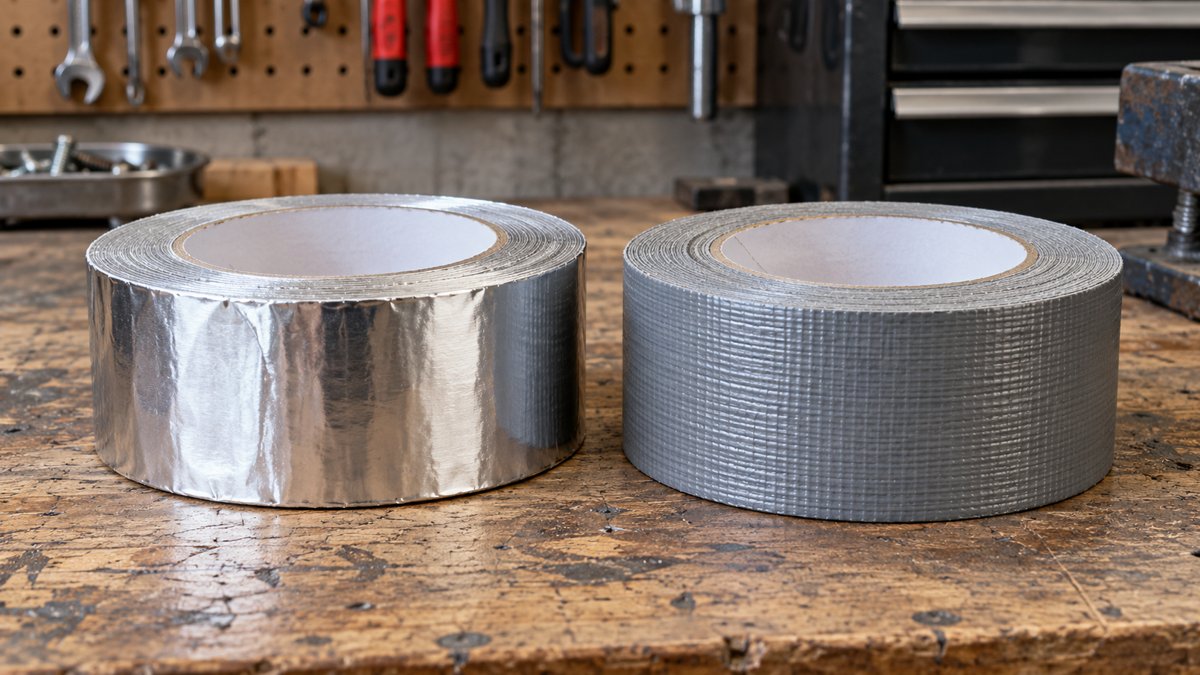
New guide
Aluminium tape uses a metal foil backing; duct tape generally has a fabric-reinforced backing. Adhesives and additional layers vary by product.
Read guide →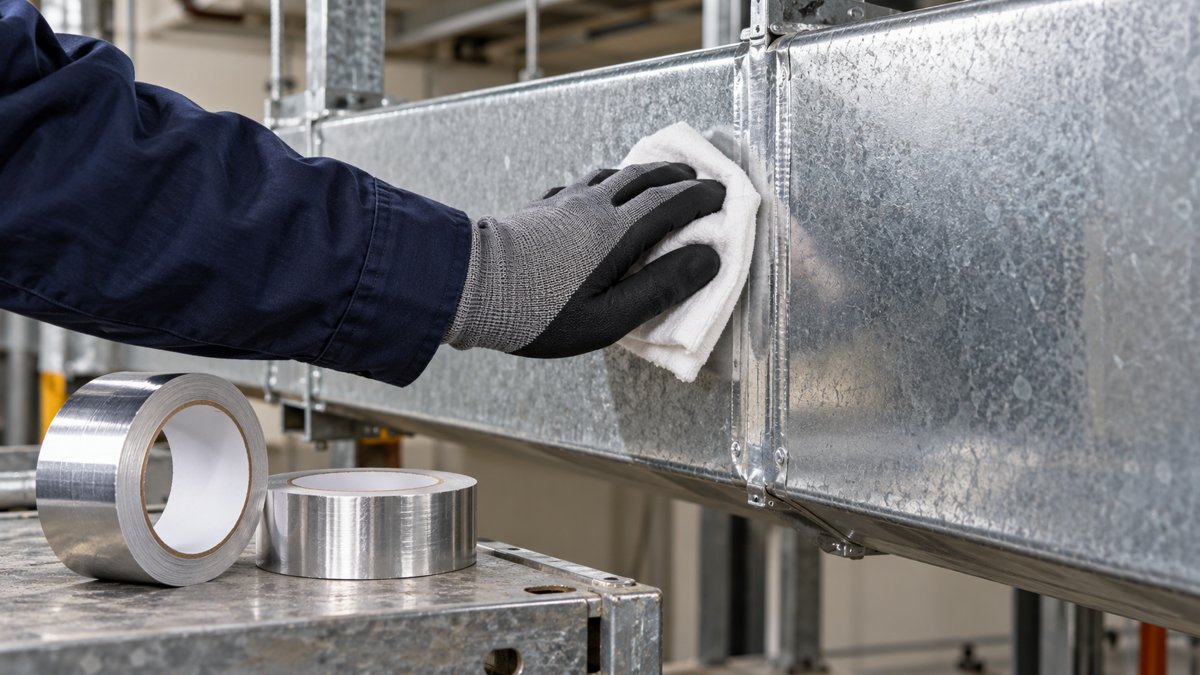
New guide
Dust, oil, moisture and loose particles can interfere with contact. Choose preparation methods appropriate for the surface and the tape manufacturer’s guid
Read guide →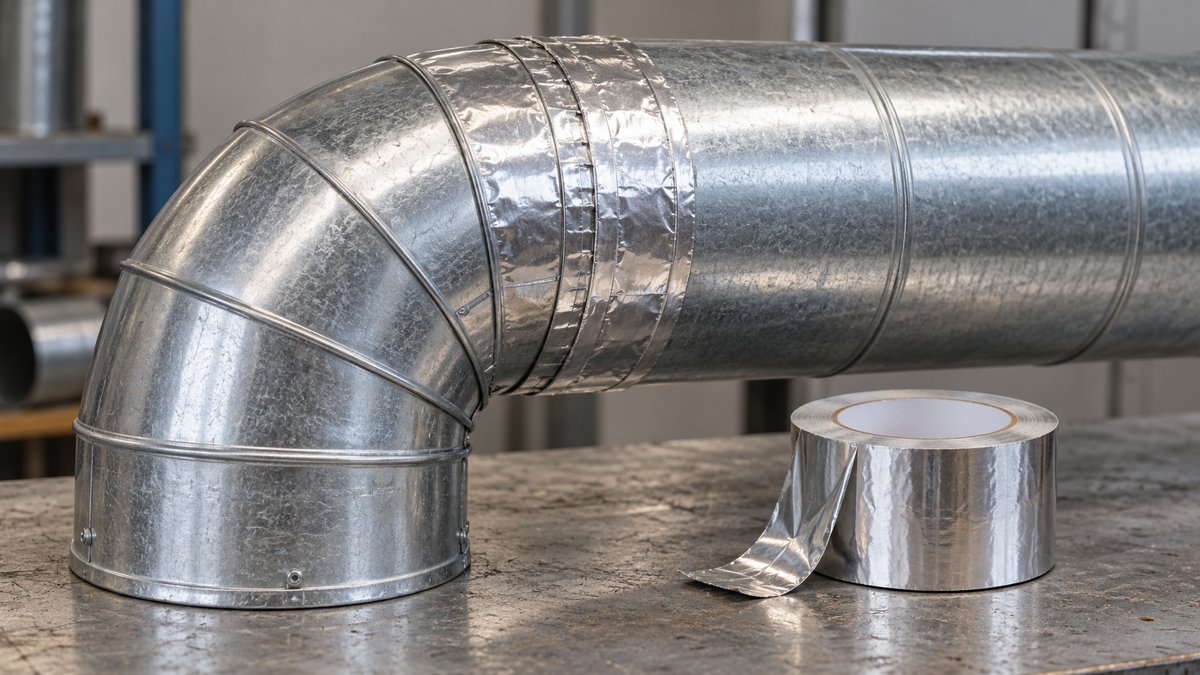
New guide
The ambient and substrate temperatures during application are different from the temperatures encountered during service. One value should not be substitut
Read guide →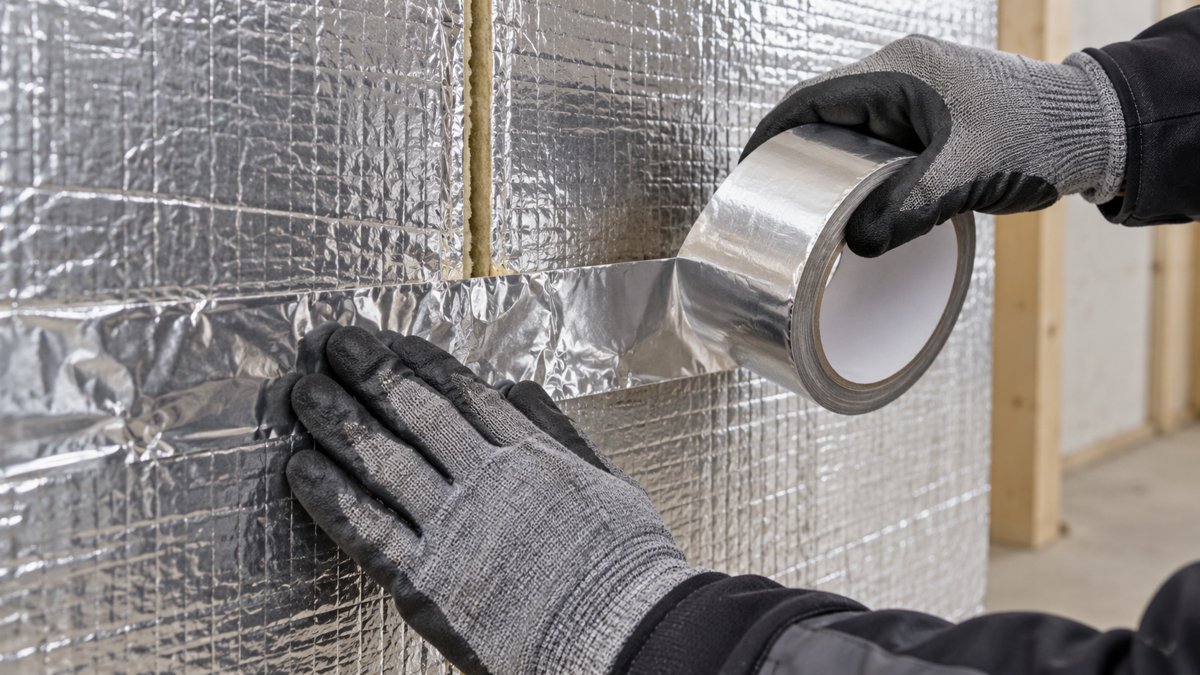
New guide
Vapour control in insulation systems depends on the design of the complete assembly and its joints, not on one product alone.
Read guide →
New guide
Some aluminium tapes have a release paper or film that protects the adhesive. Liner construction and handling depend on the product design.
Read guide →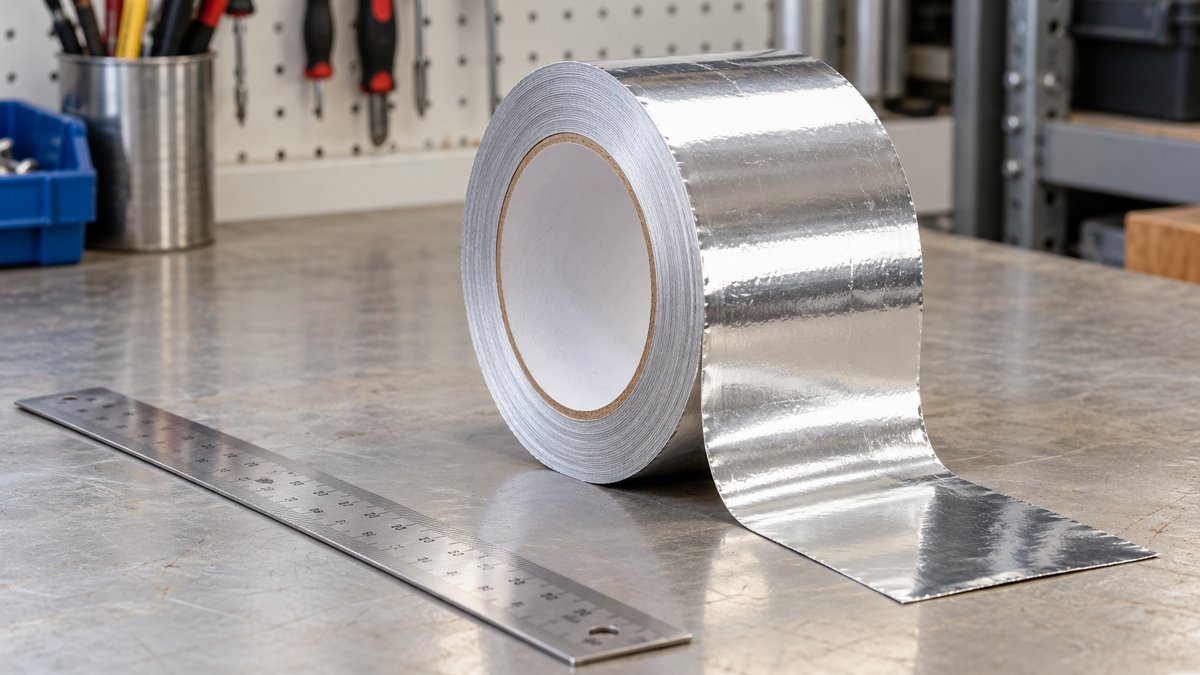
New guide
Suitable tape width depends on joint dimensions and the contact area required on each side. Roll length can be planned around the workload and application
Read guide →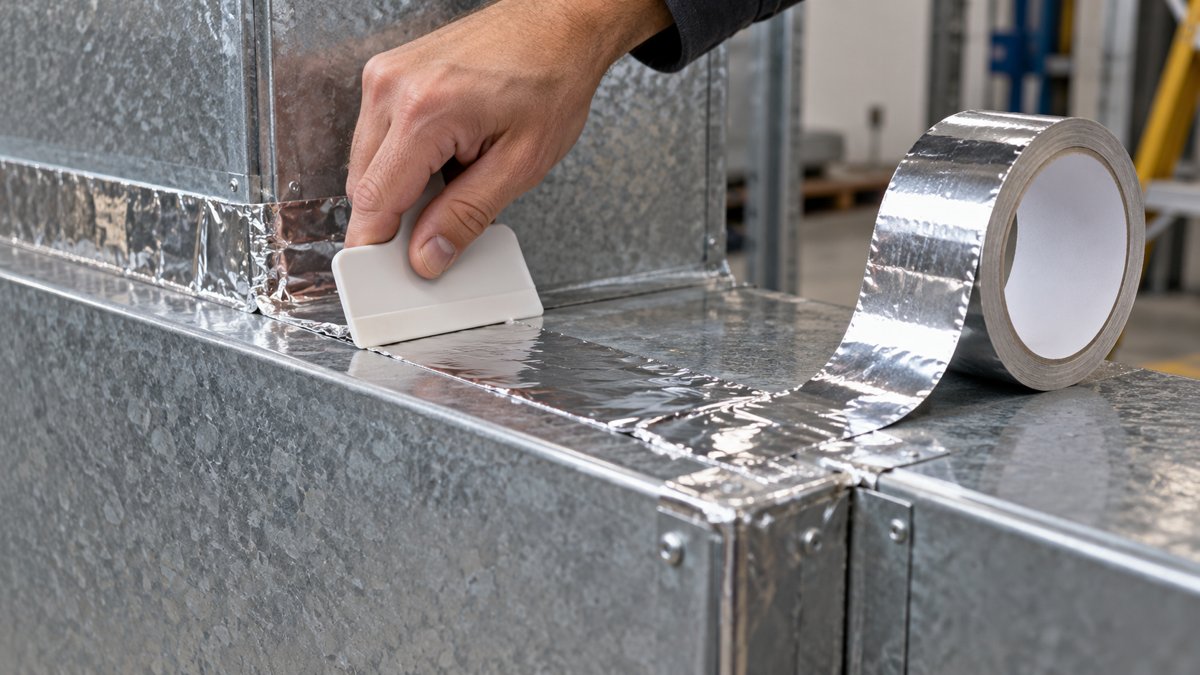
New guide
Wrinkles and lifted edges can interrupt contact with the surface. Causes may include surface condition, application technique or an unsuitable tape.
Read guide →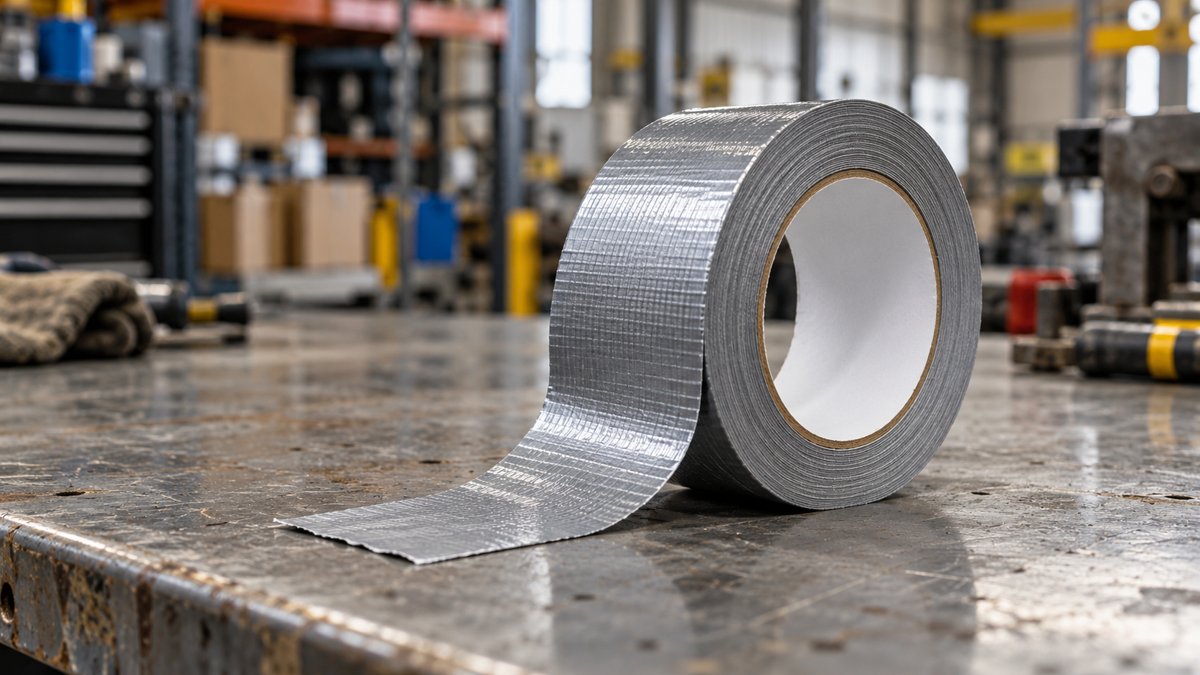
New guide
Duct tape is a multipurpose tape typically combining a fabric-reinforced backing and a pressure-sensitive adhesive. Some versions have polyethylene over th
Read guide →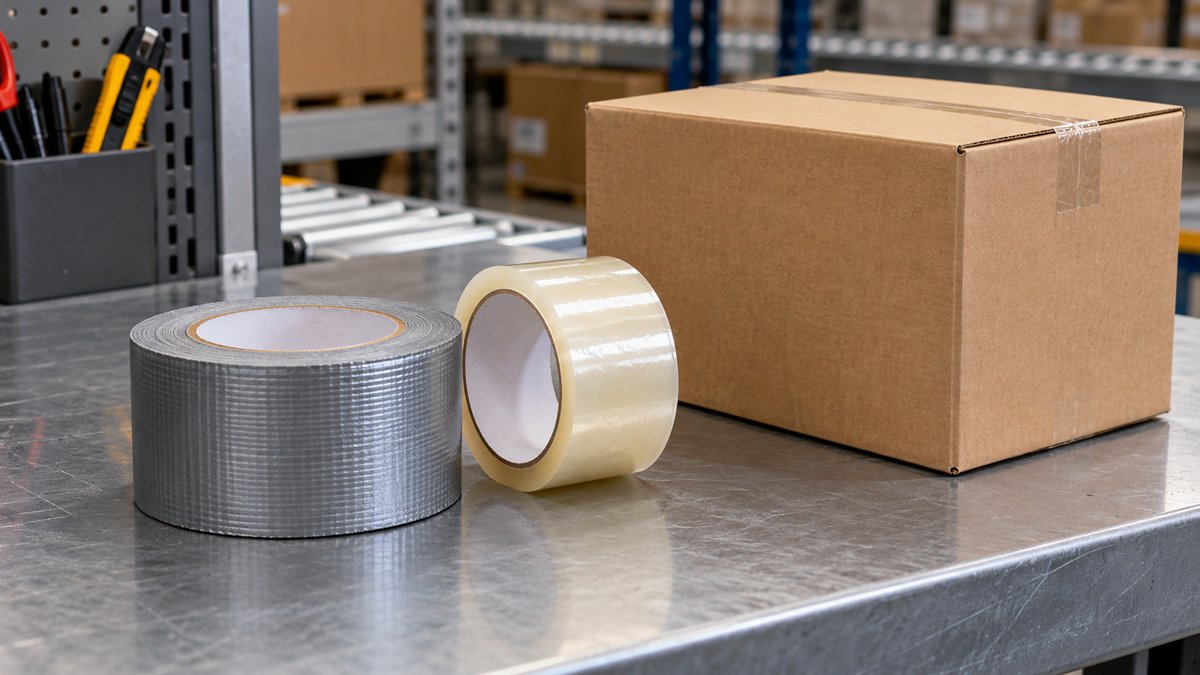
New guide
Packing tape and duct tape may be selected for different workflows. Many packing tapes use BOPP film, whereas duct tape is often fabric-reinforced; charact
Read guide →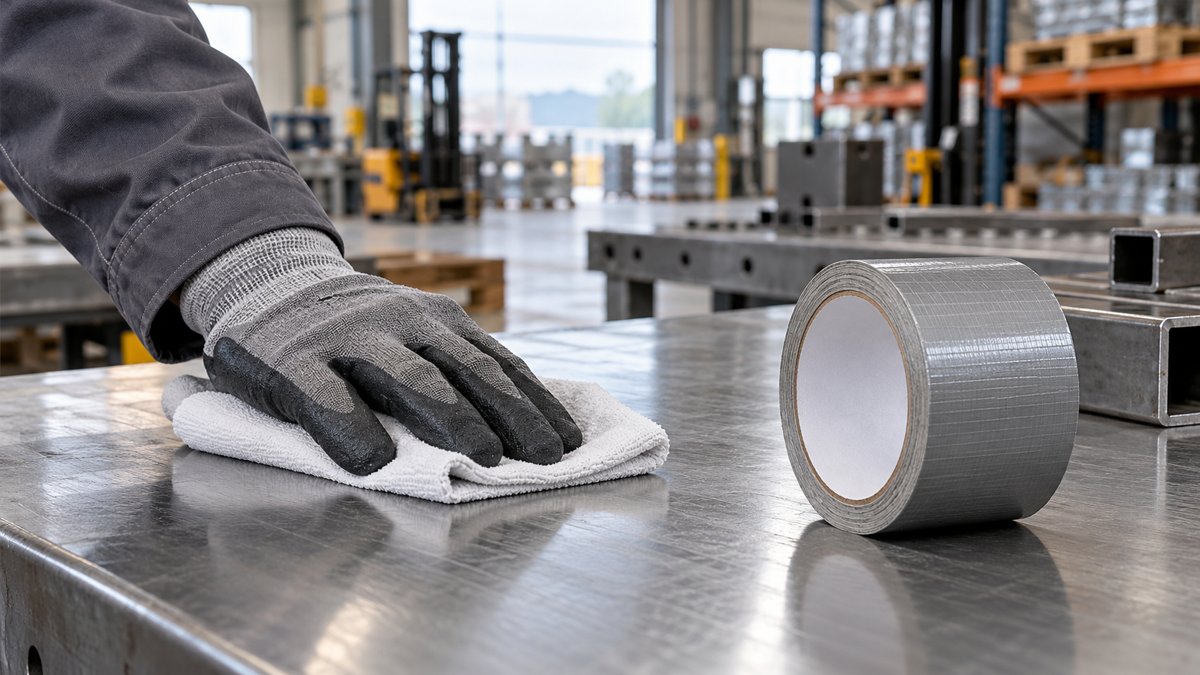
New guide
Dust, grease and moisture can affect tape contact and holding. Choose a cleaning method compatible with the surface and follow tape application guidance.
Read guide →
New guide
Duct tape can be considered for temporarily securing protective sheeting. Sheet material, substrate and application duration affect holding performance.
Read guide →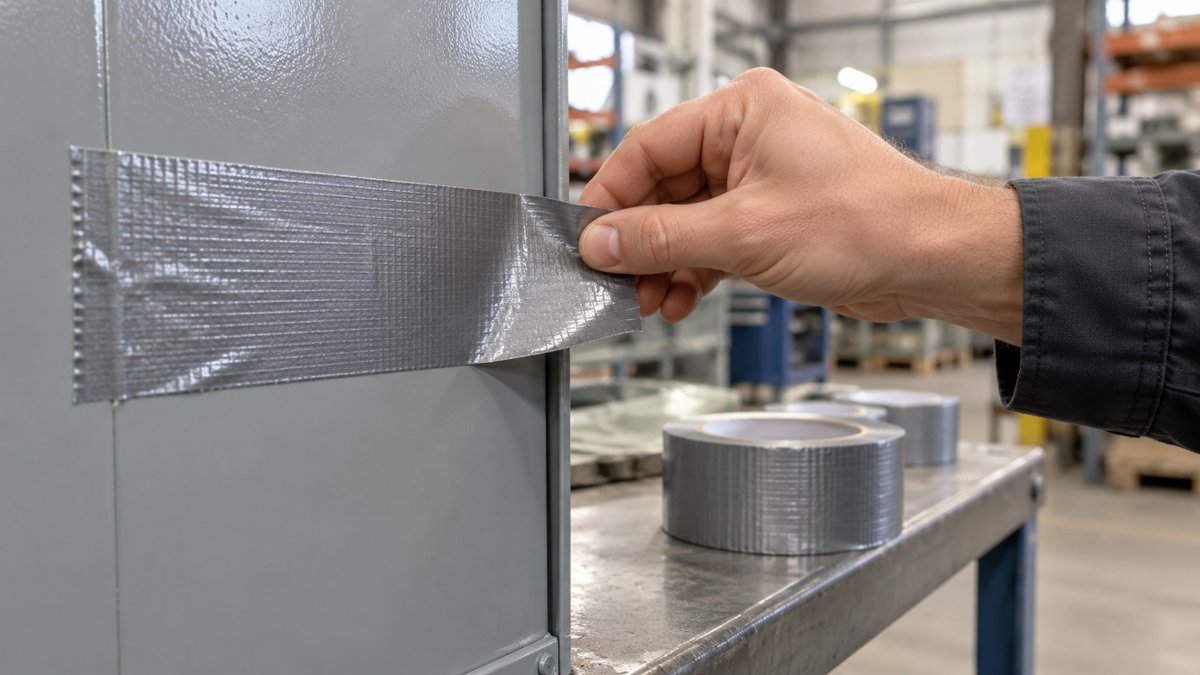
New guide
Residue or surface damage after duct tape removal depends on adhesive, substrate and dwell conditions. Clean removal cannot be assumed for every product.
Read guide →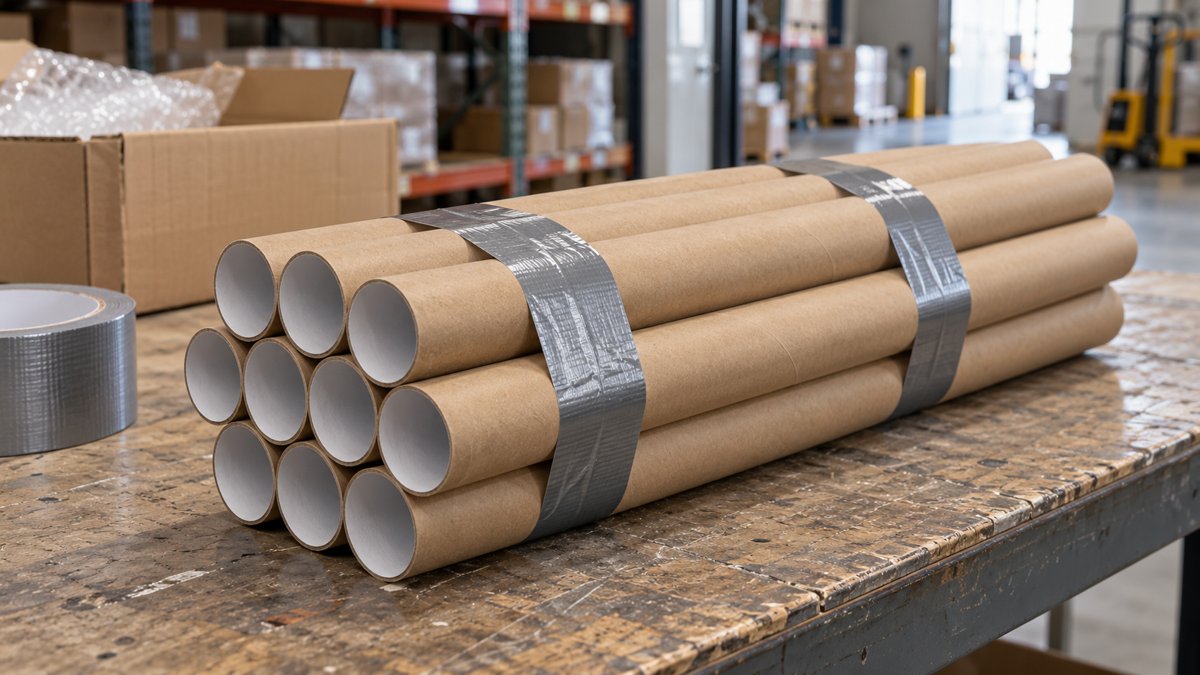
New guide
Duct tape may be considered to temporarily hold some lightweight items together. Bundle geometry, edges and surface sensitivity matter when selecting it.
Read guide →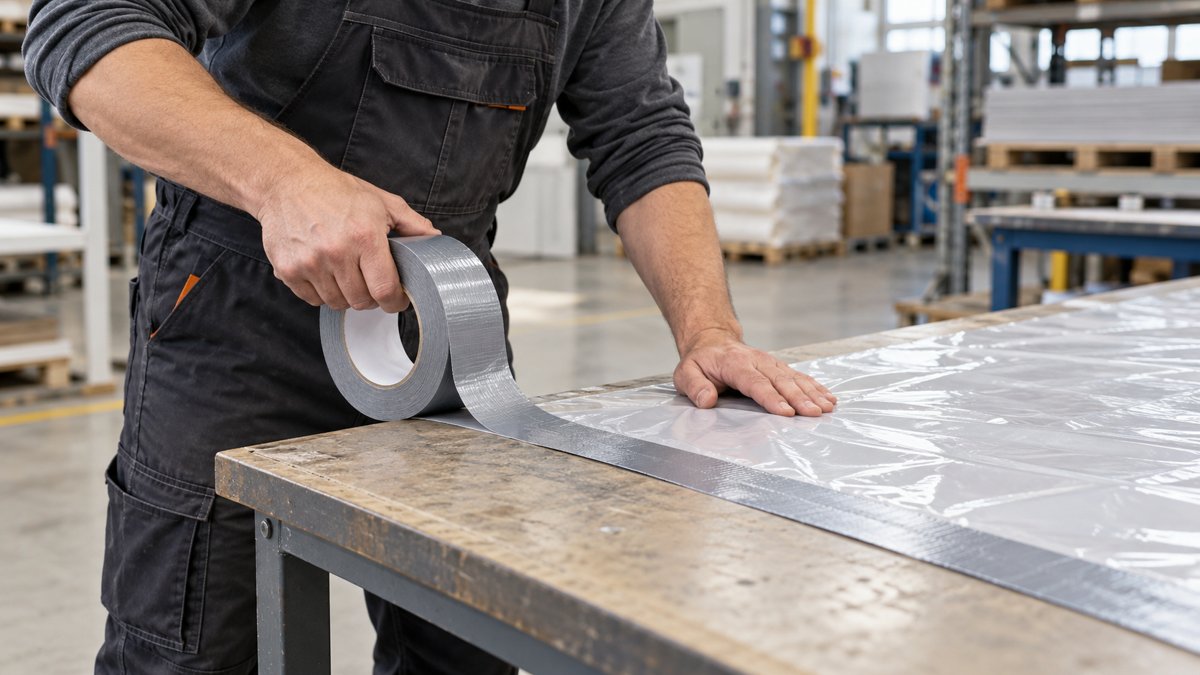
New guide
Some duct tape backings resist moisture; that does not mean every product adheres to a wet surface or provides a watertight repair.
Read guide →
New guide
Coloured duct tape can be considered for some temporary shelf or work-area markings. Surface, visibility and removal time influence selection.
Read guide →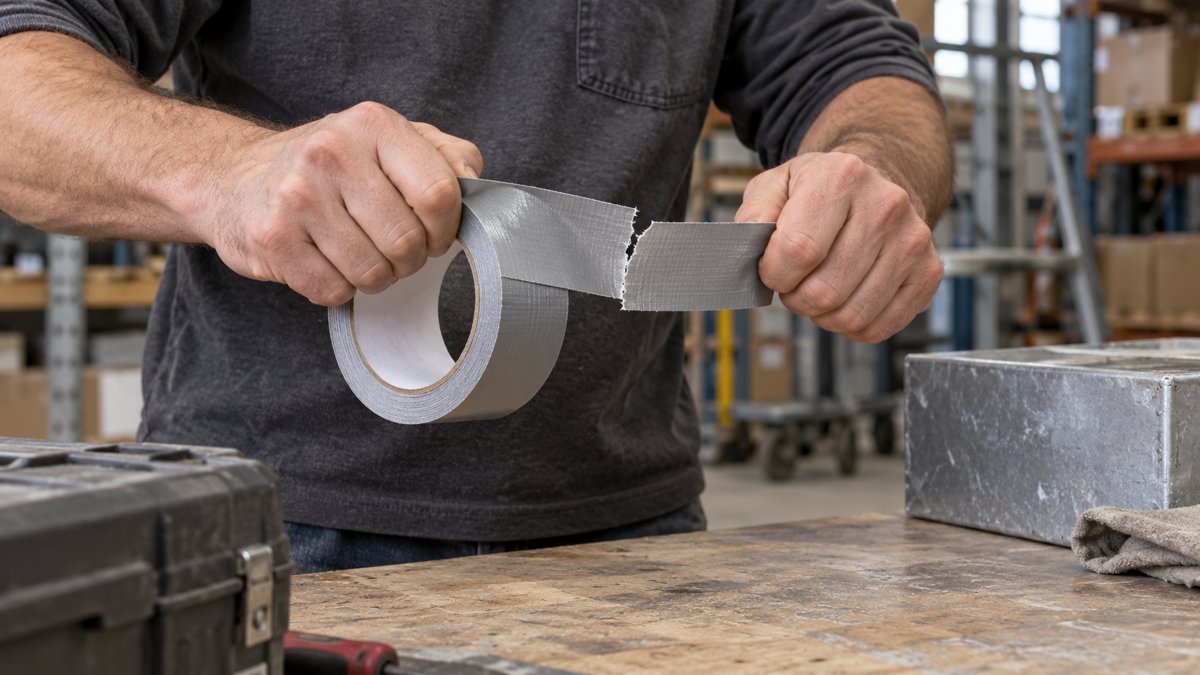
New guide
Some fabric-reinforced duct tapes are designed to tear by hand. Ease and tear direction depend on backing construction.
Read guide →
New guide
Storage conditions can affect tape roll condition before use. Check the product data sheet for recommended temperature, humidity, shelf life and packaging.
Read guide →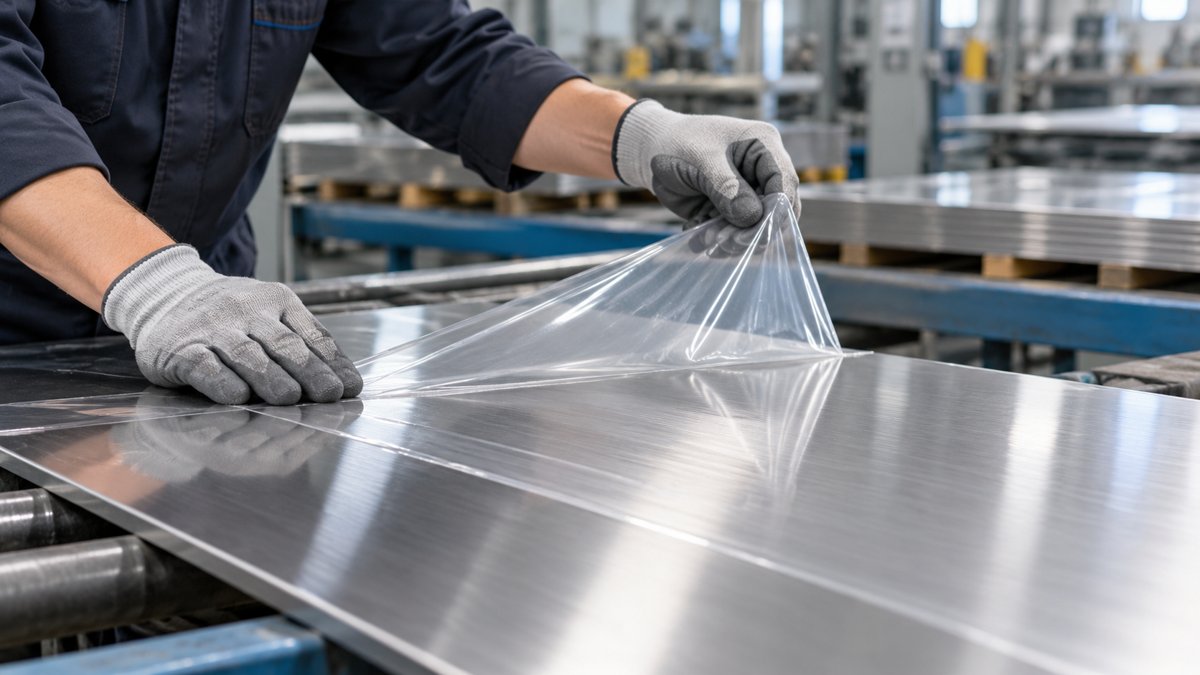
New guide
Surface protection tape may be used for temporary protection during manufacturing and handling. Suitability depends on the material and actual use conditio
Read guide →
New guide
Metal sheets may encounter surface scratches during cutting, processing and handling. Temporary protection film is one option to assess against identified
Read guide →
New guide
Decorative aluminium profile surfaces may need temporary protection from contact marks in processing and distribution. Cross-section and coating affect fil
Read guide →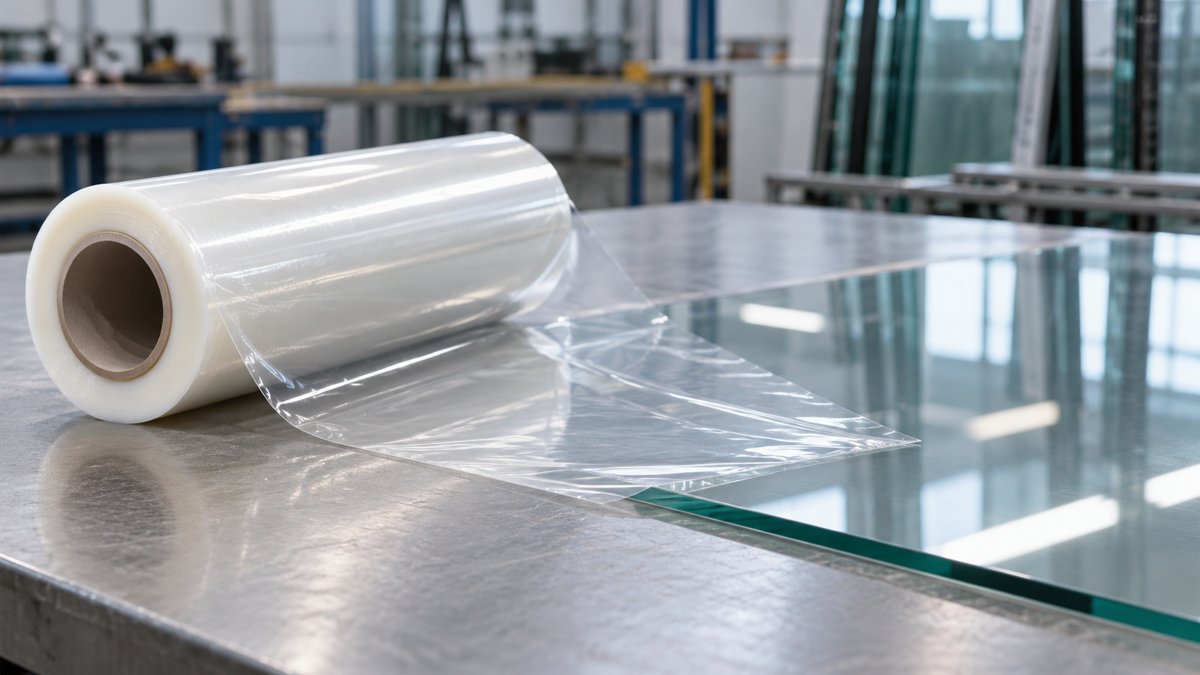
New guide
Acrylic-adhesive surface protection tapes are offered with different backings, adhesion and removal characteristics. The adhesive name alone does not estab
Read guide →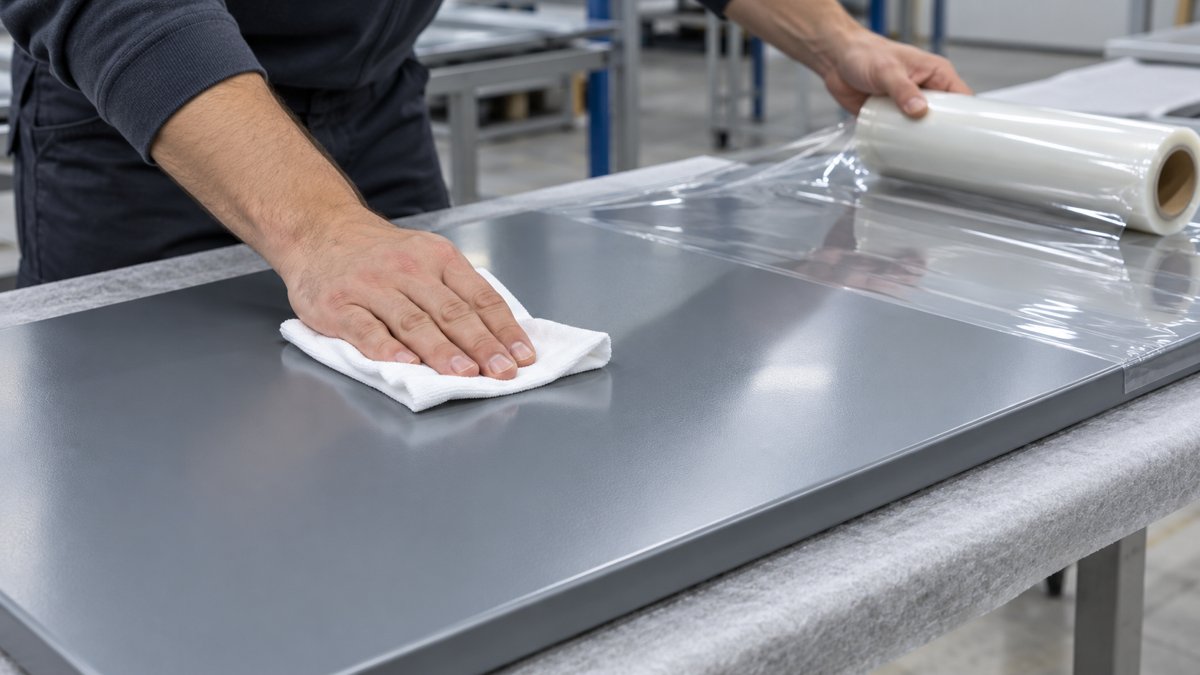
New guide
Dirt, moisture and process residues can prevent even contact between protection tape and a surface. Cleaning must suit the material and finish.
Read guide →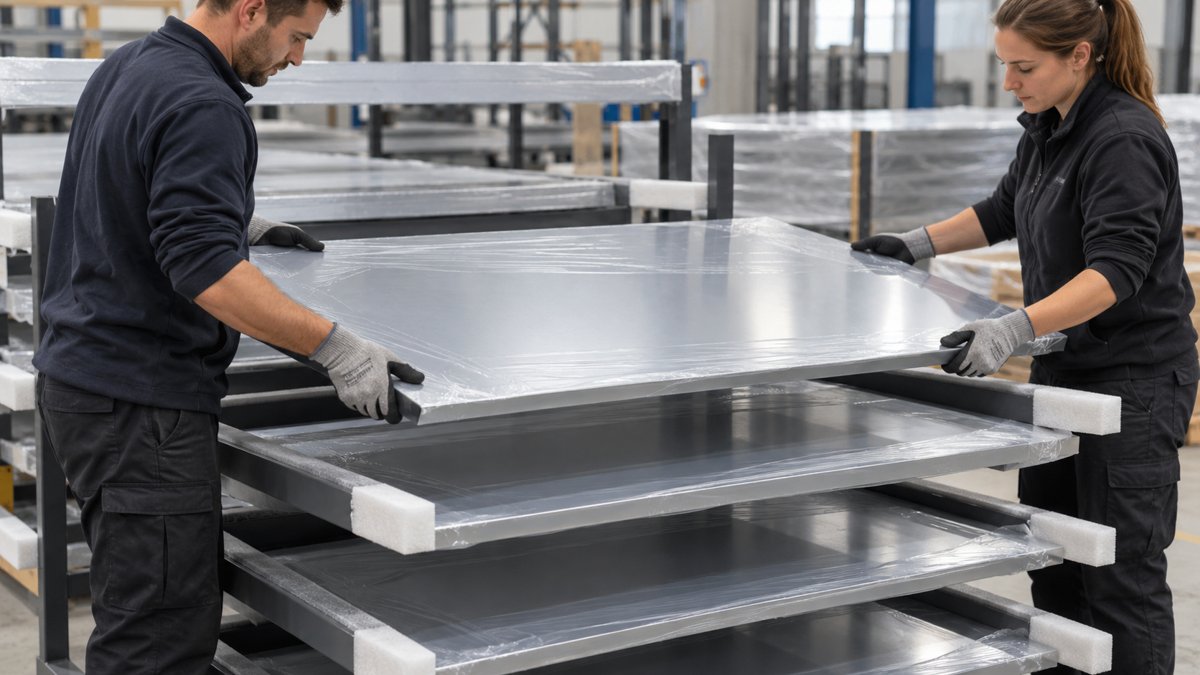
New guide
A product passes through multiple contact points between production and delivery. Plan surface protection for processing, stacking and storage as well as t
Read guide →
New guide
Application and removal on painted surfaces depend on coating formulation and cure. Do not assume a freshly painted surface is ready for film.
Read guide →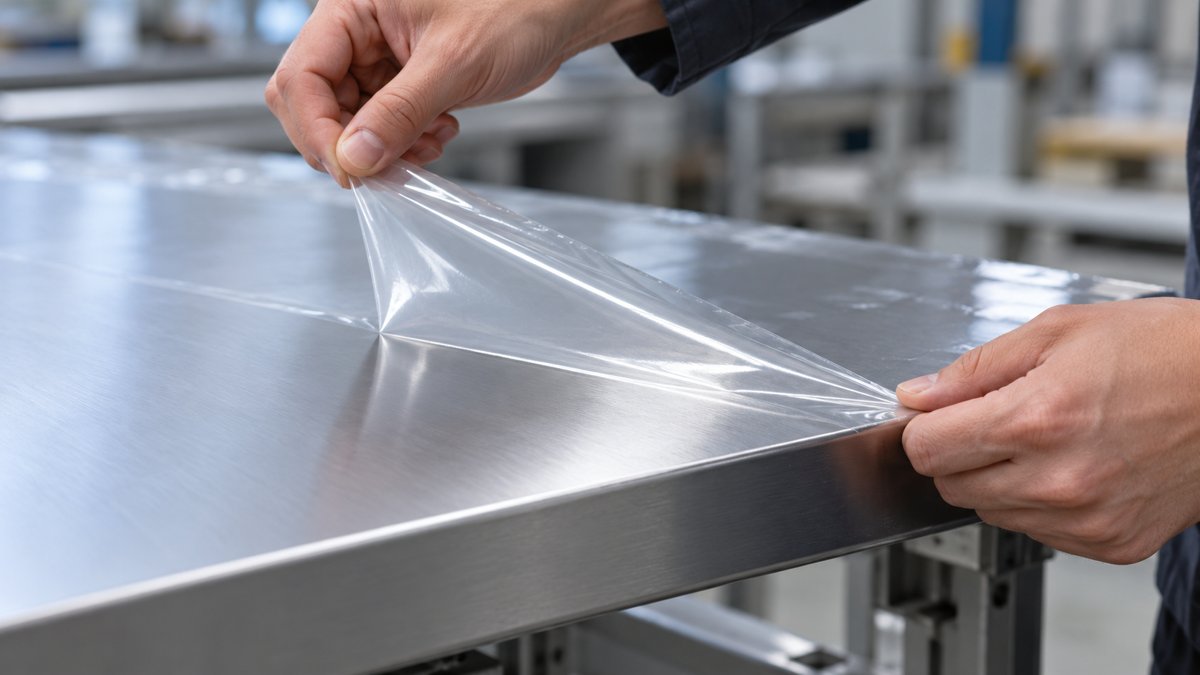
New guide
Dwell time and environmental conditions can affect protective film removal. Suitable duration depends on the specific film and surface; consult the supplie
Read guide →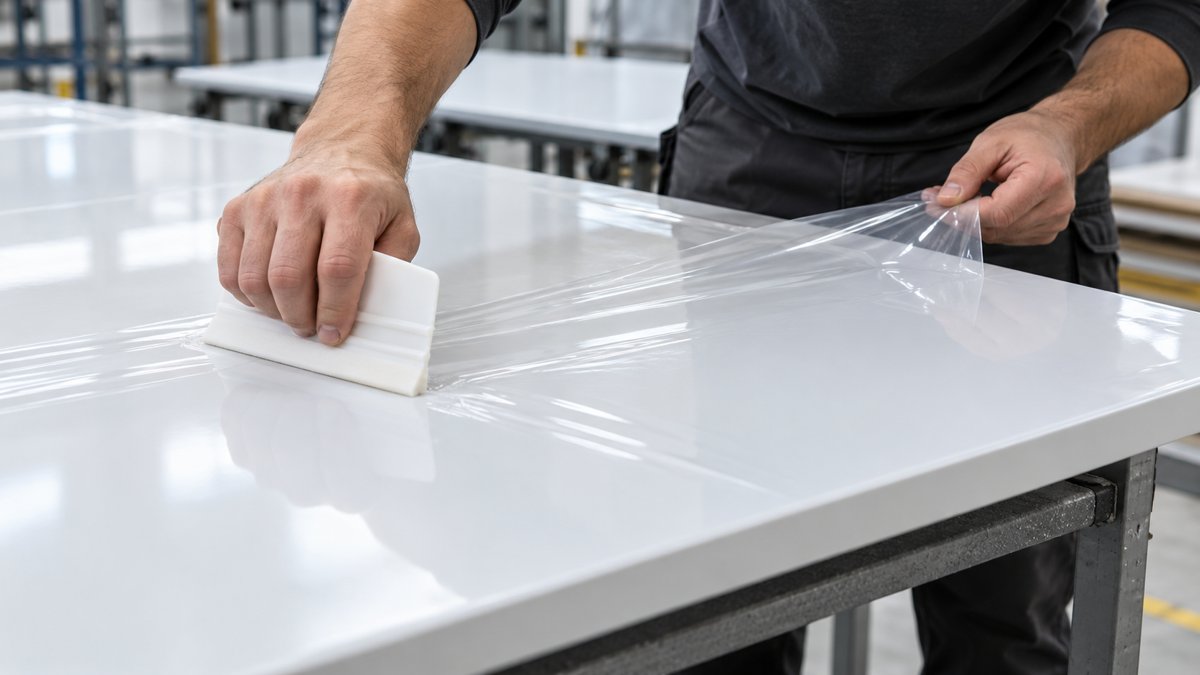
New guide
Bubbles or edge lift can affect surface coverage and package appearance. Causes can include preparation, application method and film compatibility.
Read guide →
New guide
Sunlight and temperature changes can affect removal behaviour of some films and adhesives. Do not assume all protective films suit outdoor or prolonged sun
Read guide →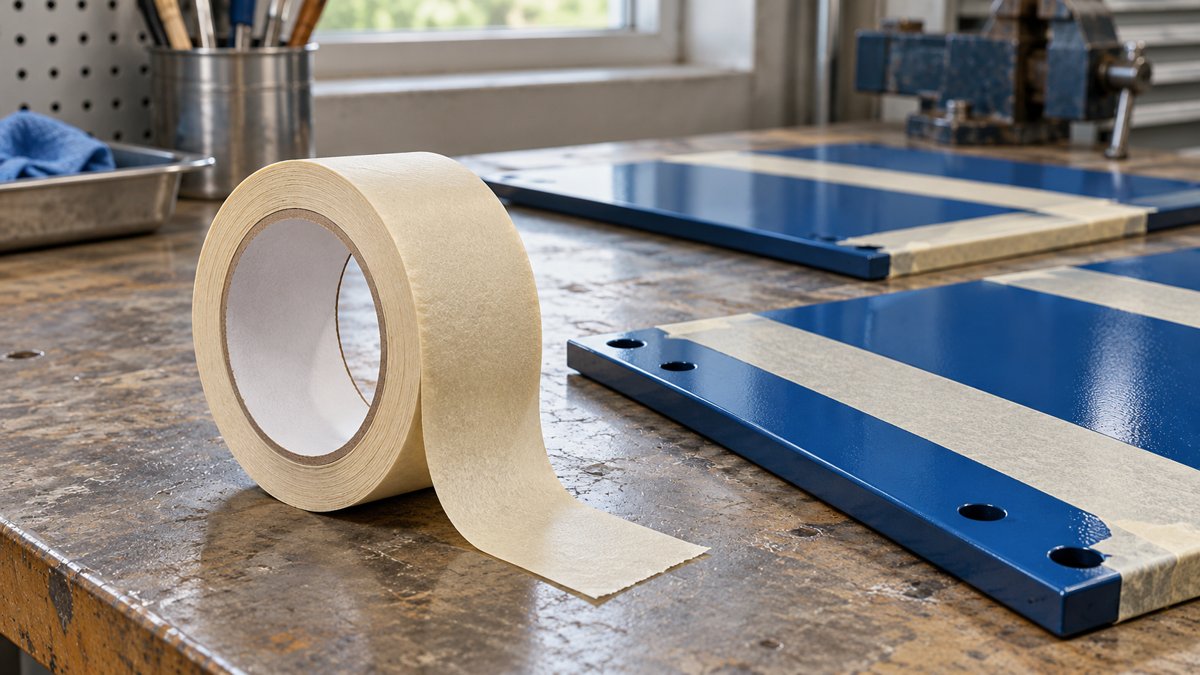
New guide
Masking tape is a pressure-sensitive tape used to separate areas during an operation or provide temporary holding. Paper backing and adhesive construction
Read guide →
New guide
A straight paint boundary involves more than aligning tape. Surface condition, edge contact and paint application also affect the result.
Read guide →
New guide
Masking tape can separate protected areas during furniture painting and finishing. Bare wood, veneers and newly applied coatings behave differently; a sing
Read guide →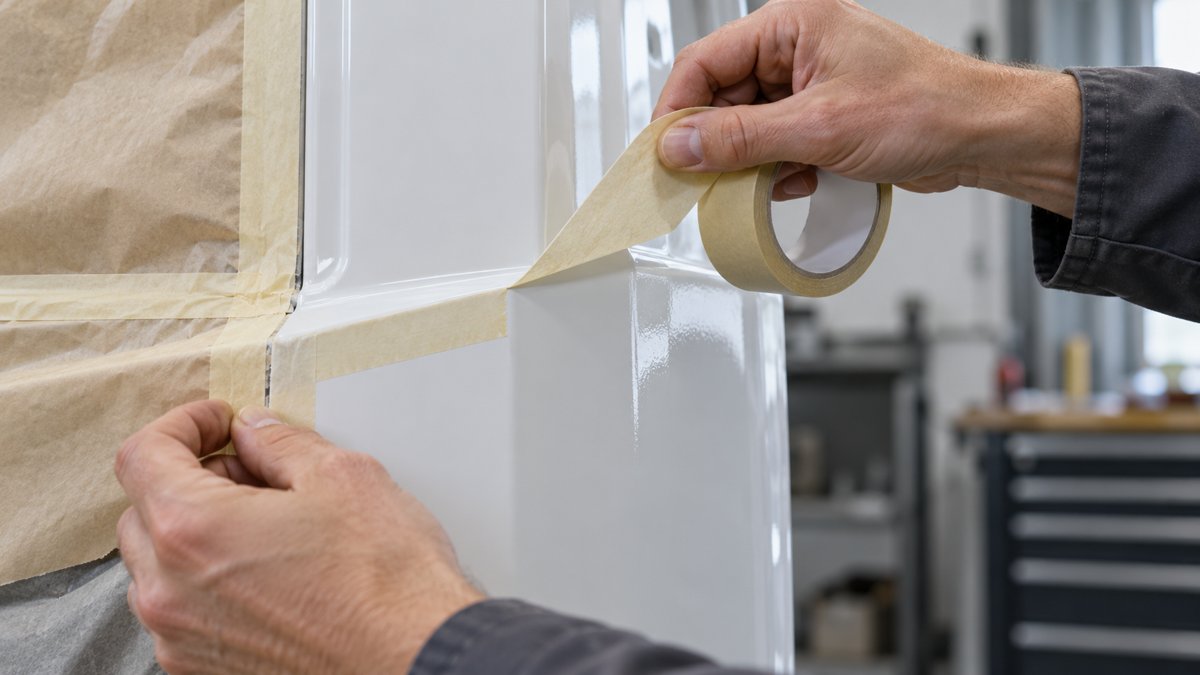
New guide
Removal depends on adhesive, surface integrity, dwell time, temperature and sunlight. Residue-free removal cannot be guaranteed on every surface or under e
Read guide →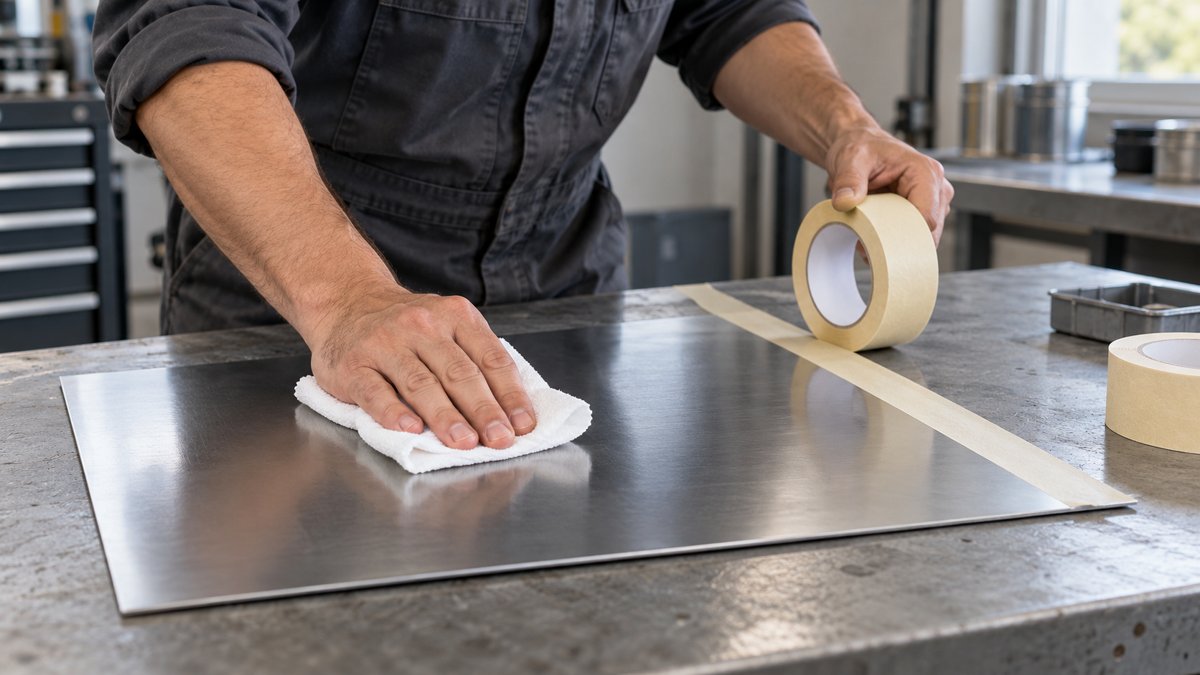
New guide
Dust, oil and moisture can affect tape contact. Preparation and tape selection go together: the cleaning method must suit both the surface and the applicat
Read guide →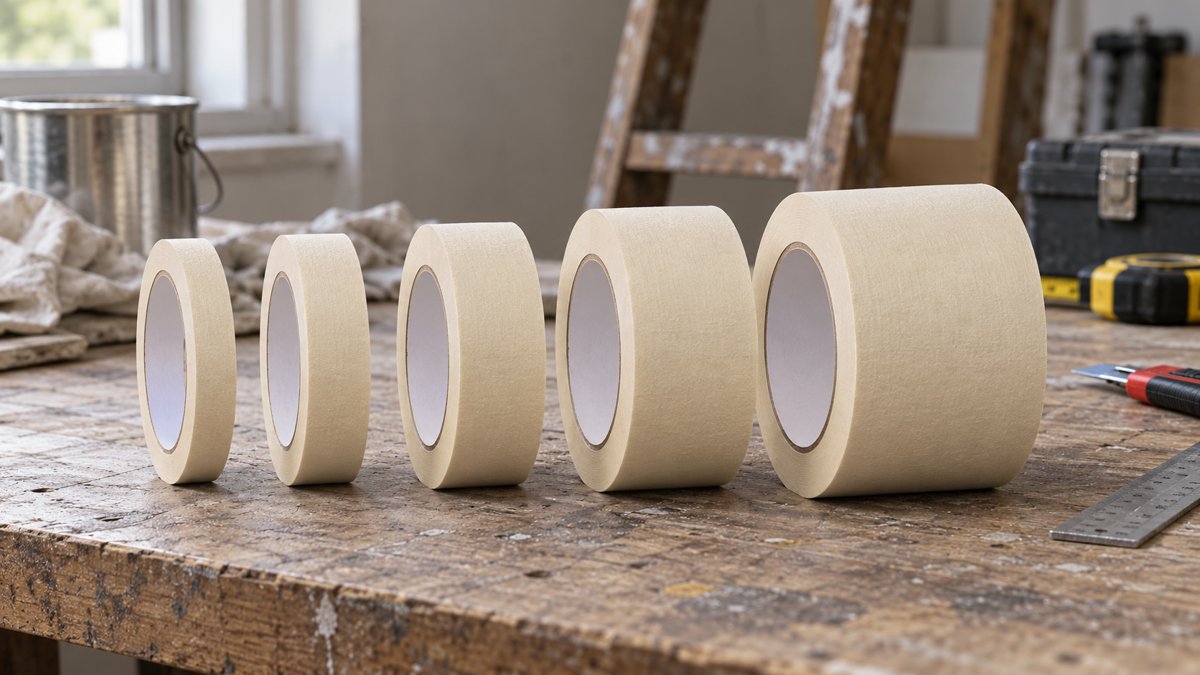
New guide
Tape width depends on the area and application. Narrower tape can be easier to manoeuvre in tight areas, while wider tape covers more surface. Confirm avai
Read guide →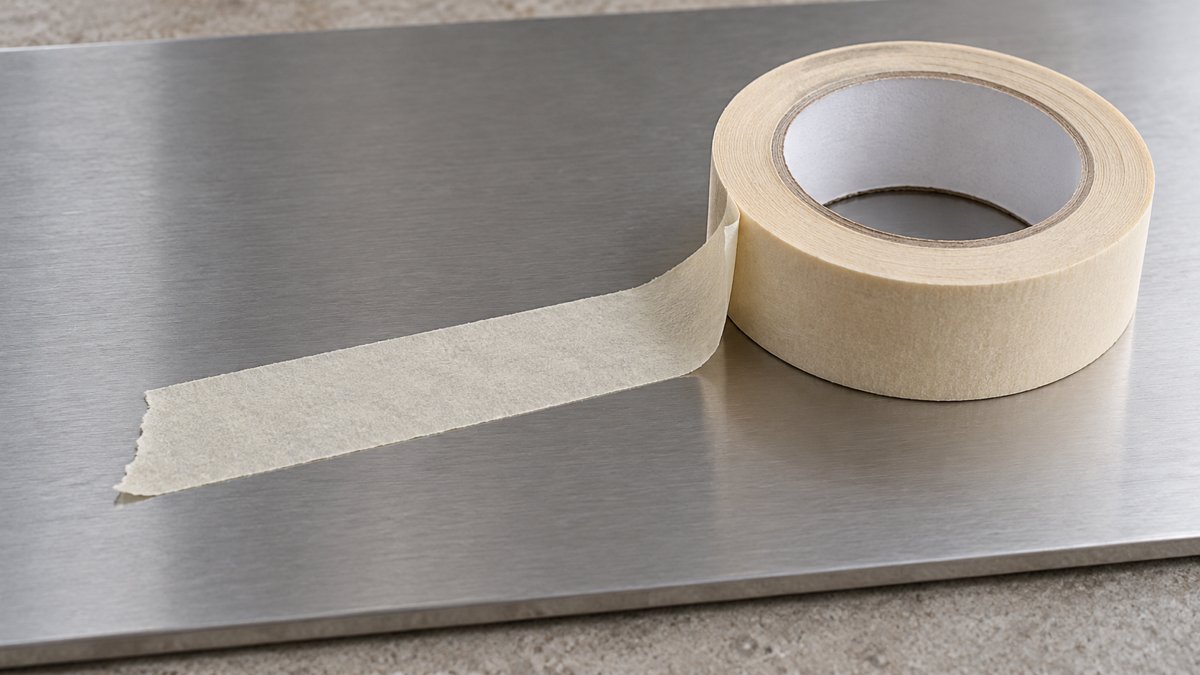
New guide
Crepe paper is used as the backing in many masking tapes. The backing contributes to application and removal, while specific performance depends on paper c
Read guide →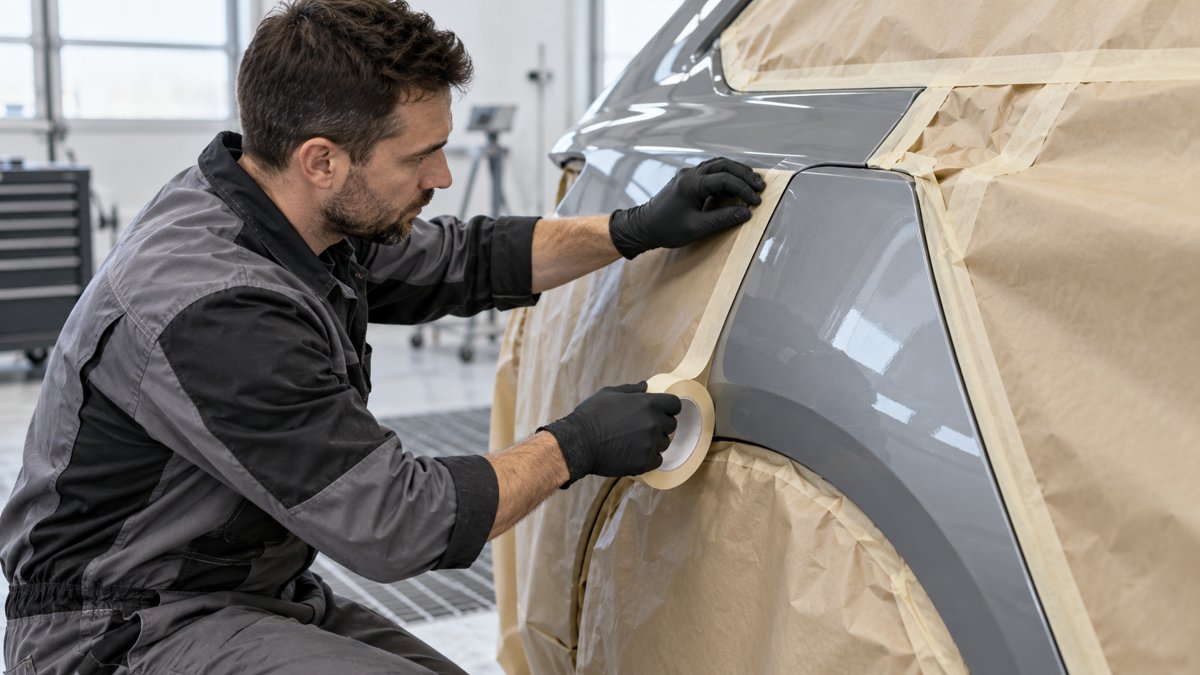
New guide
Automotive masking helps protect adjacent areas and define paint boundaries. Metal, glass, plastic and existing coatings are different surfaces and compati
Read guide →
New guide
At wall-to-baseboard joints, masking tape can protect the area that should remain unpainted. Old paint, fresh paint and delicate finishes differ in strengt
Read guide →
New guide
Paint bleed may result from surface texture, incomplete edge contact, contamination or painting conditions. Observe each application step separately to ide
Read guide →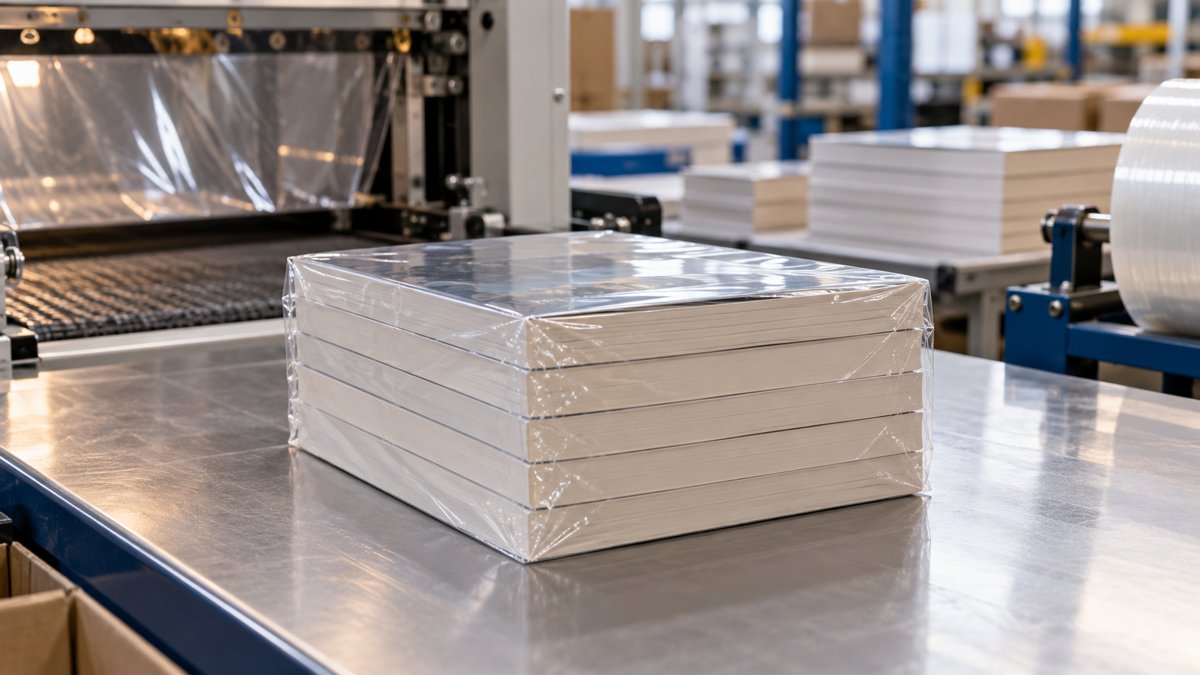
New guide
Standard POF film can be considered for keeping individual books or uniform book sets together before display and distribution. Appearance matters, but so
Read guide →
New guide
Antifog POF is designed to help reduce the effect of water droplets on product visibility as humidity and temperature change. Results depend on the formula
Read guide →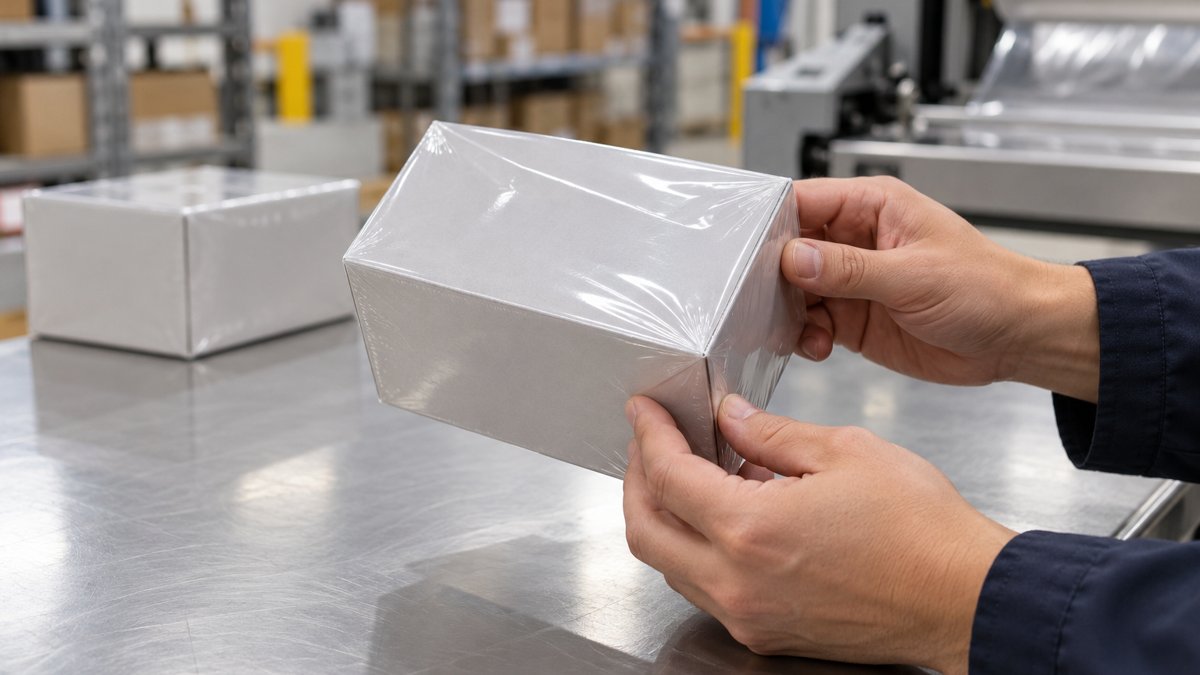
New guide
Angular cartons and irregular items can create local stress in shrink film. Evaluate the actual technical data and pack behaviour rather than relying only
Read guide →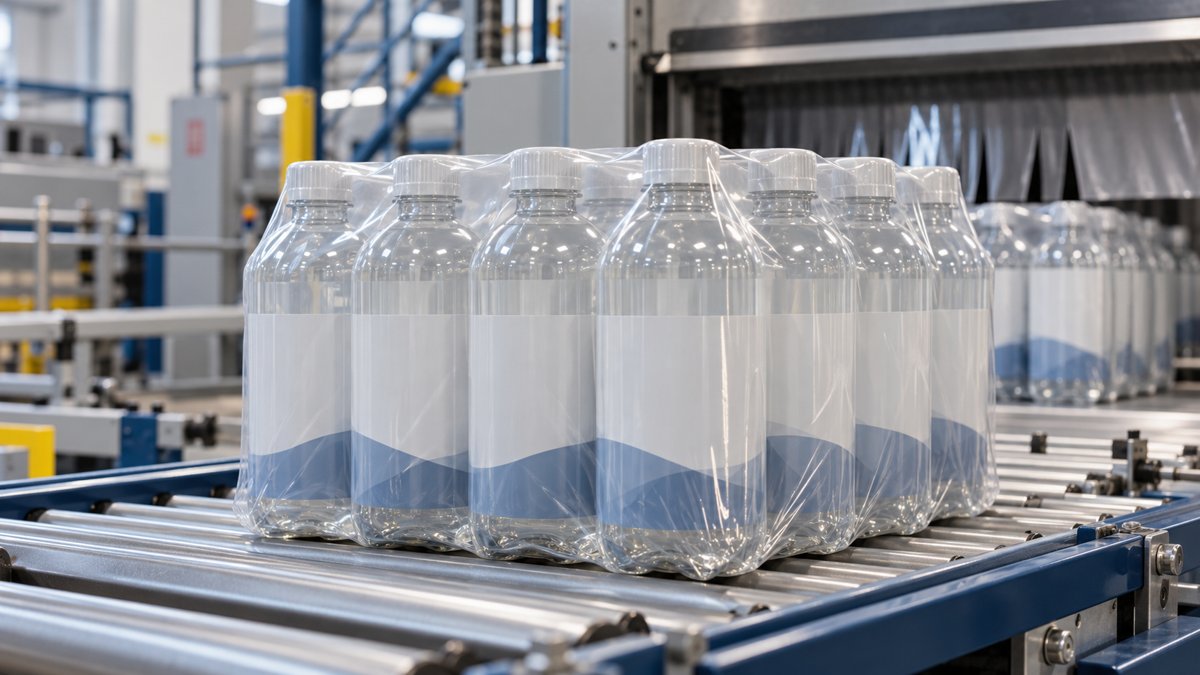
New guide
Clear POF film may be useful when the product and label need to remain visible. Wrinkles, dust, seal placement and surface cleanliness affect appearance as
Read guide →
New guide
Packaging heat-sensitive items cannot be planned from tunnel temperature alone. Exposure time, airflow, pack shape and film shrink behaviour must be assess
Read guide →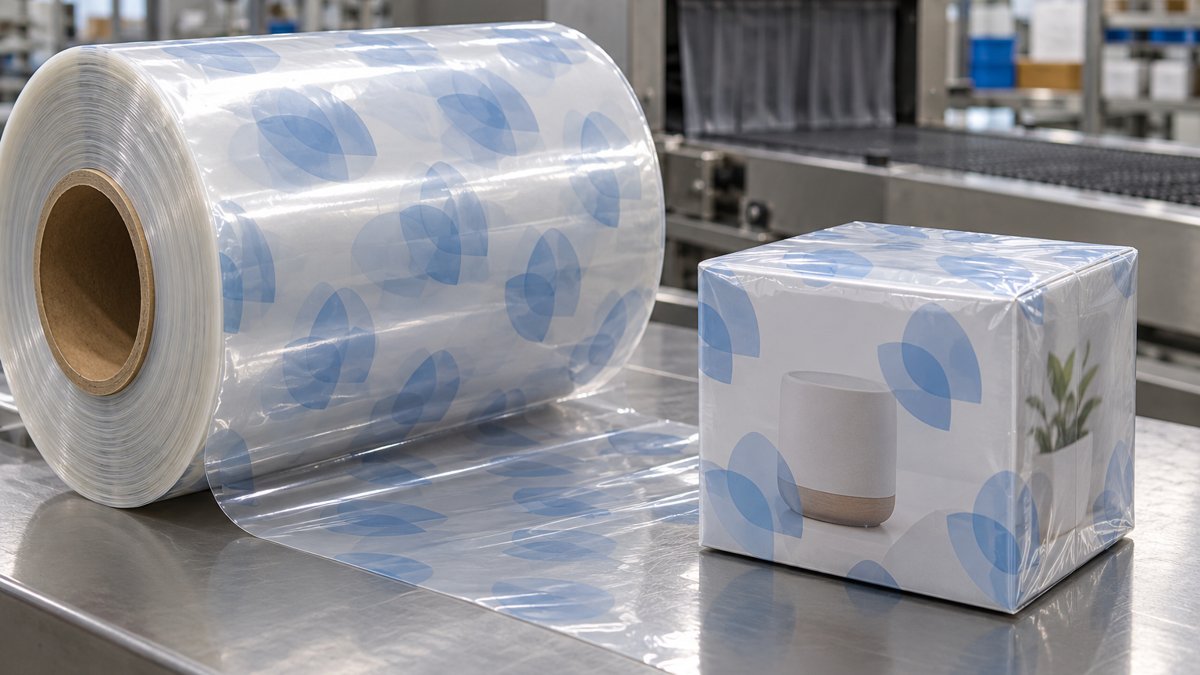
New guide
For printable POF film, design planning must account for where graphics land after shrink and whether they overlap a seal. Compatibility should be confirme
Read guide →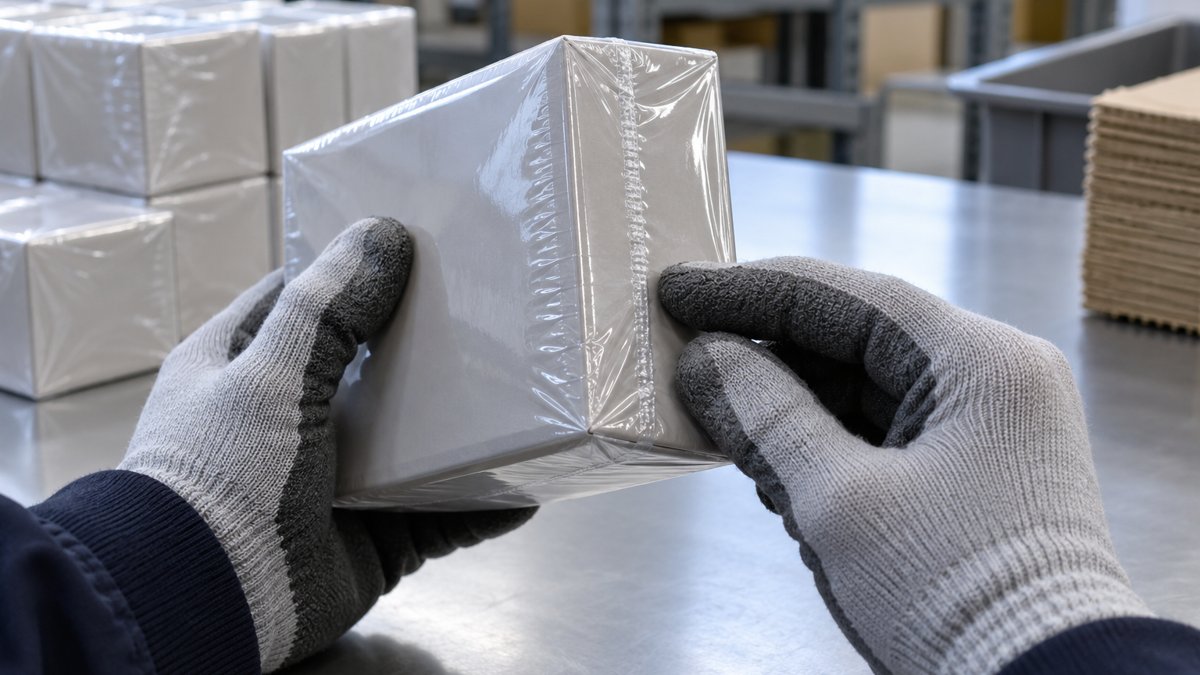
New guide
Open or uneven seals and scorched film can increase packaging waste. Causes may involve the film, equipment, settings or product positioning, so record eac
Read guide →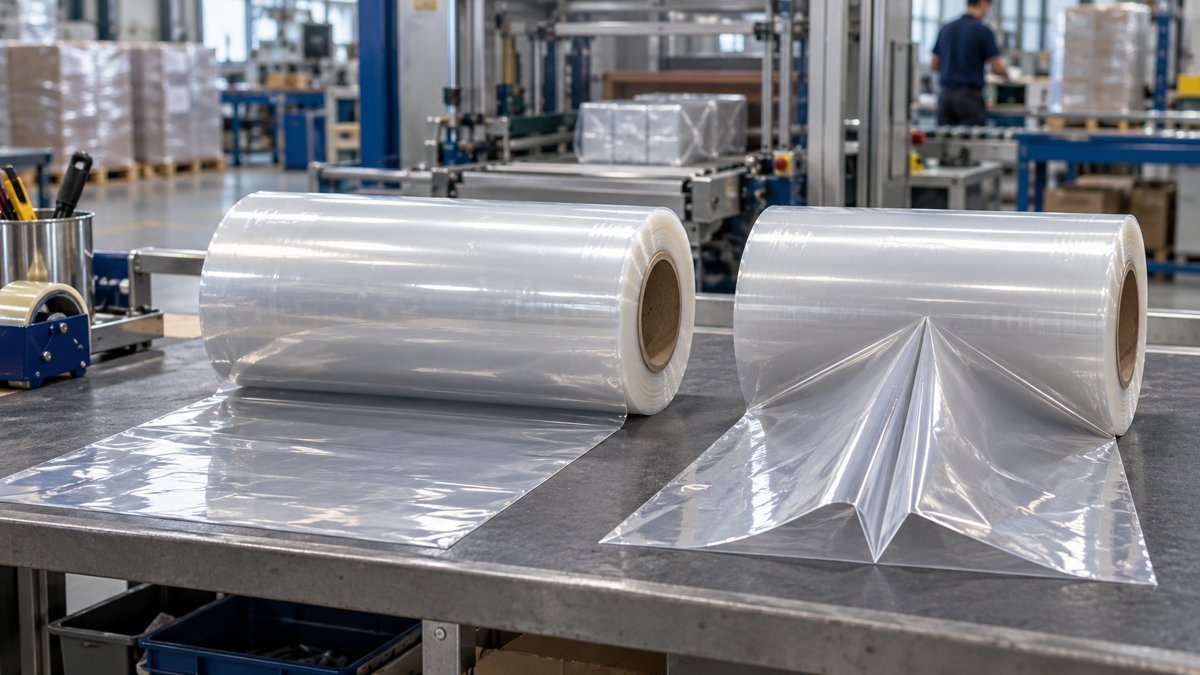
New guide
POF film may be supplied as a flat sheet or centre-folded. The choice depends on product geometry and the machine's feed arrangement; rolls are not automat
Read guide →
New guide
Suitable POF dimensions depend on product size and the machine's feeding and sealing arrangement. Thickness alone is not a complete measure of suitability;
Read guide →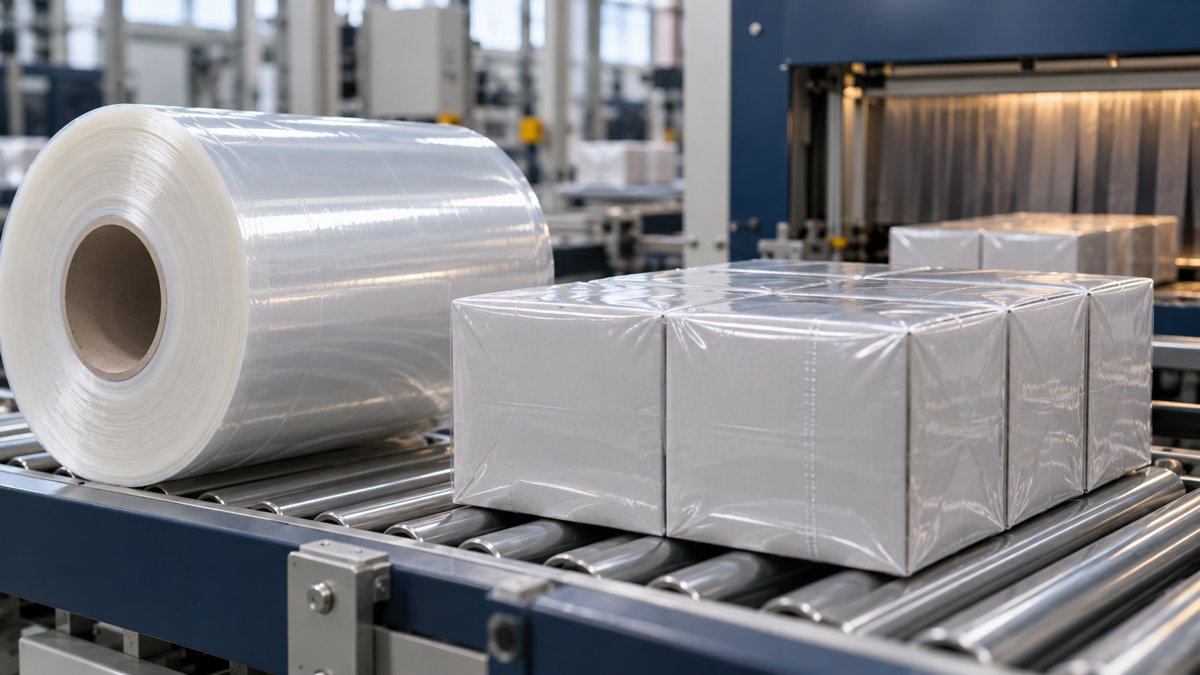
New guide
Assess polyolefin shrink film against product geometry, sealing, tunnel settings and trials on your packaging line.
Read guide →
New guide
Check material construction and local acceptance rules before recycling cartons sealed with kraft tape.
Read guide →
New guide
Evaluate carton condition and kraft tape choice for return shipments.
Read guide →
New guide
Assess moisture, dust and contact conditions before applying kraft tape to cartons.
Read guide →
New guide
Plan printed kraft tape around artwork, surface compatibility and shipping tests.
Read guide →
New guide
A practical guide to kraft tape compatibility, settings and quality checks on automatic lines.
Read guide →
New guide
Evaluate reinforcement, carton quality and testing when choosing kraft tape for heavy boxes.
Read guide →
New guide
Evaluate surface condition, tape selection and application conditions for cartons entering cold storage.
Read guide →
New guide
Choose and apply kraft tape on recycled cartons with surface preparation and shipping tests.
Read guide →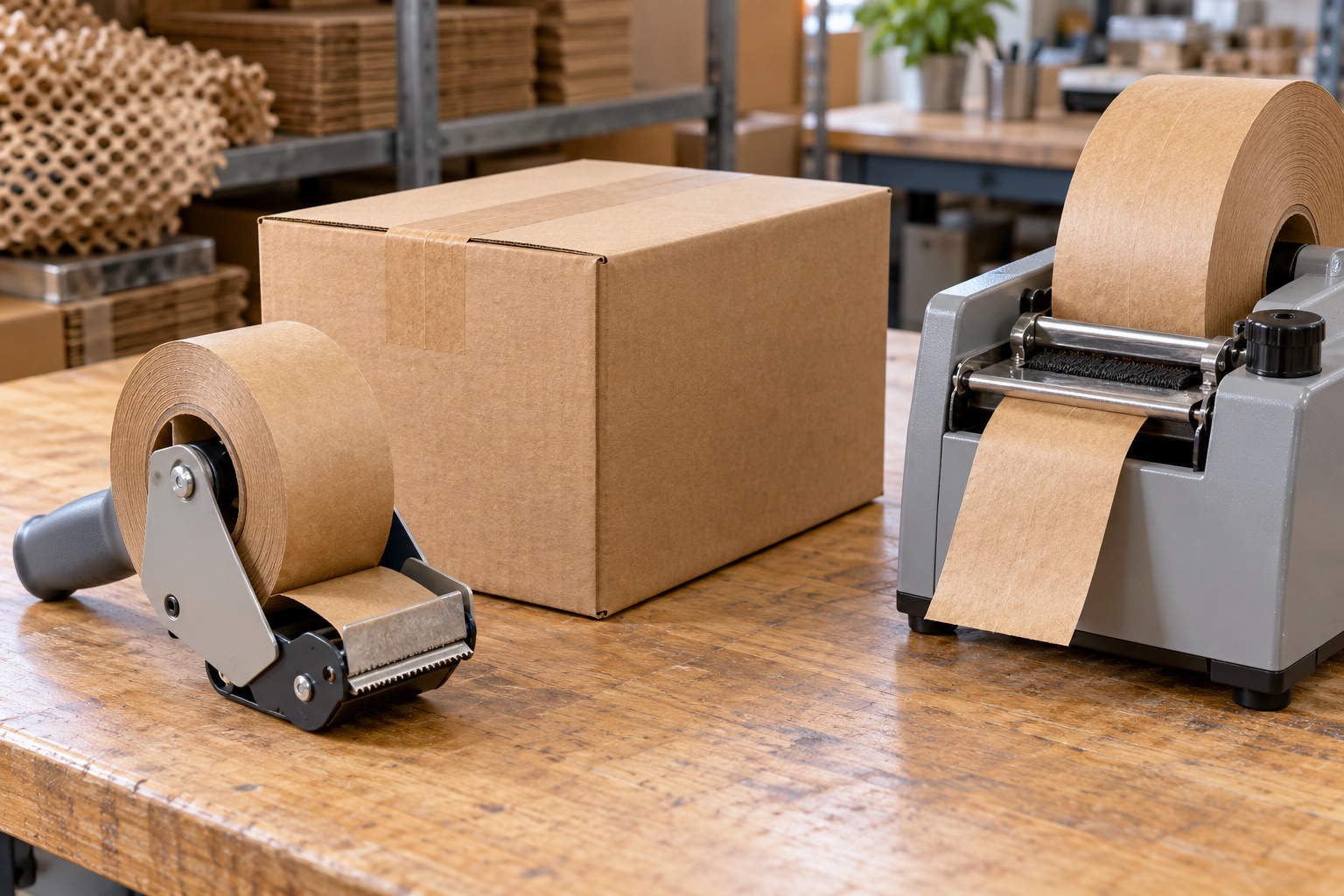
New guide
Compare kraft tape types by application, equipment, carton surface and shipping conditions.
Read guide →
New guide
Choose paper tape for your carton surface, application conditions and test process.
Read guide →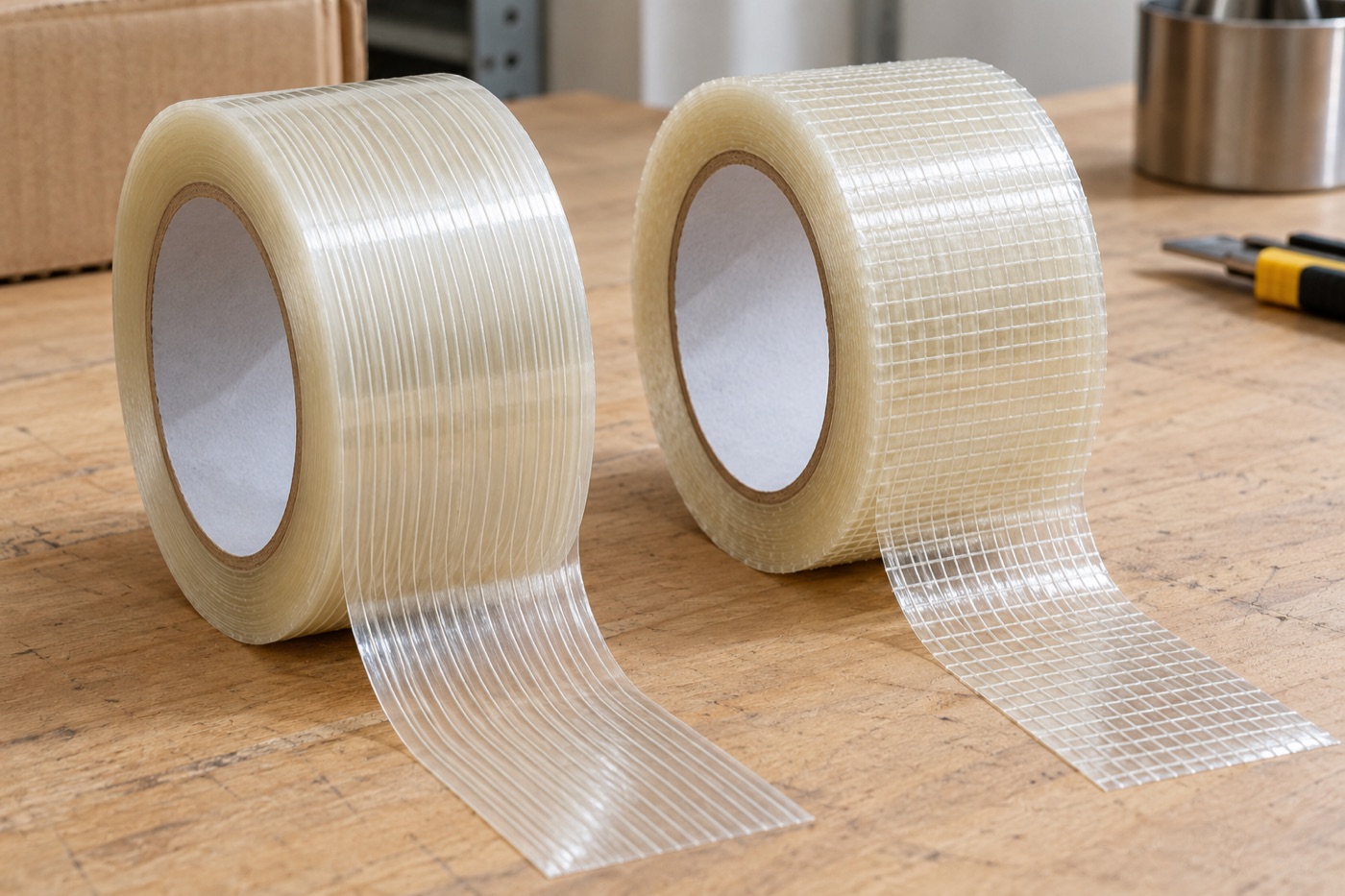
New guide
Compare fibre directions, load requirements and practical selection criteria.
Read guide →
6 min read · Technical guide
Packaging, pallet stability and shipment guidance for international buyers.
Read guide →6 min read · Technical guide
Packaging, pallet stability and shipment guidance for international buyers.
Read guide →6 min read · Technical guide
Packaging, pallet stability and shipment guidance for international buyers.
Read guide →6 min read · Technical guide
Packaging, pallet stability and shipment guidance for international buyers.
Read guide →6 min read · Technical guide
Packaging, pallet stability and shipment guidance for international buyers.
Read guide →6 min read · Technical guide
Packaging, pallet stability and shipment guidance for international buyers.
Read guide →6 min read · Technical guide
Packaging, pallet stability and shipment guidance for international buyers.
Read guide →6 min read · Technical guide
Packaging, pallet stability and shipment guidance for international buyers.
Read guide →6 min read · Technical guide
Packaging, pallet stability and shipment guidance for international buyers.
Read guide →6 min read · Technical guide
Packaging, pallet stability and shipment guidance for international buyers.
Read guide →6 min read · Technical guide
Packaging, pallet stability and shipment guidance for international buyers.
Read guide →6 min read · Technical guide
Packaging, pallet stability and shipment guidance for international buyers.
Read guide →6 min read · Technical guide
Packaging, pallet stability and shipment guidance for international buyers.
Read guide →6 min read · Technical guide
Packaging, pallet stability and shipment guidance for international buyers.
Read guide →6 min read · Technical guide
Packaging, pallet stability and shipment guidance for international buyers.
Read guide →6 min read · Technical guide
Packaging, pallet stability and shipment guidance for international buyers.
Read guide →6 min read · Technical guide
Packaging, pallet stability and shipment guidance for international buyers.
Read guide →6 min read · Technical guide
Packaging, pallet stability and shipment guidance for international buyers.
Read guide →6 min read · Technical guide
Packaging, pallet stability and shipment guidance for international buyers.
Read guide →6 min read · Technical guide
Packaging, pallet stability and shipment guidance for international buyers.
Read guide →6 min read · Technical guide
Packaging, pallet stability and shipment guidance for international buyers.
Read guide →6 min read · Technical guide
Packaging, pallet stability and shipment guidance for international buyers.
Read guide →6 min read · Technical guide
Packaging, pallet stability and shipment guidance for international buyers.
Read guide →6 min read · Technical guide
Packaging, pallet stability and shipment guidance for international buyers.
Read guide →6 min read · Technical guide
Packaging, pallet stability and shipment guidance for international buyers.
Read guide →6 min read · Technical guide
Packaging, pallet stability and shipment guidance for international buyers.
Read guide →6 min read · Technical guide
Packaging, pallet stability and shipment guidance for international buyers.
Read guide →6 min read · Technical guide
Packaging, pallet stability and shipment guidance for international buyers.
Read guide →6 min read · Technical guide
Packaging, pallet stability and shipment guidance for international buyers.
Read guide →6 min read · Technical guide
Packaging, pallet stability and shipment guidance for international buyers.
Read guide →6 min read · Technical guide
Packaging, pallet stability and shipment guidance for international buyers.
Read guide →6 min read · Technical guide
Packaging, pallet stability and shipment guidance for international buyers.
Read guide →6 min read · Technical guide
Packaging, pallet stability and shipment guidance for international buyers.
Read guide →6 min read · Technical guide
Packaging, pallet stability and shipment guidance for international buyers.
Read guide →6 min read · Technical guide
Packaging, pallet stability and shipment guidance for international buyers.
Read guide →6 min read · Technical guide
Packaging, pallet stability and shipment guidance for international buyers.
Read guide →6 min read · Technical guide
Packaging, pallet stability and shipment guidance for international buyers.
Read guide →6 min read · Technical guide
Packaging, pallet stability and shipment guidance for international buyers.
Read guide →6 min read · Technical guide
Packaging, pallet stability and shipment guidance for international buyers.
Read guide →6 min read · Technical guide
Packaging, pallet stability and shipment guidance for international buyers.
Read guide →6 min read · Technical guide
Packaging, pallet stability and shipment guidance for international buyers.
Read guide →6 min read · Technical guide
Packaging, pallet stability and shipment guidance for international buyers.
Read guide →6 min read · Technical guide
Packaging, pallet stability and shipment guidance for international buyers.
Read guide →6 min read · Technical guide
Packaging, pallet stability and shipment guidance for international buyers.
Read guide →6 min read · Technical guide
Packaging, pallet stability and shipment guidance for international buyers.
Read guide →6 min read · Technical guide
Packaging, pallet stability and shipment guidance for international buyers.
Read guide →6 min read · Technical guide
Packaging, pallet stability and shipment guidance for international buyers.
Read guide →6 min read · Technical guide
Packaging, pallet stability and shipment guidance for international buyers.
Read guide →6 min read · Technical guide
Packaging, pallet stability and shipment guidance for international buyers.
Read guide →6 min read · Technical guide
Packaging, pallet stability and shipment guidance for international buyers.
Read guide →6 min read · Technical guide
Packaging, pallet stability and shipment guidance for international buyers.
Read guide →6 min read · Technical guide
Packaging, pallet stability and shipment guidance for international buyers.
Read guide →6 min read · Technical guide
Packaging, pallet stability and shipment guidance for international buyers.
Read guide →6 min read · Technical guide
Packaging, pallet stability and shipment guidance for international buyers.
Read guide →6 min read · Technical guide
Packaging, pallet stability and shipment guidance for international buyers.
Read guide →6 min read · Technical guide
Packaging, pallet stability and shipment guidance for international buyers.
Read guide →6 min read · Technical guide
Packaging, pallet stability and shipment guidance for international buyers.
Read guide →6 min read · Technical guide
Packaging, pallet stability and shipment guidance for international buyers.
Read guide →6 min read · Technical guide
Packaging, pallet stability and shipment guidance for international buyers.
Read guide →6 min read · Technical guide
Packaging, pallet stability and shipment guidance for international buyers.
Read guide →6 min read · Technical guide
Packaging, pallet stability and shipment guidance for international buyers.
Read guide →