
Sack seams, liners and handling weight require controls suited to the feed or fertiliser. Moisture, spillage and cross-contamination should be considered, especially during storage and open loading.
Identify the product-specific risk
Keep product labels and supplier storage instructions intact. Place sacks on a dry, sound base and do not ship damaged packs. Separate products and lots clearly; inspect the closure and seam.
Match inner protection, closure and pallet pattern
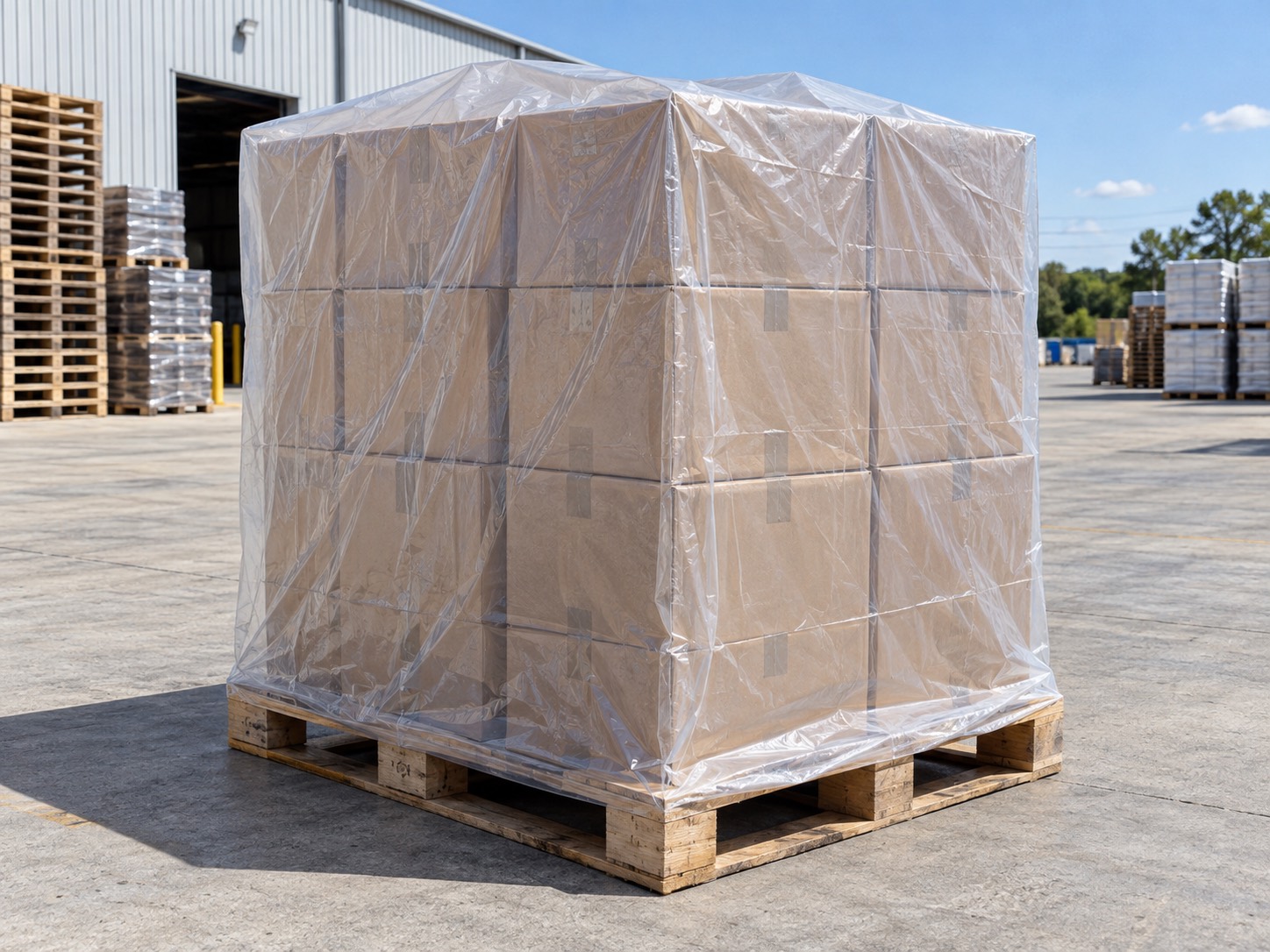
Build stable pallet layers without sack overhang. An outer cover may reduce exposure to rain or dust; check for condensation beneath it and preserve any required ventilation.
What to check in a shipment trial
Before loading, verify sack count, lot labels, seams and pallet balance. Isolate wet or spilled material and follow the site quality procedure.
- Record product and carton dimensions, weight and lot details.
- Check carton closure, pallet arrangement and label access on a sample load.
- Compare damage and material use after shipment using the same criteria.
This is general packaging guidance. Confirm product-specific limits in current supplier documentation.
Review the pack for Fertiliser and Feed Packaging Guide
For “Fertiliser and Feed Packaging Guide,” share the product and carton dimensions, application method and transport route so the packaging steps can be reviewed against the actual workflow.
Frequently asked questions
Can feed and fertiliser share a pallet?
Only when product compatibility, contamination prevention and site procedures explicitly allow it.
Which checks matter most before approving the pack?
For fertiliser and feed packaging guide, record the chosen materials, pack dimensions, route and handling conditions. Inspect the package at dispatch and receipt, then compare the results with the agreed acceptance criteria.