
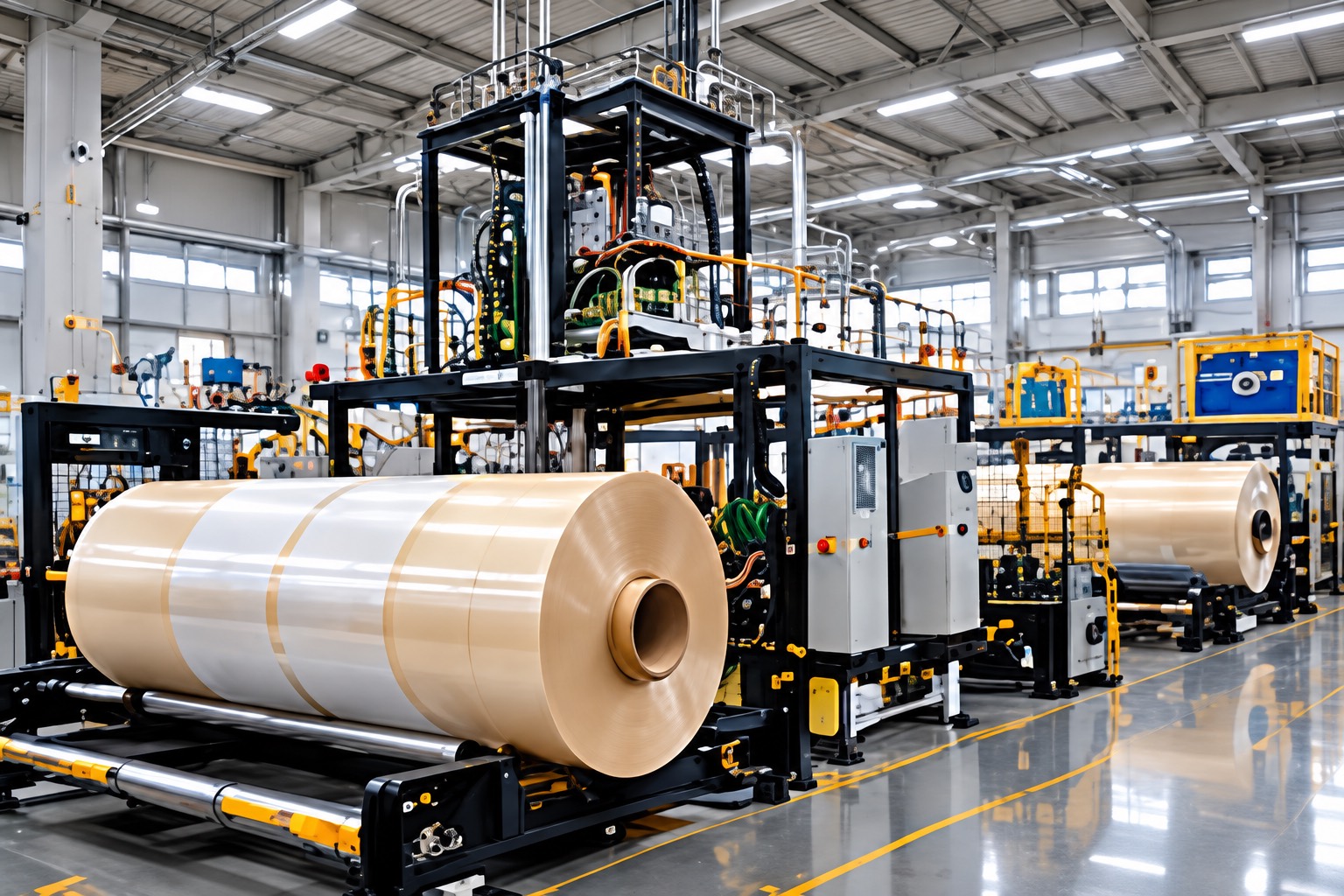
Paper can absorb moisture, suffer crushed edges or develop scuff marks on printed surfaces. Rolls and flat sheets need different support, so define the pack format first.
Identify the product-specific risk
Use flat support and corner protection for sheets, and end supports that prevent roll crushing. Keep outer packaging clean and dry. Tape should close the pack seam without crossing the printed face.
Match inner protection, closure and pallet pattern
Balance the pallet and use a suitable base against floor moisture. When selecting a weather cover, assess condensation risk inside the covered load as well.
What to check in a shipment trial
At receipt, inspect paper moisture, roll ends, sheet corners and print surfaces. Record the route, pack type and pallet layer count.
- Record product and carton dimensions, weight and lot details.
- Check carton closure, pallet arrangement and label access on a sample load.
- Compare damage and material use after shipment using the same criteria.
This is general packaging guidance. Confirm product-specific limits in current supplier documentation.
Review the pack for Paper and Printing Products: Moisture and Transport Protection
For “Paper and Printing Products: Moisture and Transport Protection,” share the product and carton dimensions, application method and transport route so the packaging steps can be reviewed against the actual workflow.
Frequently asked questions
How should printed sheets be palletised?
Use a flat support, protect edges and keep the stack within the sheet and pallet limits.
Which checks matter most before approving the pack?
For paper and print shipments, record the chosen materials, pack dimensions, route and handling conditions. Inspect the package at dispatch and receipt, then compare the results with the agreed acceptance criteria.