
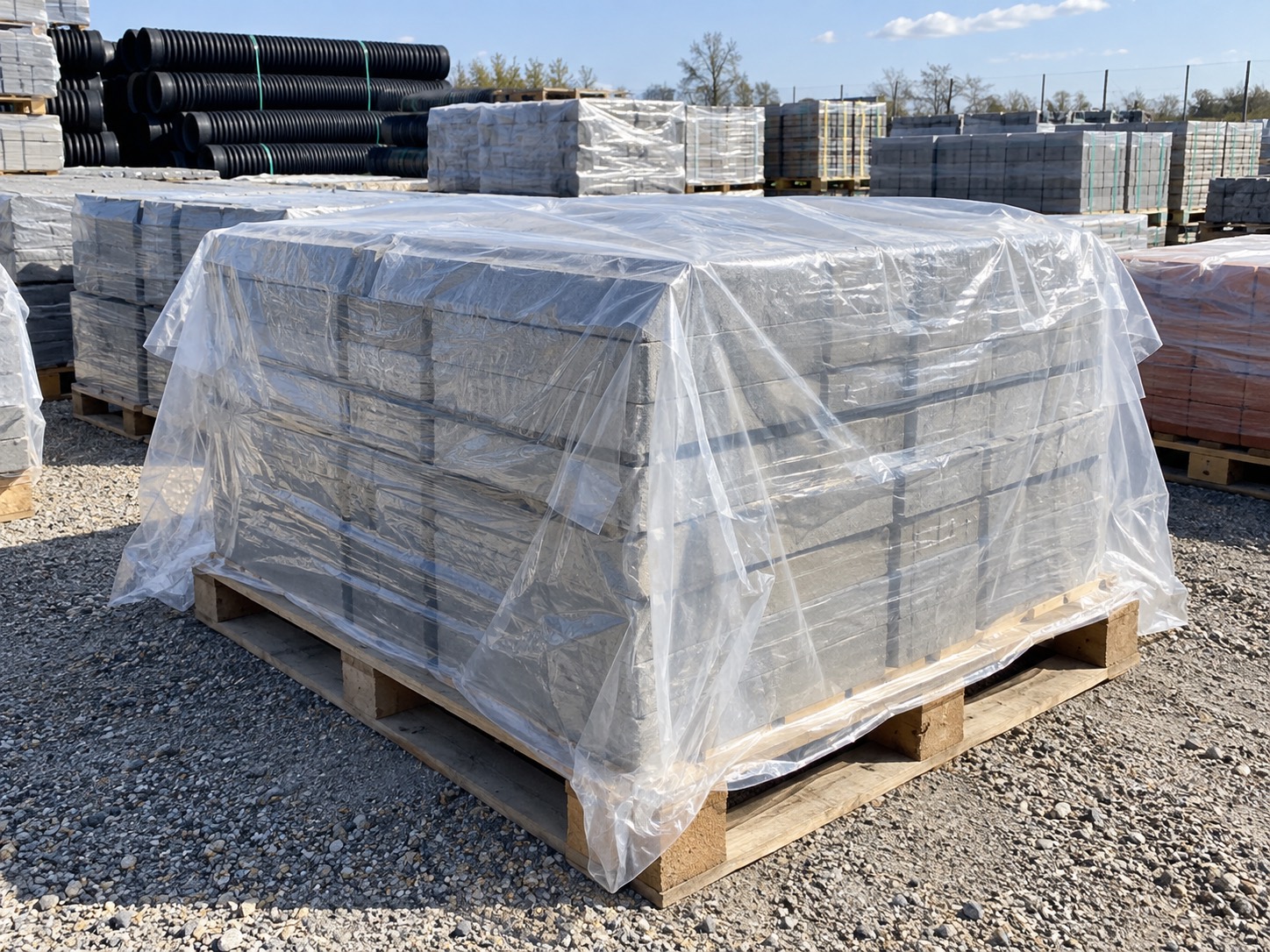
A pallet standard is more than a footprint. Define load height, rack capacity, forklift access, label position and stacking pattern together.
Identify the product-specific risk
Set approved pallet footprints and maximum heights by product family. When mixed carton sizes are necessary, balance weight and base contact; position barcodes outward for scanning.
Match inner protection, closure and pallet pattern
Trial the wrap pattern for the product and distribution channel. Stretch film must not cover labels or forklift openings, or conceal overhang and unstable stacking.
What to check in a shipment trial
Sample outbound loads for overhang, scan access, load lean and damage. Review the standard when rack or vehicle limits change.
- Record product and carton dimensions, weight and lot details.
- Check carton closure, pallet arrangement and label access on a sample load.
- Compare damage and material use after shipment using the same criteria.
This is general packaging guidance. Confirm product-specific limits in current supplier documentation.
Review the pack for Warehouse Pallet Standardisation Guide
For “Warehouse Pallet Standardisation Guide,” share the product and carton dimensions, application method and transport route so the packaging steps can be reviewed against the actual workflow.
Frequently asked questions
What should a pallet standard include?
At minimum, define the pallet footprint, load limits, stacking rules, labels and containment method for each applicable load group.
Which checks matter most before approving the pack?
For warehouse pallet standardisation guide, record the chosen materials, pack dimensions, route and handling conditions. Inspect the package at dispatch and receipt, then compare the results with the agreed acceptance criteria.