
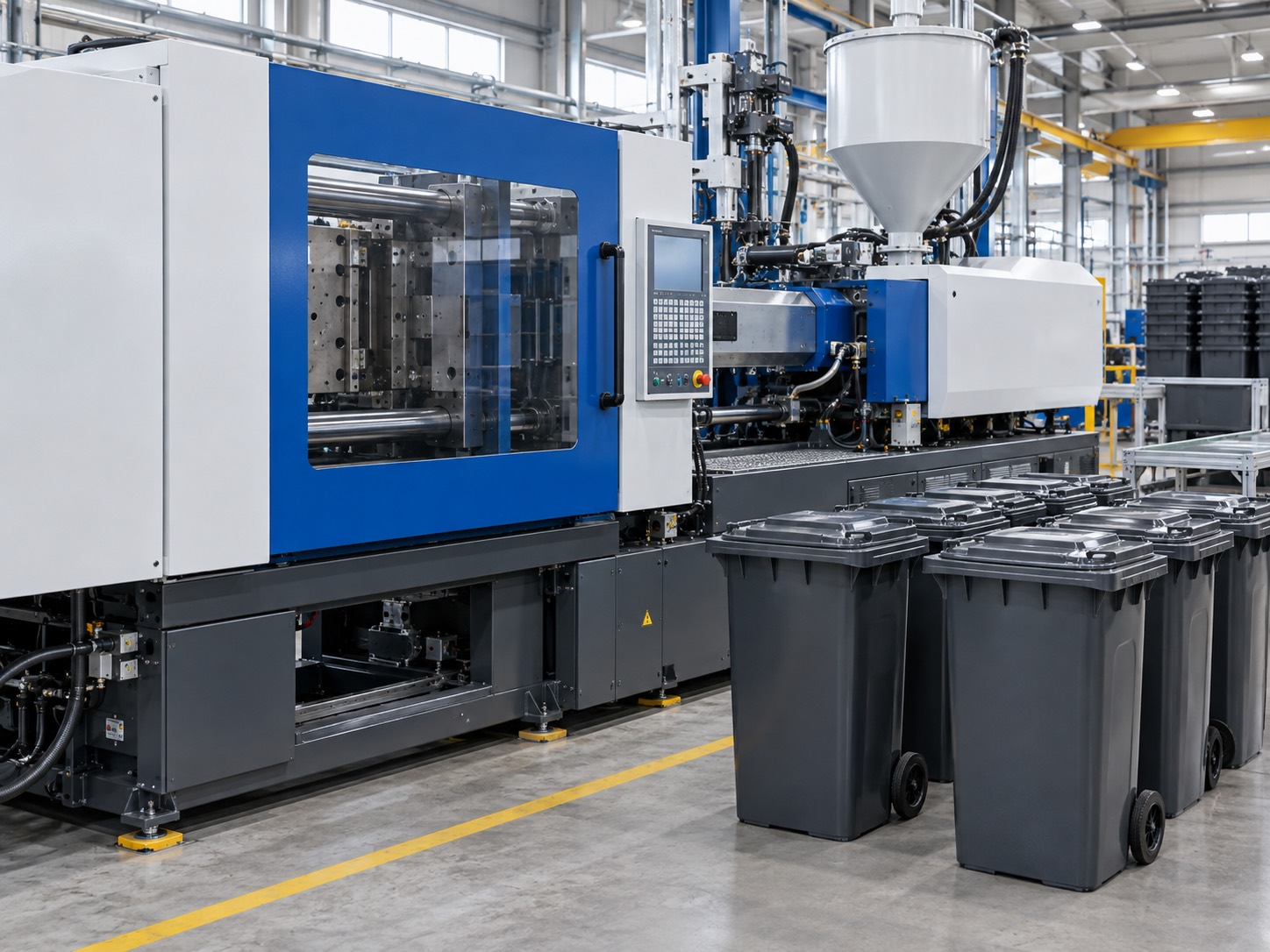
A punctured granule pack can cause product loss and spills; mixed batches can create traceability problems. Select the pack according to polymer, pellet form, filling method and handling unit.
Identify the product-specific risk
Confirm that the bag, FIBC or closed container fits the material and filling equipment using supplier documentation. Check seams, closure and lot identification. Use an outer carton only when it is needed; it does not replace the primary granule pack.
Match inner protection, closure and pallet pattern
Place bags or FIBCs on clean, sound pallets with suitable capacity. Protect the pack from sharp pallet edges and apply stretch film without crushing the bags. Keep batch labels readable after wrapping.
What to check in a shipment trial
Check for spills, open seams, moisture or foreign matter at receipt and after dispatch. Record product, lot, pack weight and pallet pattern, and keep different polymer batches separated.
- Record product and carton dimensions, weight and lot details.
- Check carton closure, pallet arrangement and label access on a sample load.
- Compare damage and material use after shipment using the same criteria.
This is general packaging guidance. Confirm product-specific limits in current supplier documentation.
Review the pack for Plastic Granule Packaging and Dispatch
For “Plastic Granule Packaging and Dispatch,” share the product and carton dimensions, application method and transport route so the packaging steps can be reviewed against the actual workflow.
Frequently asked questions
Does pallet wrap protect granules from moisture?
It may reduce incidental exposure but is not a substitute for a specified moisture barrier or dry storage.
Which checks matter most before approving the pack?
For plastic granule packaging and dispatch, record the chosen materials, pack dimensions, route and handling conditions. Inspect the package at dispatch and receipt, then compare the results with the agreed acceptance criteria.